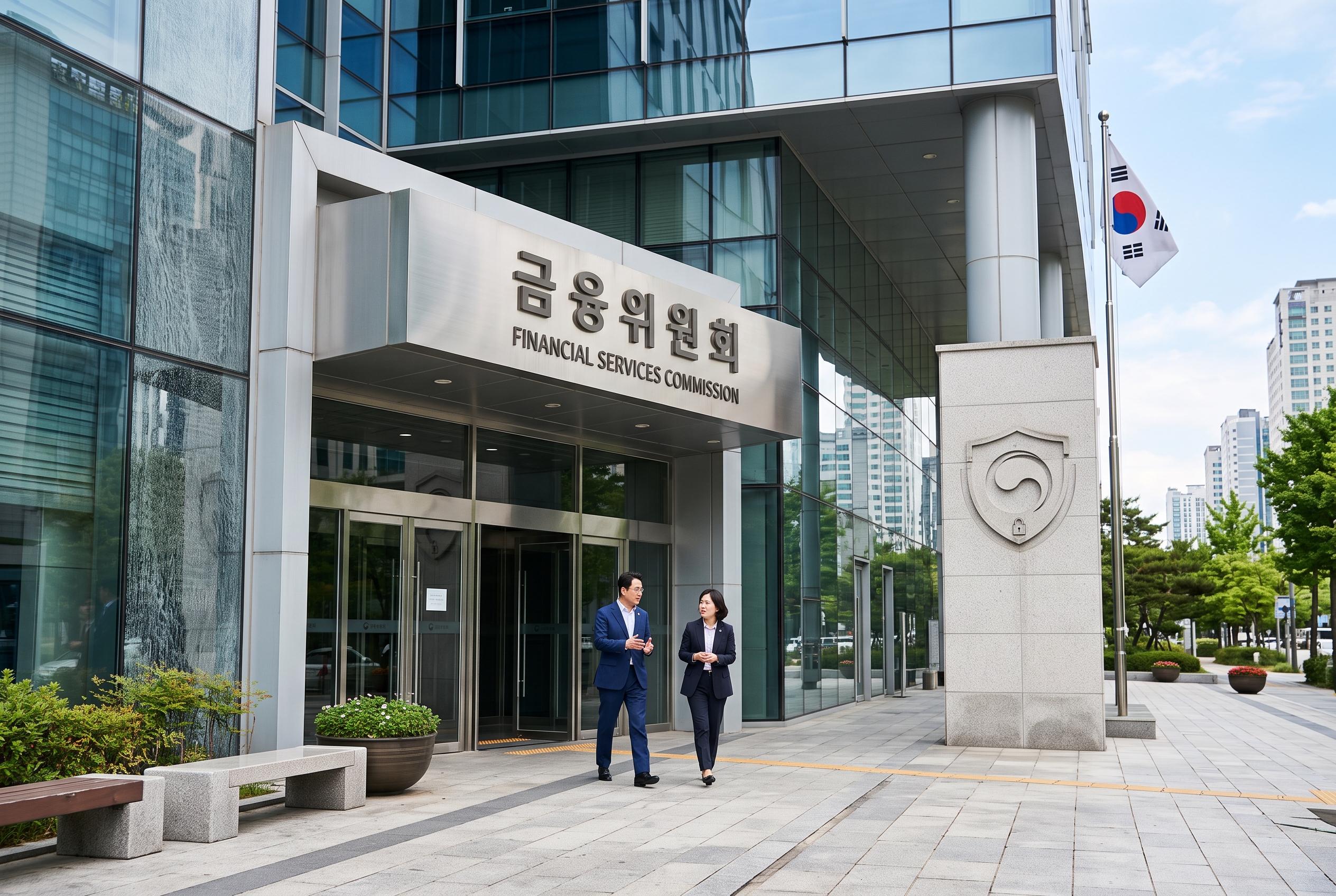

A newly implemented account-freezing system in South Korea has thwarted nearly 5,000 suspected phishing scams within just over a month, highlighting the rising sophistication of local fraud schemes such as romance scams and team mission fraud.
South Korea’s Financial Intelligence Unit has found that its new account-freezing system for suspected phishing cases has been used nearly 5,000 times in just over a month, with romance scams, fake no-show schemes and so-called team mission fraud making up most of the reports.
The FIU said on August 9 that it had held a review meeting on the operation of the scheme, which was introduced to halt the flow of money linked to scams that pose as transactions for goods or services. From June 30 to August 4, financial firms applied temporary measures to 4,935 accounts reported as linked to new-style phishing fraud. Romance scams accounted for 1,527 cases, or about 41%, while no-show scams came to 1,376 cases, or about 37%. Team mission fraud cases totalled 847, or about 22%.
Of those, banks and other financial institutions classified 3,750 accounts as subject to strengthened customer checks under South Korea’s anti-money laundering law and imposed temporary transaction suspensions. The FIU said it had so far reviewed 1,065 cases to determine whether suspension should be maintained and notified financial firms accordingly.
The measure was created to respond to scams that were not always treated as traditional voice phishing but still relied on deception to move money quickly. Once a victim reports a case and police confirm the account is suspected of being used in this way, the financial institution can freeze it immediately and report to the FIU. The unit then has seven business days to decide, using information on transactions between the victim and the account holder, whether the suspension should remain in place.
The agency said one of the most common patterns now involves fraudsters impersonating local government staff, prison officers or school employees to pressure small business owners into buying goods on their behalf. In one case, a scammer posing as a city hall official persuaded a victim to buy walkie-talkies at wholesale price, promising to pay the difference between that amount and the public procurement price, before directing the money to a fake company account.
The FIU warned that public bodies do not ask private firms to buy specified goods on their behalf and told people to verify any such request through the institution’s official telephone number. It also said it plans to reinforce staffing, speed up reviews of suspected accounts and fold questions raised by the financial sector into operational guidance. A legal amendment is also being pursued to give the scheme a clearer statutory basis.
Disclaimer: This article is intended to inform and educate, not to recommend or endorse any financial product, investment or strategy. Please consider your own financial circumstances and seek professional advice where appropriate before making financial decisions.