
South Korea’s Financial Supervisory Service warns of a new voice phishing tactic where criminals launder stolen money via supermarket gift cards, targeting vulnerable individuals with sophisticated deception methods and increasing regulatory measures.
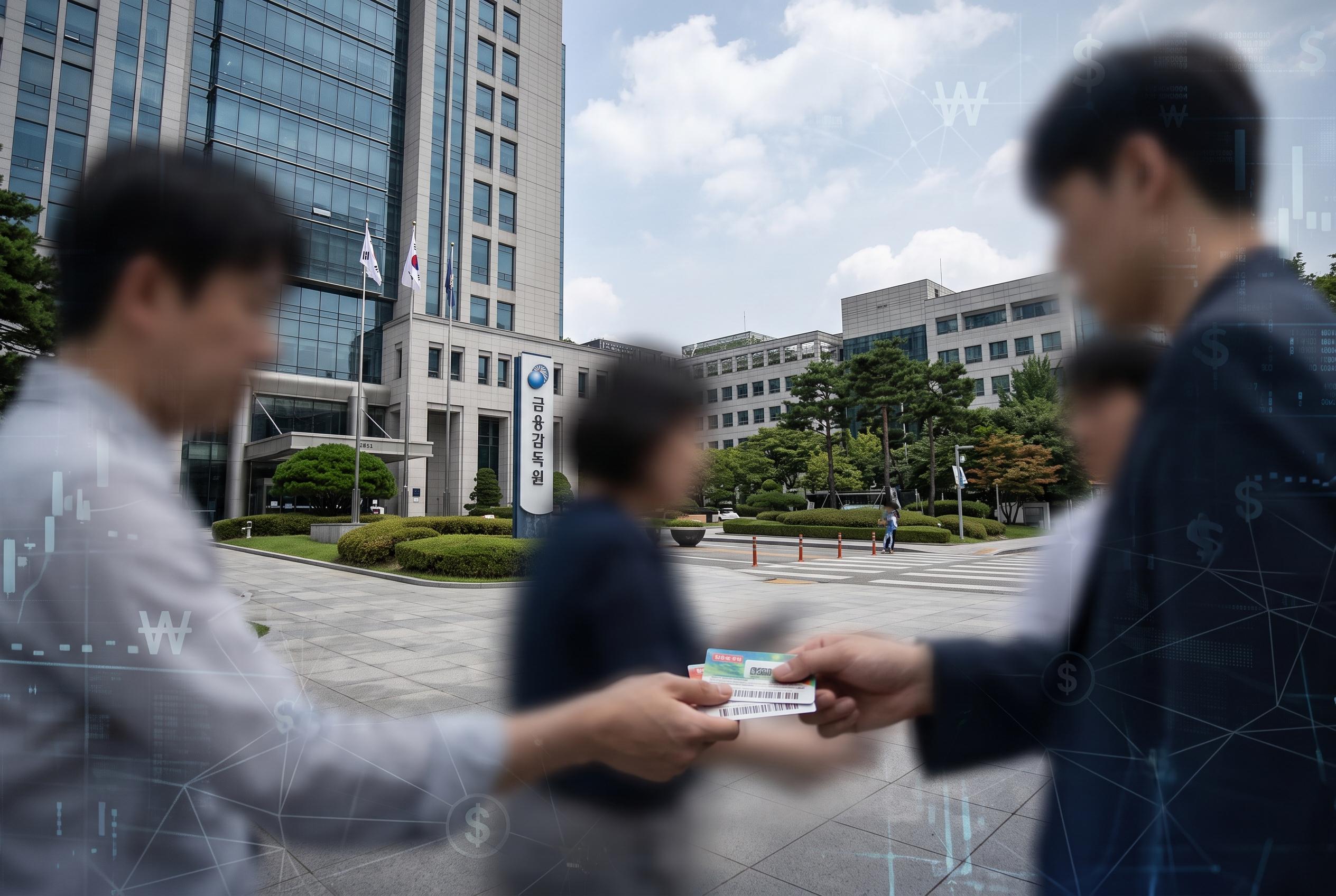
South Korea’s Financial Supervisory Service has issued a consumer warning over a new strain of voice phishing in which criminal groups launder stolen money by converting it into supermarket gift cards. The watchdog said the tactic is spreading fast enough to merit a formal alert and warned that a claim such as “buy gift cards and you can qualify for a loan” is a scam, not a financial service. According to the agency, the fraudsters are now targeting people with poor credit by posing as employees of savings banks or other lenders and promising easier borrowing in exchange for handing over bank cards and account books.
The scheme works in stages. Victims are told they must first repay an existing loan or build a “purchase record” for gift cards, then are persuaded to transfer money into accounts controlled by the criminals. The funds are immediately used at self-service kiosks in large supermarkets to buy gift cards in bulk, which are then moved through couriers, exchanged into cryptocurrency and passed on to ringleaders overseas. This use of gift cards fits a wider pattern seen in consumer warnings from authorities in the United States, where state agencies and the Federal Trade Commission have repeatedly said legitimate businesses and government bodies do not ask for payment in gift cards because the method is hard to trace.
The South Korean regulator also cautioned that anyone who hands over a debit card or bank account is not necessarily just a victim. Under the country’s electronic financial laws, transferring or lending access devices to another person can lead to prison time or fines, and knowingly providing them for fraud can also expose a person to accomplice liability. The agency said another red flag is any request to send money to a personal account to clear an old loan, because a genuine refinancing deal is paid directly between financial institutions rather than through an individual’s account.
The watchdog urged anyone who suspects fraud to report a lost card, seek an immediate freeze on the account and call the police. It also pointed to a set of voluntary blocking services designed to stop unauthorised loans, account openings and online banking registrations. To reduce the opportunity for abuse, the Financial Supervisory Service said it has already worked with gift card issuers and major retailers to cut the maximum amount that can be bought at an unmanned kiosk from 5 million won per transaction to 1 million won per transaction and 1 million won per day. It also said it plans to expand information sharing through an artificial intelligence-based phishing platform and intensify joint action with the banking sector.
Disclaimer: This article is intended to inform and educate, not to recommend or endorse any financial product, investment or strategy. Please consider your own financial circumstances and seek professional advice where appropriate before making financial decisions.