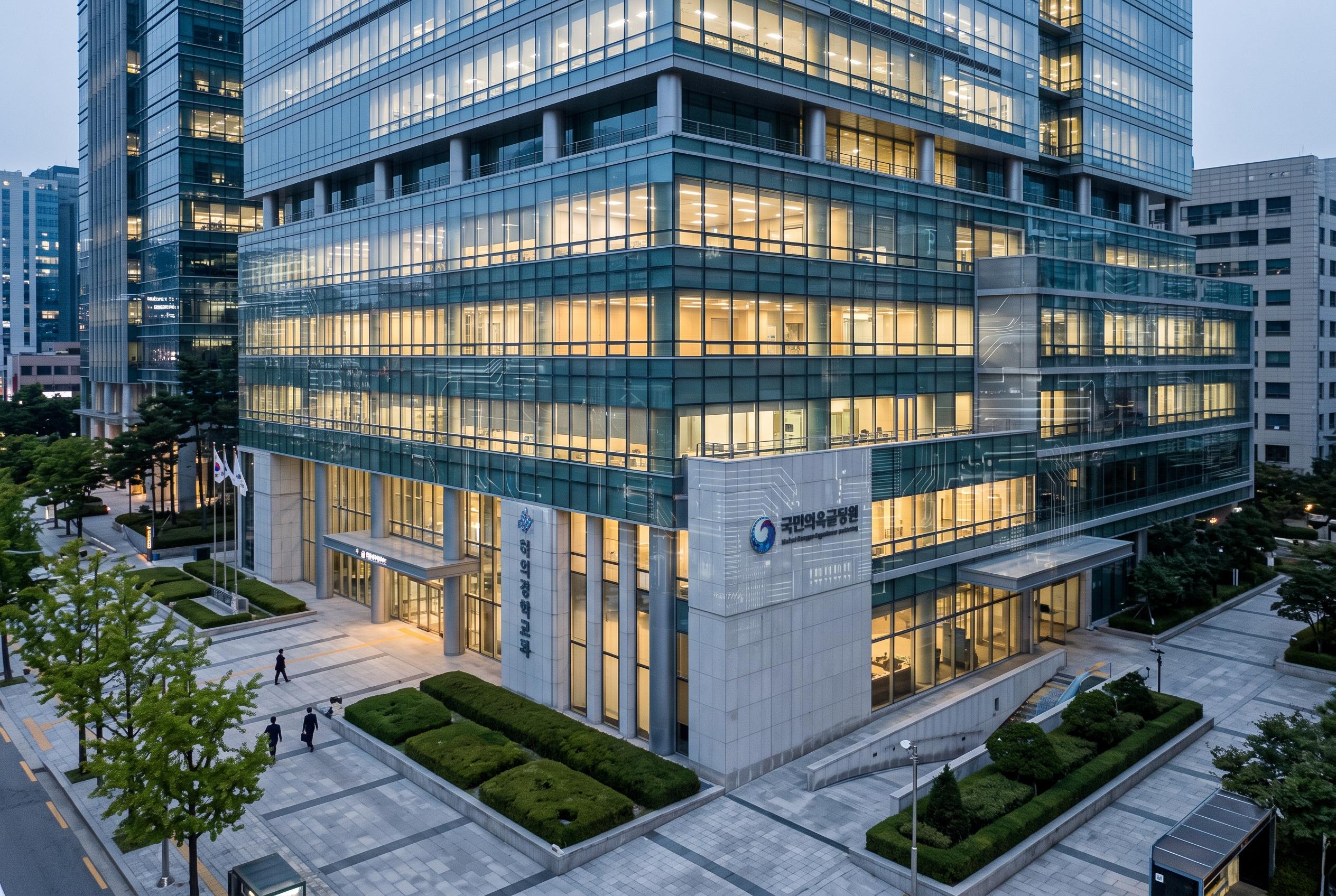

South Korea’s financial authorities are exploring ways to tighten privacy safeguards without disrupting remote banking services, amid industry concerns over the impact of banning screen scraping on customer convenience and service speed.
South Korea’s financial authorities are weighing how to tighten privacy protections without disrupting everyday banking, after lenders warned that blocking screen scraping could create widespread delays in remote services. The Financial Services Commission said it convened banks, insurers, regulators and housing institutions on August 12 to review the impact of restricting the practice, which lets firms automatically pull documents from government and court systems with a customer’s consent. Reuters has not independently verified the meeting, but the commission said the aim was to avoid gaps in financial services while responding to stricter privacy rules.
At the centre of the concern is non-face-to-face banking. Lenders now use screen scraping to verify documents such as family registers and residence certificates when processing mortgage loans, jeonse loans, minors’ account openings and inheritance checks. Industry officials warned that if the method is curtailed before alternatives are fully in place, customers may be forced to obtain and submit documents themselves, adding friction to services built around speed and convenience.
The impact could be especially sharp for internet-only banks, which depend heavily on remote processing because they have no branch network. Policy finance bodies are also exposed: the Korea Housing Finance Corporation and the Korea Housing & Urban Guarantee Corporation use scraped information to confirm eligibility conditions such as whether an applicant owns a home or qualifies as a newlywed, raising the prospect of slower approval for home purchase and rental support. The FSC said participants broadly accepted the privacy rationale for limiting scraping, but argued that any change should be phased in only after alternatives are properly established.
One option discussed was public MyData, a system under which government agencies can send administrative information directly to financial firms at the customer’s request. The Personal Information Protection Commission oversees privacy enforcement in South Korea, while the FSC is the country’s main financial regulator and the housing agencies involved play key roles in mortgage and guarantee programmes. The commission said it would continue working with related institutions to come up with a practical response that protects personal data without leaving consumers facing unnecessary inconvenience.
Disclaimer: This article is intended to inform and educate, not to recommend or endorse any financial product, investment or strategy. Please consider your own financial circumstances and seek professional advice where appropriate before making financial decisions.