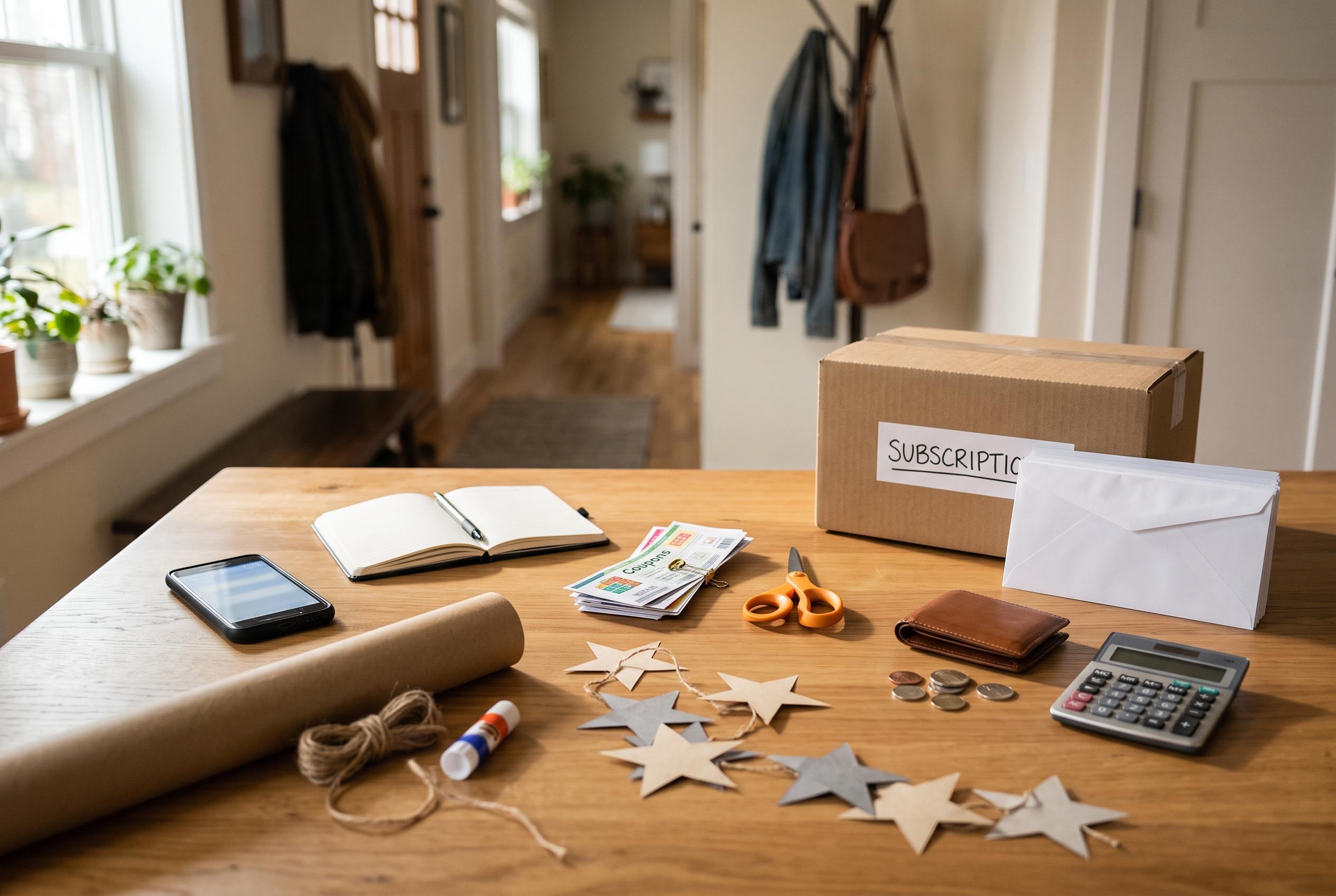

Simple, intentional changes such as cancelling unused subscriptions, DIY holiday decor, and strategic purchasing habits can help households build financial resilience without sacrificing comfort.
Saving money is rarely about draconian sacrifice. More often, it comes down to trimming the small, recurring costs that quietly erode a budget. A review of everyday spending habits can reveal money leaking through subscriptions, duplicate cover and impulse purchases, while simple guardrails such as waiting before buying and using cash envelopes can make spending more deliberate. Consumers who take stock of their accounts line by line are often surprised by how much room there is to improve. According to LegalClarity, cancellation has also become a sharper consumer issue, with the Federal Trade Commission’s “Click-to-Cancel” rule designed to make ending subscriptions as straightforward as signing up.
Holiday spending is another area where frugality can pay off quickly. DIY decorations made from paper, twine, pinecones and other household scraps can reduce costs while adding a more personal feel to a home, and several budget guides recommend using natural materials or items already on hand. Homes & Gardens says that handmade wreaths, garlands, ornaments and gift wrap can deliver a polished look without the premium price of shop-bought decor. Even outdoor lighting can be approached more strategically: a comparison by LegalClarity found that do-it-yourself, professional and permanent LED options each carry different upfront costs and long-term trade-offs, with LEDs offering efficiency benefits over time.
Everyday household spending can also be reduced through better purchasing habits. Buying in bulk can lower the unit price of pantry goods and toiletries, especially when friends or neighbours split the cost. Unused insurance, meanwhile, can be an expensive form of clutter; annual reviews of auto, life, renters and pet policies can help identify overlap or coverage that no longer fits. For people carrying high-cost debt, refinancing a student, personal or car loan can cut monthly payments, while paying credit cards in full each month avoids interest charges that can compound fast.
Some of the most effective frugal habits are also the simplest. A no-spend weekend can reset spending patterns without feeling punitive, particularly when it replaces shopping with free activities such as hiking, library visits or low-cost meals at home. A cash envelope system can help households set hard limits for categories such as groceries or dining out, making overspending harder to ignore. And once a safety buffer is built, moving cash into a high-yield savings account can help an emergency fund grow faster than it would in a basic deposit account.
Taken together, these tips point to the same principle: frugality works best when it is intentional. The goal is not to give up comfort, but to spend where it matters and cut what does not. For many households, that starts with small decisions made consistently, from cancelling unused services to choosing cheaper holiday decorations and building habits that support longer-term financial resilience.
Disclaimer: This article is intended to inform and educate, not to recommend or endorse any financial product, investment or strategy. Please consider your own financial circumstances and seek professional advice where appropriate before making financial decisions.