

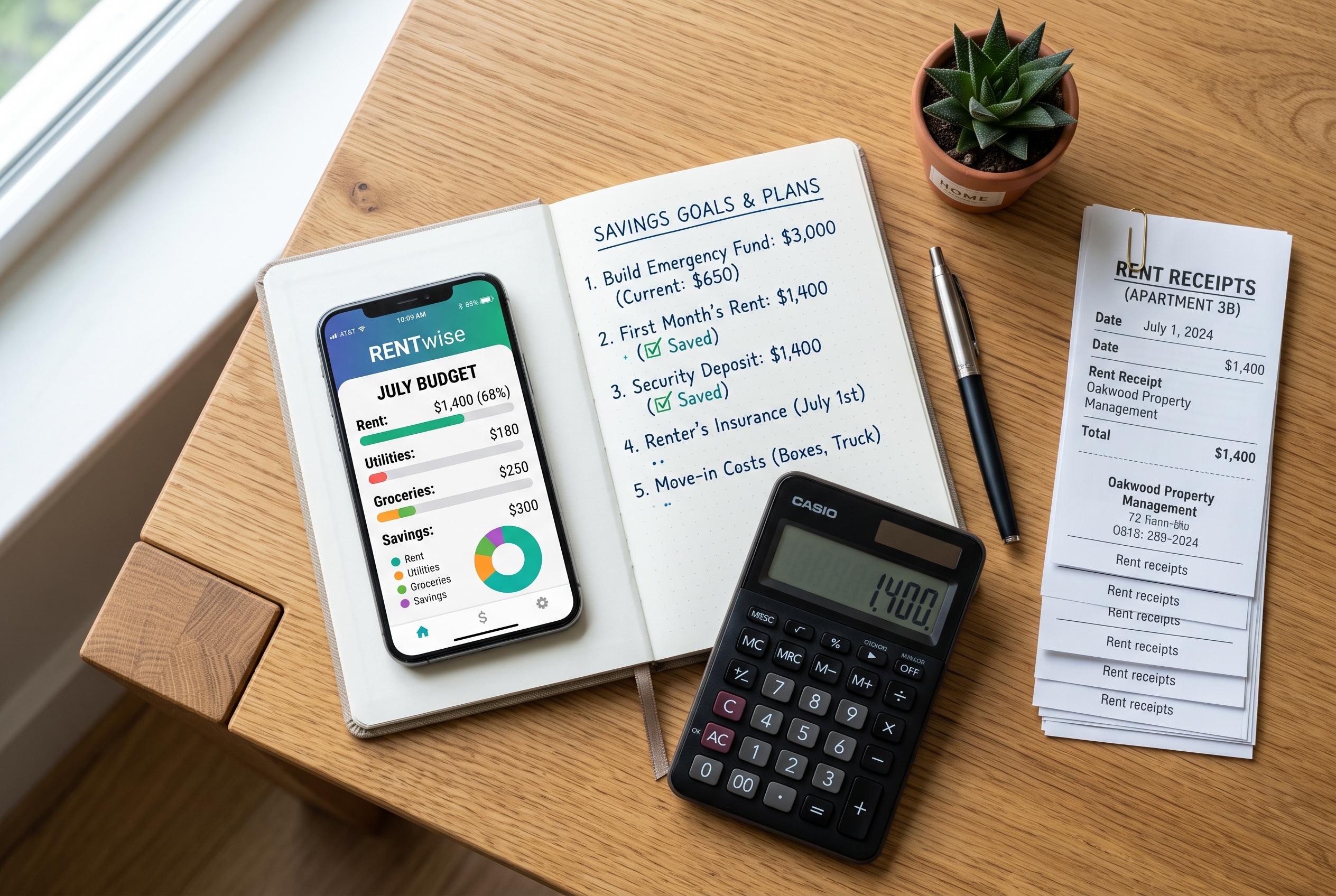

Navigating the true expenses of moving into a first apartment requires careful planning and smart saving strategies to prevent unexpected financial burdens.
Renting a first apartment can feel straightforward until the bills arrive. The upfront outlay often includes the first month’s rent and a security deposit, and some landlords may also ask for the last month’s rent, renter’s insurance and basic furnishing costs. Financial guidance from several housing and budgeting sites warns that the true price of moving in is usually much higher than the monthly rent alone, which is why setting a clear target before apartment hunting can prevent early financial strain.
A practical first step is to calculate the full amount needed for move-in and then build a savings plan around it. Automatic transfers from checking to savings can help, even if the amount is modest. Tracking everyday spending through an app or spreadsheet can also expose easy cutbacks, such as subscriptions or frequent takeout. Some guides recommend short-term side work, from freelance jobs to pet-sitting, as a way to accelerate savings without derailing a regular budget.
Once a lease is in hand, reading it carefully matters as much as finding the right address. Standard one-year leases are common, but month-to-month agreements can offer flexibility if plans are uncertain. Housing advice from Capera says renters should look closely at payment dates, late fees, repair responsibilities, pet rules and utility arrangements. It also suggests taking move-in photos to help protect against disputes over damage deposits later on.
Moving day itself can create a fresh round of expenses, so trimming costs there can make a real difference. Getting quotes from several moving companies, choosing a weekday or mid-month move and comparing insurance coverage can lower the bill if professional movers are used. A do-it-yourself move is cheaper, but it still pays to declutter first, gather free boxes where possible and pack a separate first-night box with toiletries, clothing, medication and other essentials so there is less need for last-minute shopping.
After the boxes are unpacked, the next challenge is managing the monthly budget that comes with independent living. Fixed costs usually include rent, renter’s insurance, transportation, internet and subscriptions, while variable costs cover utilities, groceries, dining out and entertainment. Many personal finance guides point to the 50/30/20 rule as a simple framework: 50% of after-tax income for needs, 30% for wants and 20% for savings and debt repayment. The broader lesson is that first-time renters should not just plan for the apartment itself, but for the full cost of living in it.
Disclaimer: This article is intended to inform and educate, not to recommend or endorse any financial product, investment or strategy. Please consider your own financial circumstances and seek professional advice where appropriate before making financial decisions.



