

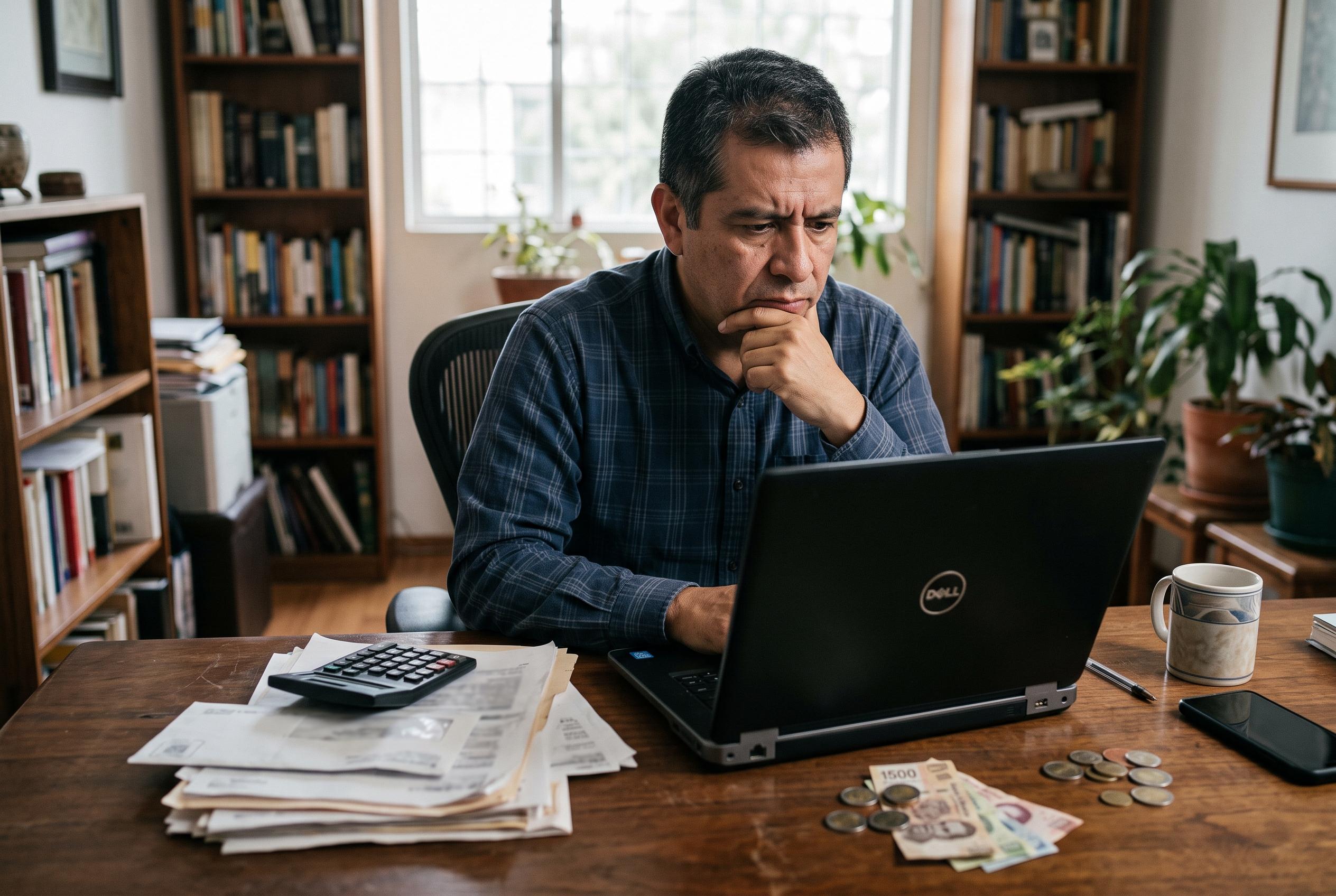

Many households in Mexico are unknowingly in financial peril, with routine debt payments and poor financial education masking fragile budgets that can collapse at the slightest setback.
Over-indebtedness has become so routine that many people do not recognise when they are already in trouble. They may keep payments current and preserve a clean credit record, yet much of their income is spoken for before it even lands. That apparent calm can hide a balance sheet so fragile that one setback, from illness to a job loss, can tip it into crisis.
Mexico’s National Institute of Statistics and Geography said in its ENSAFI survey that three in 10 people do not have enough money to cover expenses without borrowing. That finding helps explain why debt is no longer viewed by many households as an emergency measure but as part of the monthly routine. The problem is reinforced by weak financial education, aggressive credit marketing and constant pressure to consume, with offers arriving through phones, social media and apps.
The familiar rule of thumb that debt payments should stay below 30% of income can also mislead. For workers on low pay, people with high fixed costs or households with irregular earnings, even a smaller share can be dangerous if it leaves no room for savings or essentials. Analysts at the Money Advice Service say borrowers should look beyond instalments and examine their overall position: how much they owe, what assets they could realistically sell and whether they are relying on one debt to pay another.
Warning signs usually appear well before a default. They include stopping savings, using credit to make it through the month, paying only the minimum due or rolling balances into fresh borrowing. Financial literacy initiatives in the United States make the same basic point: budgeting, saving and understanding the cost of debt are essential protections, not optional extras. Once a household’s income is effectively pre-committed, the loss of a few days’ pay or an unexpected bill can undo the whole arrangement. Recognising the strain early is far less costly than waiting until debt has become both a financial burden and an emotional one.
Disclaimer: This article is intended to inform and educate, not to recommend or endorse any financial product, investment or strategy. Please consider your own financial circumstances and seek professional advice where appropriate before making financial decisions.



