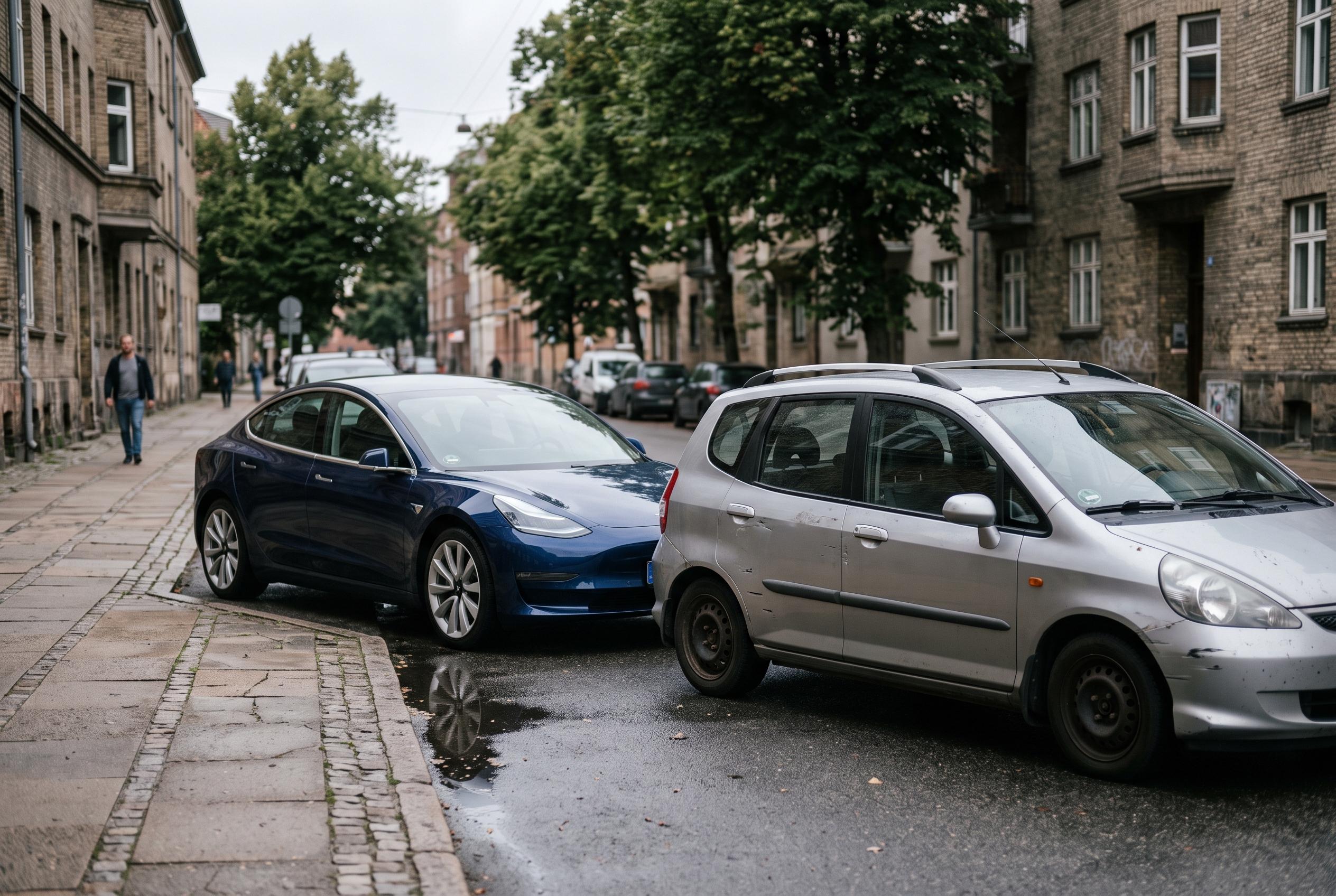

With vehicle prices soaring and borrowing costs climbing, car buyers face a tougher market where focusing on true ownership costs and financing details is essential to avoid unexpected expenses.
Car buyers are facing a tougher market than they did before the pandemic. Fortune has reported that vehicle prices are about 30% higher than they were in 2020, while Federal Reserve data show the average rate on a five-year car loan has climbed from 4.52% in 2022 to 7.52% now. That combination means buyers are being squeezed by both higher sticker prices and more expensive borrowing.
Against that backdrop, the monthly payment can be misleading. A lower payment often reflects a longer loan, not a better deal, and that can hide a much larger financing bill over time. The real numbers to watch are the annual percentage rate, the length of the loan, and the full cost of owning the vehicle.
APR matters because it captures more than basic interest. It can also reveal fees that are built into the deal by the dealer, and if the rate is high enough, the car may lose value faster than the loan balance falls. Long loan terms can make a car look affordable month to month, but they usually increase the total interest paid by thousands of dollars. On a $30,000 car, for example, a 48-month loan at 6% interest would cost far less over its life than a 72-month loan at 8%, even though the longer term produces a smaller monthly bill.
The broader ownership picture has become more expensive as well. Axios reported that in Massachusetts, insurance premiums and repair costs have risen sharply since the pandemic, while the average monthly payment on a new vehicle reached $699 and the average amount financed nationally climbed to a record $43,899 in early 2026. At the same time, CNBC said used-car prices remain elevated because the market is still short millions of vehicles after pandemic-era production cuts reduced supply.
That is why experts say shoppers should compare more than just financing offers. Bankrate’s latest rate data show average auto loan pricing remains elevated, and NerdWallet notes that credit scores still play a major role in determining the rate a borrower is offered. Buyers are often better off taking a lower purchase price and arranging their own financing if a dealer’s loan is more expensive. They should also compare total ownership costs, including maintenance, repairs, fuel and insurance, because some models that cost less upfront can end up being more expensive over time. Kelley Blue Book data cited in the article suggest that reliable brands such as Toyota, Lexus, Honda and Acura tend to hold their value better, which can help reduce the risk of owing more than the car is worth.
Disclaimer: This article is intended to inform and educate, not to recommend or endorse any financial product, investment or strategy. Please consider your own financial circumstances and seek professional advice where appropriate before making financial decisions.