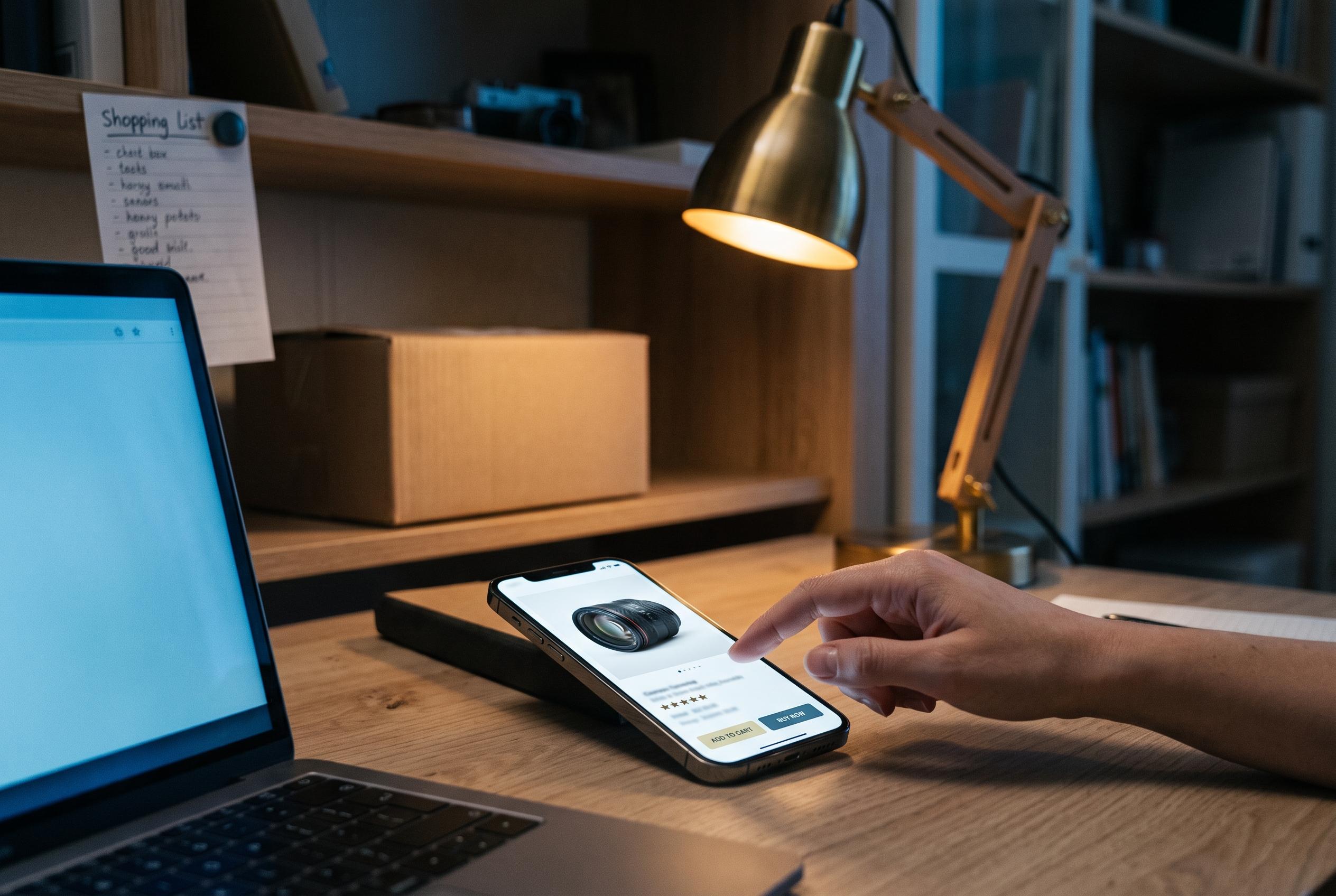

The proliferation of AI-generated fake online shops has surged, exploiting the surge in e-commerce and demanding vigilant consumer checks amid rising fraud risks, industry experts warn.
Fake e-shops have become a growing risk in online retail, exploiting the convenience that makes digital shopping so popular. As Punch explained, these sites imitate genuine stores, lure buyers with steep discounts and then either steal payment details or fail to deliver at all. Industry warnings cited by the outlet suggest the threat intensifies around major shopping periods, when bargain-hunters are more likely to act quickly and less likely to verify a seller’s identity.
The scale of the problem is not limited to a few isolated scams. Malwarebytes reported in 2026 that it had uncovered a network of more than 20,000 fake shops, many of them built to look polished and trustworthy while hiding fraudulent checkout systems. It also noted a sharp increase in fake e-shop scams in early 2025, alongside the use of AI-generated material to make the fraud appear more convincing.
Consumer groups and security specialists say the best defence is to slow down and check the basics. Germany’s Verbraucherzentrale advises shoppers to examine the web address closely for small spelling changes, unusual domain extensions and other inconsistencies that can signal a clone site. ScamAdviser similarly recommends checking how long a domain has existed, since newly registered sites can be a warning sign.
Payment choices can also reveal a lot. Verbraucherzentrale warns that stores demanding bank transfers or other upfront payments should be treated with caution, while ScamAdviser says shoppers should avoid methods such as wire transfers, Zelle and cryptocurrency and instead use credit cards, which usually offer stronger protection. Both organisations stress that legitimate retailers normally provide clear refund terms, returns policies and working customer-service details.
That advice closely matches the checklist set out by Punch. The newspaper quoted ecommerce manager Paul Abisola as saying shoppers should search the store name together with terms such as “scam” or “reviews” to see what other buyers have reported. SEO specialist Ndubuisi Ubani urged consumers to study the domain carefully for slight alterations that mimic a real brand, while Abisola warned against ads promising extreme markdowns on desirable products.
The wider pattern is familiar: fake shops often rely on urgency, vague contact information and offers that seem too good to be true. Scampede says fraudulent stores frequently use stolen product images, rushed checkout pages and incomplete social media profiles to build false credibility. In practice, the safest approach remains simple , verify the seller, inspect the address, read the policies and walk away if the deal feels forced.
Disclaimer: This article is intended to inform and educate, not to recommend or endorse any financial product, investment or strategy. Please consider your own financial circumstances and seek professional advice where appropriate before making financial decisions.