

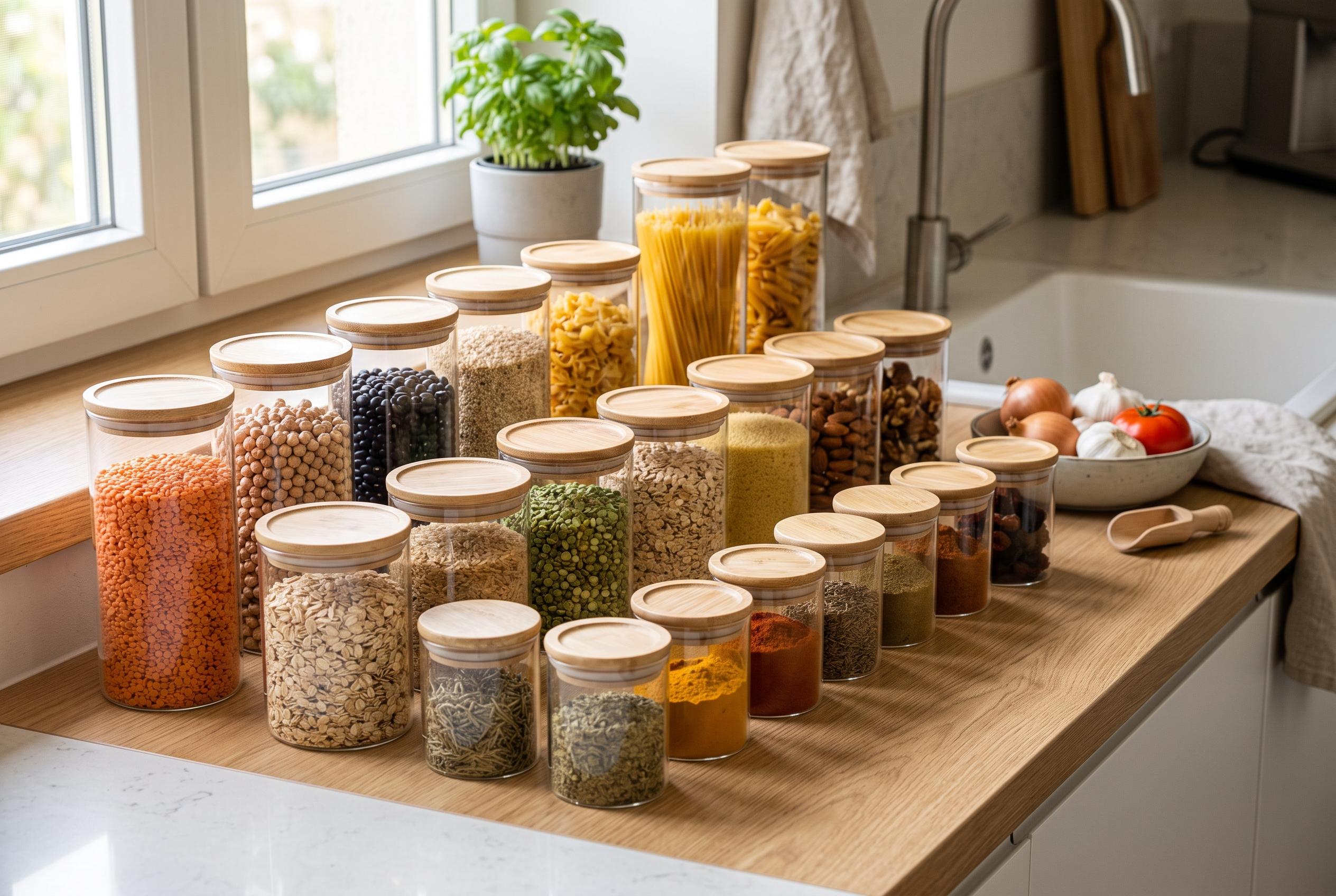

A pantry reset, focusing on organisation and visibility, is transforming home cooking by reducing waste and making the most of existing ingredients, rather than encouraging more shopping.
A pantry reset is less about austerity than discipline. The idea, as described by Grocery Coupon Guide, is to stop treating cupboards and freezers as invisible storage and start using them as the basis for a full week of meals. That means taking stock of what is already in the house before buying more, a habit that can reduce waste, prevent duplicate purchases and ease pressure on a stretched food budget.
The first step is a proper audit. HomeStorage recommends emptying shelves, checking dates, wiping down surfaces and making a clear inventory so forgotten staples do not stay buried at the back of the cupboard. Declutter101 takes that one stage further by suggesting a zone system: purge, map, assign, contain, label and reset. In practice, the goal is the same , to make food visible, sorted and easy to use before it expires.
Once the stock is laid out, meal planning becomes a matter of combining parts rather than chasing recipes. PairDish advises grouping pantry food into categories such as bases, proteins, sauces and textures, then building flexible dishes from those elements. That can mean grain bowls, pasta suppers, soups, skillet meals or even snack-style plates assembled from whatever is on hand. The point is to work with formulas that adapt to the contents of the kitchen.
Grocery Coupon Guide says the smartest pantry reset is not a complete ban on shopping, but a far more selective one. A single onion, a handful of herbs or a carton of eggs can lift a meal without turning the trip into a full weekly shop. 31Daily and Pantry-Place both stress that the pantry should feel practical and easy to navigate, with visible ingredients and sensible rotation so households are more likely to cook from what they already own.
NestPaths frames that habit as part of a longer-term effort to cut waste and keep spending under control over a month rather than a single week. The broader lesson is that a well-run pantry is not just tidy; it is a budget tool. When households regularly reset what they have, they are less likely to overbuy, more likely to use up older food and better placed to turn ordinary staples into reliable meals.
Disclaimer: This article is intended to inform and educate, not to recommend or endorse any financial product, investment or strategy. Please consider your own financial circumstances and seek professional advice where appropriate before making financial decisions.



