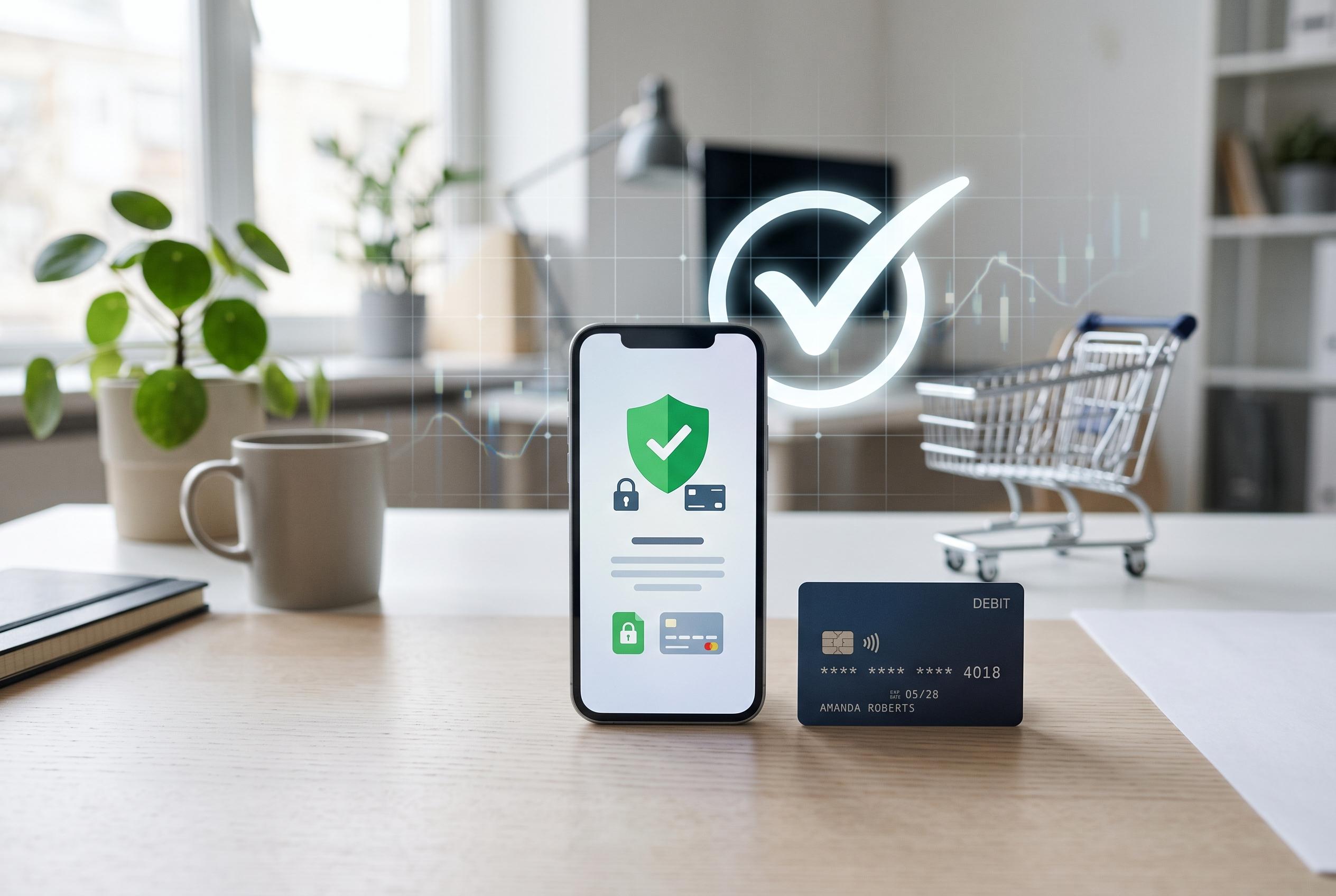

Experts warn that while online shopping offers convenience, consumers must adopt new safety habits such as verifying seller legitimacy, scrutinising prices and securing payment methods to combat rising fraud risks.
Online shopping has transformed everyday buying habits, putting everything from clothes and cosmetics to electronics and household goods within easy reach. Yet the speed and convenience of buying online have also created fresh opportunities for fraud, from counterfeit goods and fake storefronts to phishing messages and payment scams. Consumer-security guidance from Kaspersky, BMO, FindLaw, McAfee, SnoCope Credit Union and PayPal all points to the same basic truth: shoppers can reduce risk significantly by slowing down and checking the essentials before they pay.
The first safeguard is to know who is selling to you. Security advice from BMO, FindLaw and McAfee stresses the value of sticking with established retailers, checking contact details and reading independent reviews rather than relying on the praise posted on a seller’s own site. A polished website is not proof of legitimacy, and unusually positive feedback can be misleading if it has been manipulated or fabricated.
Price is another warning sign. Kaspersky, BMO and PayPal all caution that offers which look almost impossibly generous can be a sign of trouble, especially when a seller applies pressure to buy quickly. Comparing the same item across several reputable retailers helps reveal whether a discount is genuine or whether hidden fees, shipping charges or downgraded specifications will wipe out the apparent saving.
It is also important to inspect the web address itself. FindLaw and McAfee advise shoppers to check that the site is secure and that the domain name is exactly what it should be, since scammers often mimic well-known brands with tiny spelling changes. A secure connection helps, but it does not guarantee that the business behind the page is trustworthy, so shoppers should treat the address bar as one clue rather than the final answer.
Payment choice matters just as much as price and branding. Guidance from the Federal Trade Commission cited in the lead material, along with recommendations from FindLaw, Kaspersky and PayPal, points shoppers towards payment methods that offer more protection, such as credit cards or trusted payment services. The clearest warning is to avoid sellers who push gift cards, wire transfers, cryptocurrency or other methods that are hard to reverse. Buyers should also be wary of anyone asking for passwords, one-time codes, card security numbers or bank details under the guise of customer service.
Messages and links can be equally dangerous. McAfee and BMO both warn that phishing attempts often arrive by email, text message or social media, dressed up as delivery updates, payment failures or prize offers. The safest response is not to click through from the message itself but to open the retailer’s website or app directly and check the order there. That habit can block many fraud attempts before they begin.
After a purchase, keeping records can make all the difference if something goes wrong. McAfee recommends preserving invoices, receipts, tracking details and messages, while the lead article notes that shoppers should also keep return and refund information until the transaction is fully resolved. If a parcel never arrives, turns up damaged or contains the wrong item, that paper trail can help with a complaint to the seller, bank or payment provider. And if the warning signs appear before checkout, the best move may simply be to walk away. The smartest online shoppers are not the fastest ones; they are the ones who pause, verify and trust their instincts.
Disclaimer: This article is intended to inform and educate, not to recommend or endorse any financial product, investment or strategy. Please consider your own financial circumstances and seek professional advice where appropriate before making financial decisions.