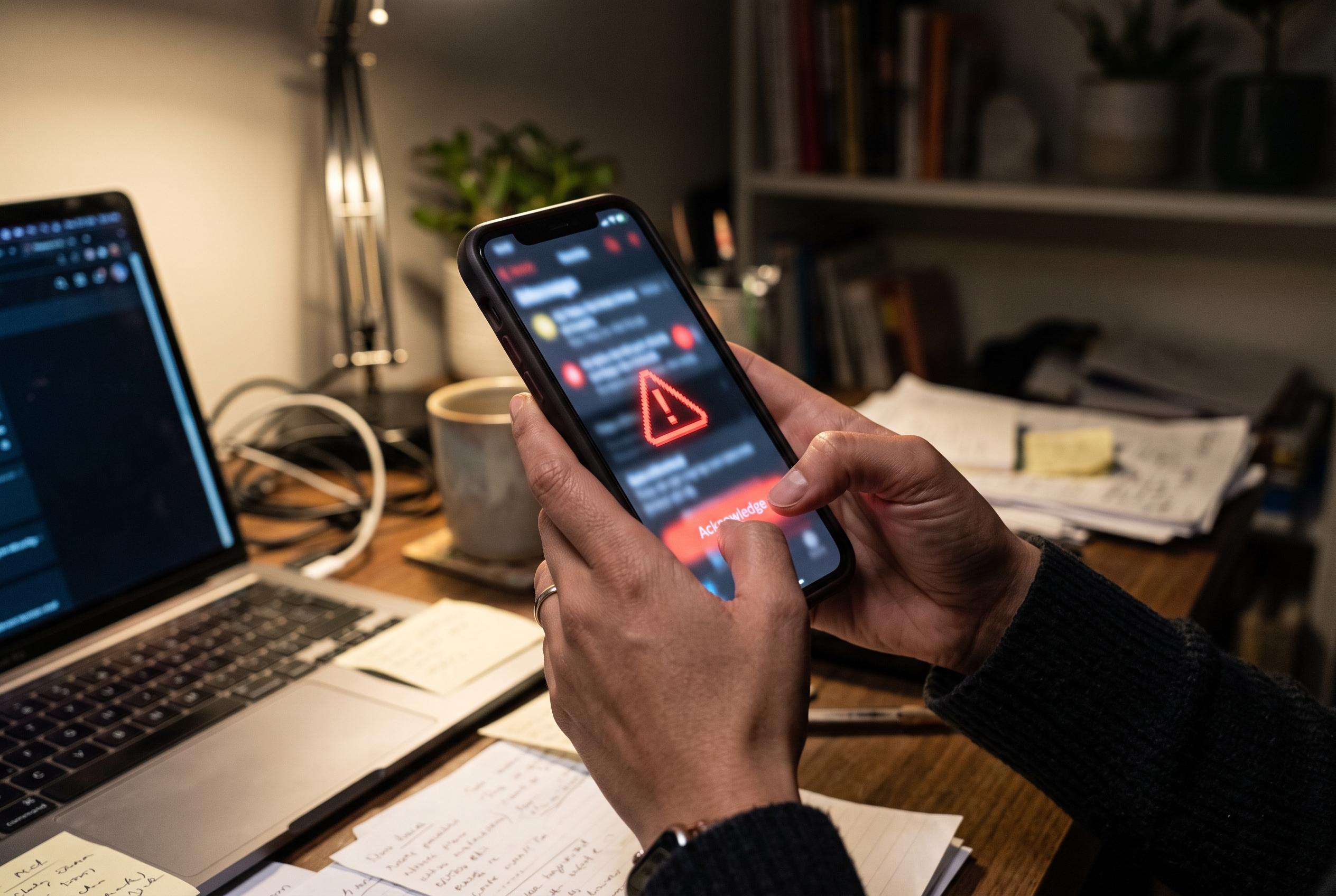

Cybersecurity warnings reveal a sophisticated phishing campaign targeting Apple Pay users through convincing text messages mimicking official fraud alerts, aiming to steal personal and financial information.
A phishing campaign is exploiting Apple Pay users by sending alarming texts that claim a payment has been held and must be confirmed, according to cybersecurity warnings from TechRadar and PhoneArena. The messages are designed to look like official fraud alerts, often using case numbers, familiar branding and urgent language to push people into calling a number controlled by scammers.
The appeal of the hoax lies in its plausibility. MalwareTips says one commonly reported version refers to a $569.90 charge and tells the recipient to contact “Apple Assistance” if the purchase was not authorised. Other reports describe similar alerts tied to Apple IDs, iPhone orders or App Store activity, with fraudulent pages and phone numbers made to resemble legitimate support channels.
Once a victim responds, the scam can move quickly from a text message to account theft. Malwarebytes and the other reports say callers may be asked for Apple ID credentials, verification codes, card details, remote access to a device or even payment in gift cards or cryptocurrency. The goal is to turn a fake fraud alert into a real security breach.
The warning signs are consistent. A message that arrives unexpectedly, demands immediate action and directs the user to a supplied number or link should be treated as suspicious. Apple’s real security tools are accessed through the user’s own device settings, the Apple Support app or the company’s official website, not through contact details embedded in an unsolicited text, according to the guidance summarised by the reports.
If someone has already interacted with one of these messages, the priority is to stop contact, secure the Apple account, check the associated card with the issuer and change any exposed passwords. Apple users are also being advised to preserve evidence, report the message to Apple and the appropriate fraud channels, and watch for follow-up calls from people promising to recover money for a fee.
Disclaimer: This article is intended to inform and educate, not to recommend or endorse any financial product, investment or strategy. Please consider your own financial circumstances and seek professional advice where appropriate before making financial decisions.