

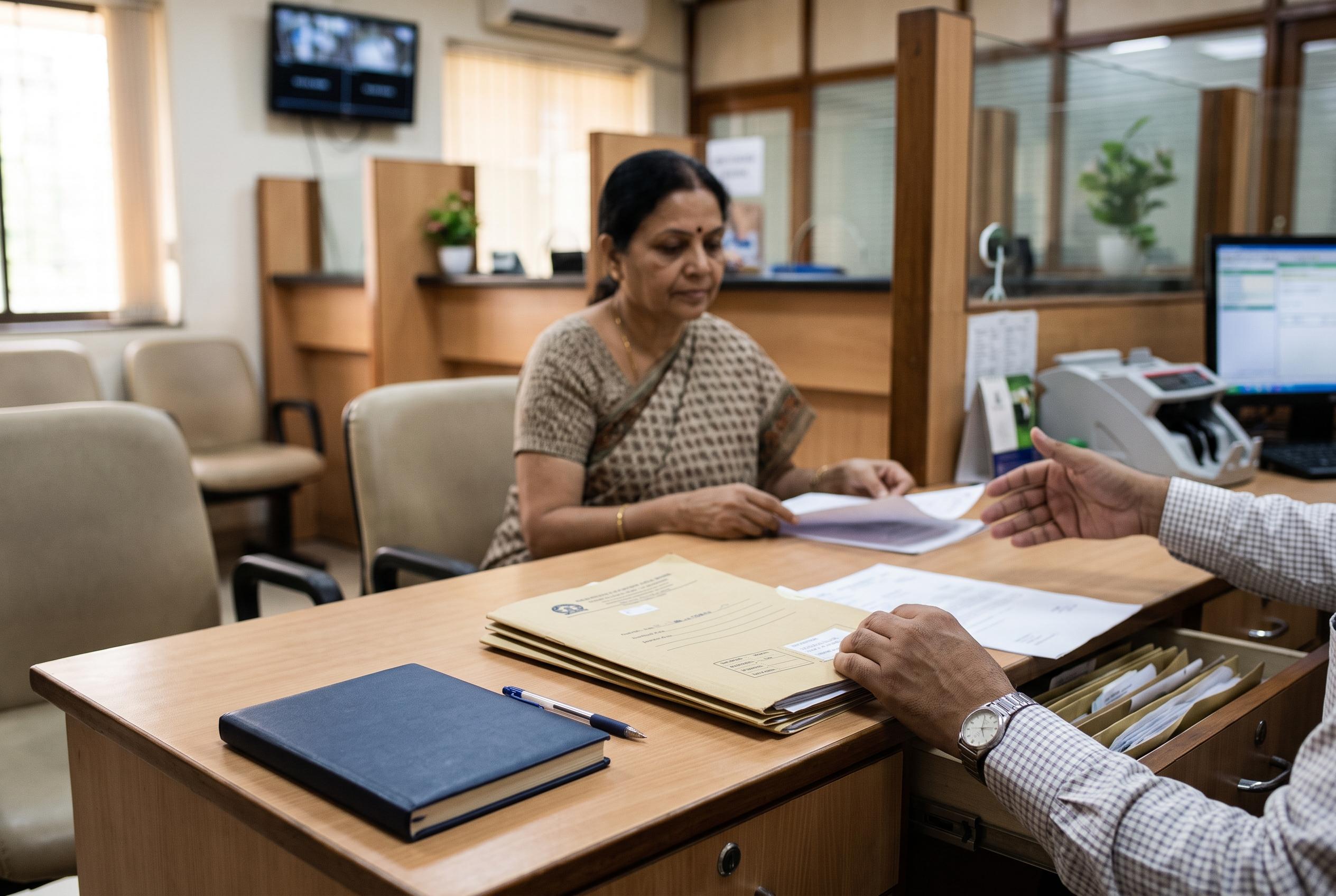

A Kerala consumer commission has mandated a cooperative bank to release over Rs 13.8 lakh to a widow, ruling that internal bank inquiries do not justify withholding her funds from matured fixed deposits, highlighting depositor protections under the Consumer Protection Act.
A Kerala consumer commission has ordered a cooperative bank to release more than Rs 13.8 lakh to a widow after it limited her access to money from fixed deposits that had already matured, in a case that underscores the protections available to depositors when banks cite internal inquiries to withhold funds.
According to the complaint, the woman from Thiruvananthapuram held four fixed deposits with Kandala Sahakarana Sangham Cooperative Bank, which had grown to more than Rs 13.8 lakh by the time they matured. The bank transferred the proceeds into her savings account, but she was told she could withdraw only Rs 50,000. The rest remained blocked for months, despite repeated requests for the money.
She told the Thiruvananthapuram District Consumer Disputes Redressal Commission that the funds were needed for her mother’s medical treatment and to clear a gold loan. The bank did not dispute the existence of the deposits or the transfer into her account, but argued that the consumer forum had no jurisdiction because cooperative banks are covered by the Kerala Co-operative Societies Act. It also said a separate inquiry into irregularities at the bank had led to withdrawal restrictions imposed under directions from cooperative authorities.
The commission rejected that defence, according to the reports. It held that the Consumer Protection Act provides an additional remedy, not an exclusive one, and said the bank had failed to produce documents to support its claims about the inquiry and the restrictions. By contrast, the woman had filed an affidavit and submitted deposit certificates and her passbook.
The panel found that the bank’s internal problems could not justify denying a depositor access to her own money, particularly when she said the funds were her only source of income. It ruled that the bank’s conduct amounted to deficiency in service and unfair trade practice.
The commission ordered the bank to pay Rs 13,87,408, together with 9% annual interest from the date the complaint was filed, plus Rs 25,000 in compensation for mental anguish and financial strain and Rs 3,000 in costs. The total comes to roughly Rs 14.15 lakh. The bank was given 30 days to comply, after which the principal amount, excluding costs, would attract interest again at 9% a year until payment is made.
Disclaimer: This article is intended to inform and educate, not to recommend or endorse any financial product, investment or strategy. Please consider your own financial circumstances and seek professional advice where appropriate before making financial decisions.



