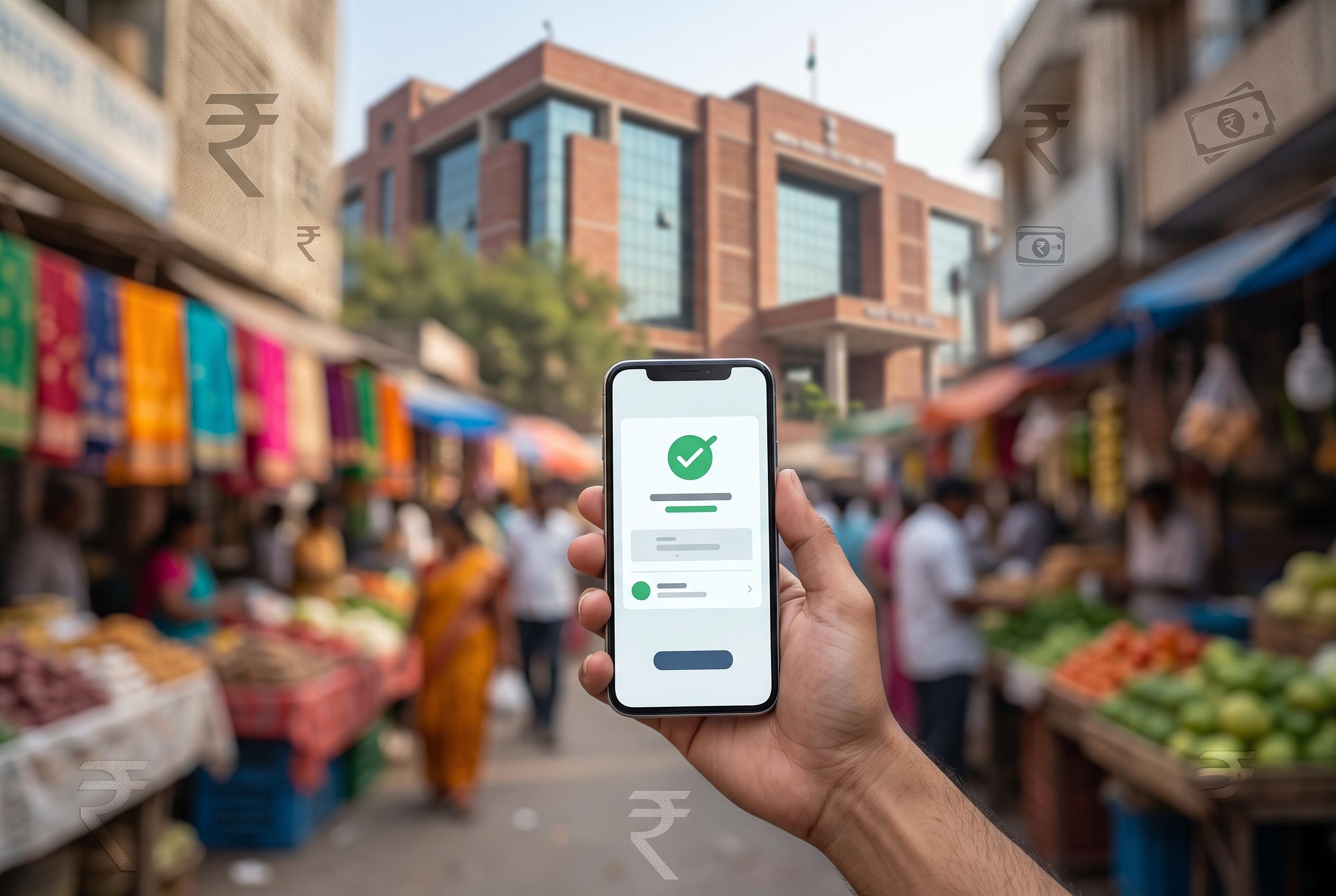

As India’s unified payments infrastructure handles unprecedented transaction volumes, policymakers must navigate the delicate balance of maintaining free consumer transactions while funding the platform’s expanding needs through potential merchant charges.
The government’s assurance that consumers will not be charged for Unified Payments Interface transactions is a sensible one. For millions of Indians, UPI has become the default way to pay, from splitting a restaurant bill to buying groceries, and any levy on ordinary person-to-person transfers would hit users who have switched away from cash precisely because the system is fast, simple and free. The basic promise of zero-cost payments for citizens should remain intact.
That said, the larger question of how to fund the infrastructure behind UPI cannot be ignored. The scale is now vast: in July alone, the platform handled 2,366 crore transactions worth Rs 29.9 lakh crore, while IBEF says UPI had 55.49 crore users by June 2026 and processed about $3.56 trillion in the 2025-26 financial year. With that volume come real costs for networks, cybersecurity and fraud prevention, as well as the need for ongoing upgrades and safeguards.
The idea of a merchant discount rate on selected, higher-value business transactions is therefore not unreasonable in principle, provided it is tightly drawn. Reports in the financial press have suggested that the government has examined a small fee for large merchants on payments above Rs 2,000, with small traders and everyday consumers shielded from any charge. That distinction matters. A broad levy on neighbourhood shops or small vendors would risk weakening one of the most inclusive features of India’s digital payments system.
The policy challenge is to balance sustainability with access. UPI is not just a domestic success story; it has become a model for real-time payments and is increasingly being linked with cross-border use in markets including Singapore, the UAE, France, Mauritius and Nepal, according to industry reports. The government had already clarified in August 2025 that there was no proposal to charge users for UPI payments, and it has supported the system with incentives to preserve zero-charge transactions. Any future merchant fee, if introduced, should be transparent, limited and clearly explained so users and businesses know who pays, how much and for what purpose.
Disclaimer: This article is intended to inform and educate, not to recommend or endorse any financial product, investment or strategy. Please consider your own financial circumstances and seek professional advice where appropriate before making financial decisions.