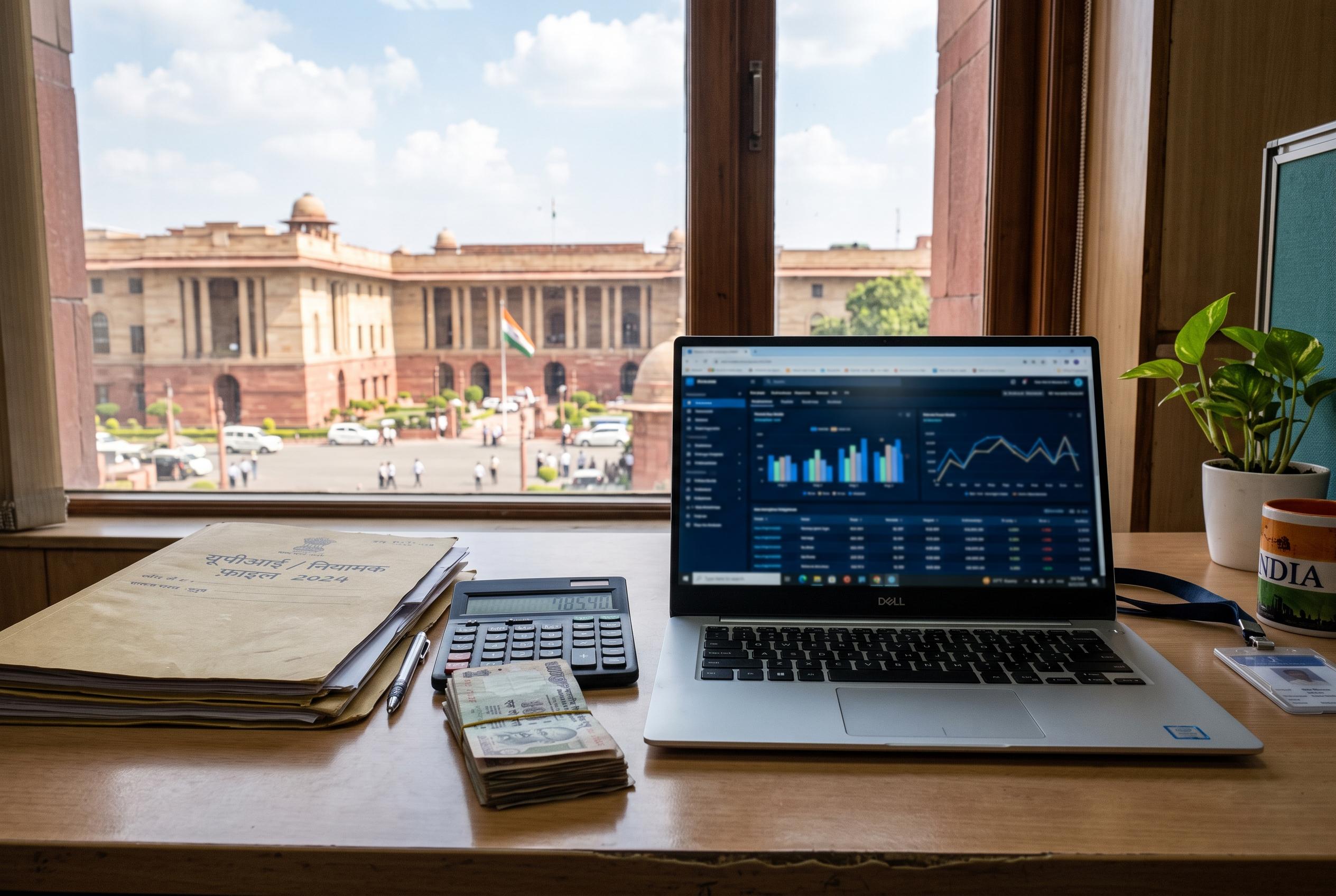

India’s dominant digital payment system, UPI, may be moving away from its long-standing zero-fee structure as increasing transaction volumes prompt discussions on sustainable funding models, risking a fundamental shift in its viability and policy approach.
UPI’s long-running promise of cheap, instant payments may be entering a new phase. After years in which the system was sustained by government support and a zero-merchant-discount-rate regime, the debate is now shifting towards whether some form of pricing is needed to keep the network commercially viable. The question is no longer whether UPI has transformed India’s payments habits , that is well established , but how its costs should be shared as transaction volumes keep rising.
According to the Reserve Bank of India, UPI activity has expanded sharply, with January 2022 transaction volumes and values nearly doubling from a year earlier. That growth has made UPI the backbone of everyday digital payments, particularly for small-value purchases. It has also sharpened the policy dilemma: a platform that began as a public digital utility now faces pressure to find a durable funding model as subsidies and incentives become harder to rely on.
The RBI’s discussion paper on charges in payment systems, issued after it first flagged the issue in 2020, argued that even public infrastructure has to be paid for somehow. The central bank’s earlier paper on payment charges asked whether the burden should fall on the state, users or the market. That thinking touched off a wider industry conversation, even though the government quickly made its own position clear by ruling out any charge on UPI services. Since then, the framework has evolved in small steps, including the move in April 2023 to allow credit through UPI, creating another potential revenue stream for banks.
Industry voices now say the zero-fee model is unlikely to last indefinitely. Rohan Lakhaiyar of Grant Thornton Bharat said easing policy support and the sustainability question around zero MDR, or merchant discount rate, could make a calibrated pricing structure more attractive than the current incentive model. Pushpa Marwal of Forrester’s Financial Services Practice said banks, not merchants, are currently absorbing the cost, adding that similar real-time payment systems abroad have not remained free forever. Raman Khanduja, chief executive of Mintoak, argued that any charge should vary by merchant size and turnover rather than follow a single flat formula.
Others believe the next version of UPI pricing should be more selective than the current blanket approach. Uttam Nayak, formerly of Visa, said India is already moving towards a tiered model, citing credit on prepaid instruments and MDR on RuPay-UPI credit card transactions above ₹2,000 as examples. Ranadurjay Talukdar of EY India said UPI can remain free as part of broader digital public infrastructure, but that argument is weaker for large merchants that already pay card fees. The unresolved challenge, he said, is execution: acquiring banks and payment aggregators may struggle to classify merchants accurately without better visibility into turnover. As India approaches 10 years since demonetisation, the wider debate over subsidies and free services is colliding with the practical need to keep its most successful payments rail financially sustainable.
Disclaimer: This article is intended to inform and educate, not to recommend or endorse any financial product, investment or strategy. Please consider your own financial circumstances and seek professional advice where appropriate before making financial decisions.