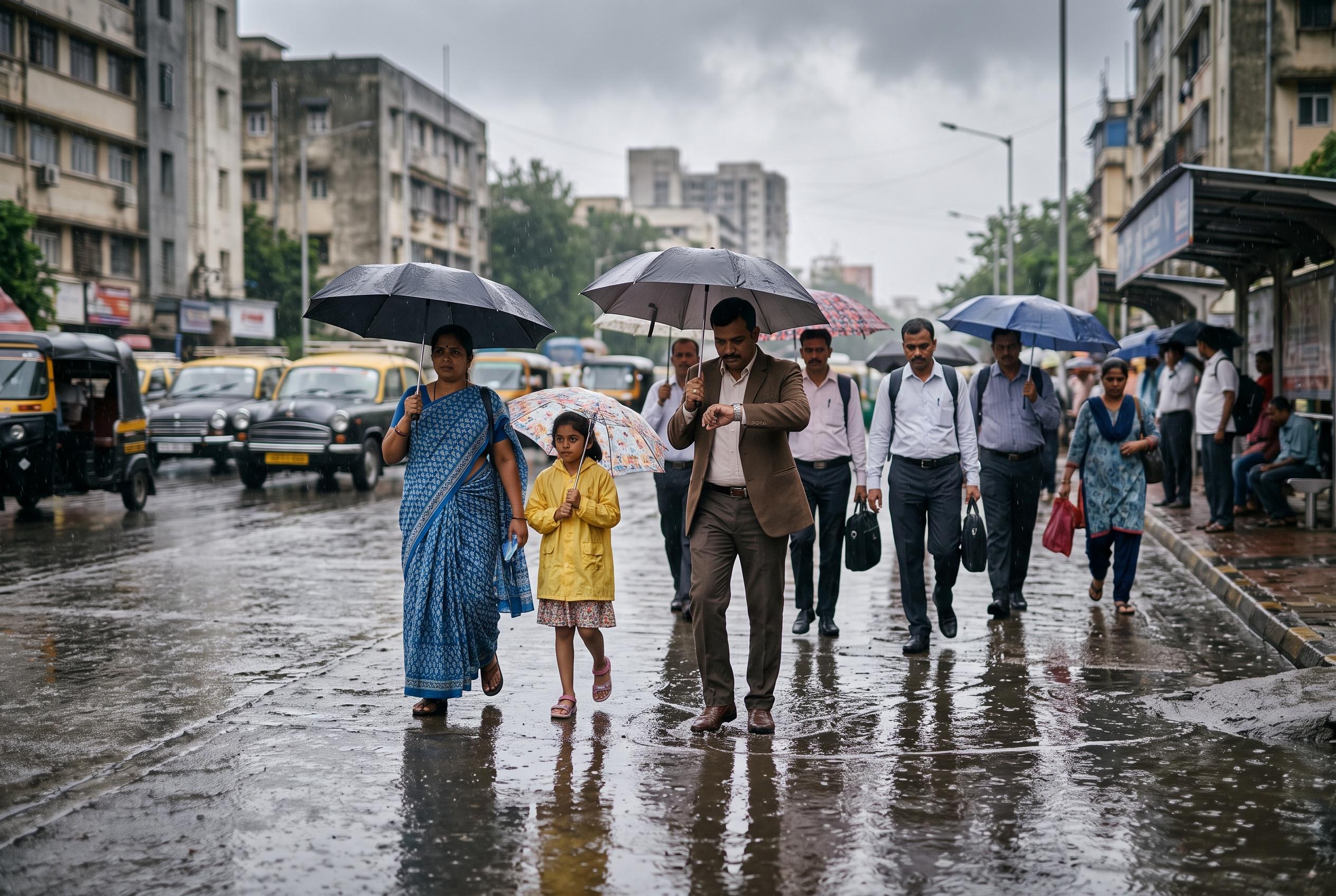

Insurers in India are expanding the sale of benefit-based policies to cover illnesses like dengue, malaria, and chikungunya, offering fixed sums to offset additional treatment costs during monsoon season.
As the monsoon season lifts the risk of dengue, malaria and chikungunya, insurers in India are selling a growing number of benefit-based policies designed to pay a fixed lump sum once specified claim conditions are met. The basic appeal is straightforward: these covers are meant to cushion the extra costs of illness, especially when recovery brings missed work, travel expenses and other out-of-pocket spending that ordinary hospitalisation policies may not fully address. Business Standard reported that the products are often pitched as supplements rather than replacements for regular health cover.
The details, however, vary sharply from one policy to another. According to Rediff and insurer material reviewed by the publication, common sum insured levels range from Rs 10,000 to Rs 2 lakh, with Rs 75,000 and Rs 1 lakh among the more familiar options. Some plans expand beyond the core trio of dengue, malaria and chikungunya to include illnesses such as Japanese encephalitis, kala-azar, filariasis, encephalitis and Zika virus. Bajaj General’s M-Care, for example, lists several of these diseases and offers both individual and floater structures, while HDFC ERGO’s Dengue Care Policy is positioned as an annual cover for positive dengue diagnoses.
Claim triggers matter just as much as the disease list. Priya Deshmukh of ICICI Lombard told Rediff that the benefit is generally paid only after a confirmed diagnosis backed by the prescribed evidence. In some plans, hospitalisation must also be directly tied to the vector-borne illness, and a minimum stay may be required. Rediff cited ICICI Lombard as using a two-day medically necessary hospitalisation condition in its own product structure, underscoring how easily a claim can turn on technical wording in the policy document.
The broader health-insurance picture is also important. Star Health says dengue treatment is typically covered under standard health insurance when it involves eligible hospitalisation, and may extend to diagnostic tests, consultations and pre- and post-hospitalisation expenses, depending on policy terms. SBI General likewise says most conventional plans can cover room charges, ICU costs and related medical spending. That means a separate dengue or vector-borne disease policy is not always essential, particularly for buyers who already have comprehensive health insurance and an outpatient rider, but it may still help with costs that fall outside reimbursement rules.
Advisers quoted by Rediff caution that these products are narrowly focused. Kapil Mehta of SecureNow said it is difficult to predict which vector may cause a future illness, while Rohan Goel of Policybazaar said buying separate covers for each disease can become expensive. Even so, such policies may suit people who face seasonal exposure, travel often, or cannot afford a lengthy loss of income. Rediff quoted Arun Ramamurthy of Staywell.Health as estimating annual premiums of roughly Rs 1,000 to Rs 1,500 for an individual with Rs 75,000 to Rs 1 lakh of cover, and Rs 1,500 to Rs 3,000 for a family floater.
The main checks are practical ones: the waiting period, the illness list, the benefit amount and whether the policy ends after one claim. Rediff said benefit-based plans often carry a waiting period of around 15 days, and some may terminate after a payout, forcing the buyer to take fresh cover later. Mehta also pointed out that claims are commonly rejected when the diagnosis is for a disease not named in the policy. For consumers weighing the purchase, the core question is not whether dengue is covered somewhere in the market, but whether a standalone lump-sum plan adds enough value to justify the premium on top of existing health insurance.
Disclaimer: This article is intended to inform and educate, not to recommend or endorse any financial product, investment or strategy. Please consider your own financial circumstances and seek professional advice where appropriate before making financial decisions.