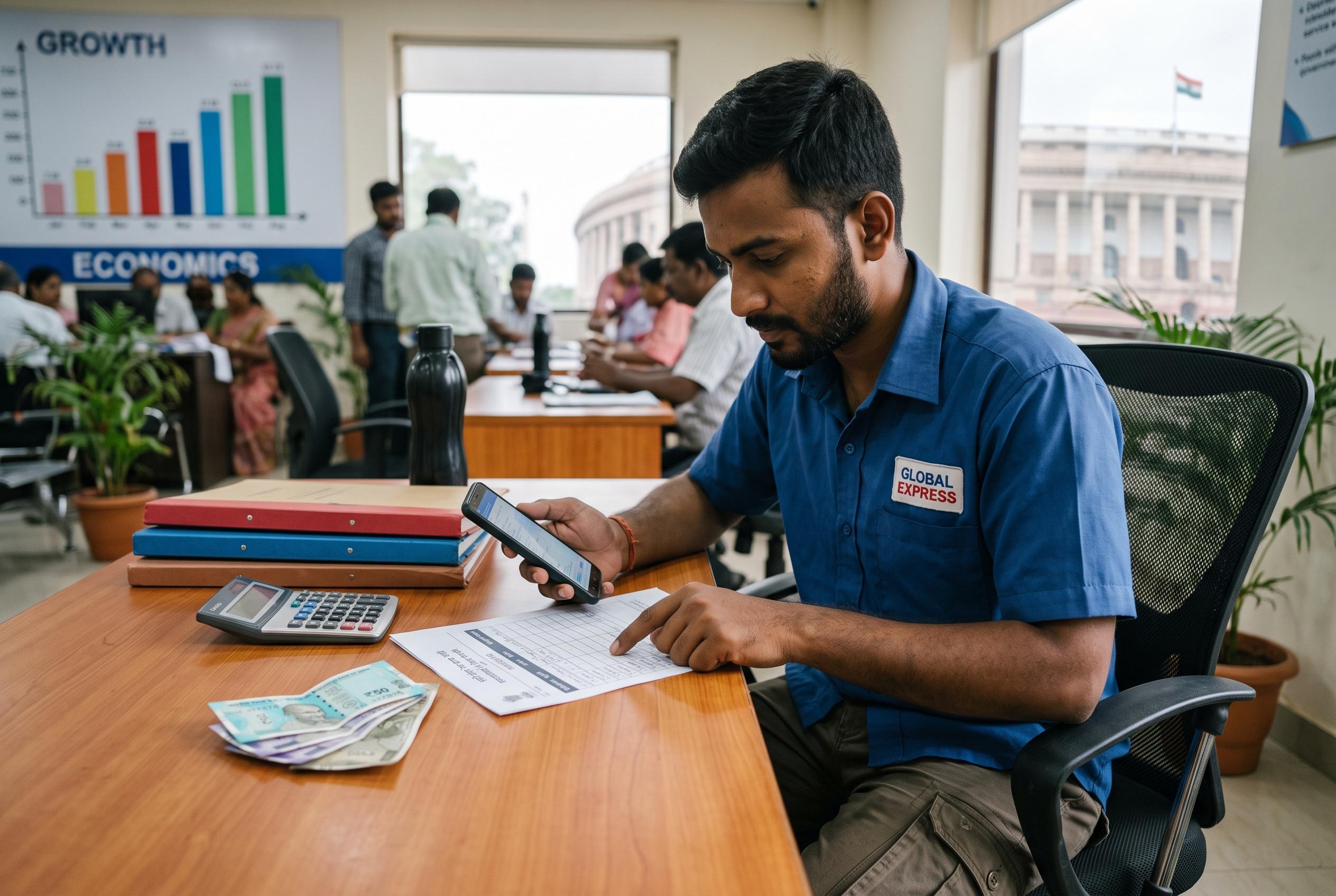

India’s pension regulator launches a new flexible retirement savings model for gig workers, allowing contributions based on income fluctuations, as industry partnerships accelerate adoption of the scheme.
India’s pension regulator is trying to make long-term saving easier for gig workers, a group that often lacks the steady pay and employer-backed retirement benefits available in formal jobs. Under the National Pension System’s e-Shramik model, platform workers such as delivery riders and cab drivers can contribute when their income allows, rather than being tied to a rigid monthly amount.
The Pension Fund Regulatory and Development Authority introduced the model on 29 October 2025 to bring informal platform workers into the NPS. According to the regulator’s framework, there is no mandatory minimum or maximum contribution for an individual pension account, and the amount can be set by arrangement between the worker and the platform aggregator. That means a worker may save more in a strong month and less, or nothing, when earnings are weak.
The PFRDA has also said contributions may come from the worker, the platform, or both. Its circular issued in October 2025 places Points of Presence, the entities that help open NPS accounts, at the centre of onboarding and education, while also allowing aggregators and workers to decide the minimum contribution that fits their arrangement. The regulator has separately offered incentives of up to ₹100 for each new account opened by 31 March 2026.
The model is emerging alongside early industry adoption. Livemint reported that Zomato has partnered with HDFC Pension to roll out an NPS model for delivery partners, with more than 30,000 Permanent Retirement Account Numbers generated within 72 hours of integration. Business Standard said the launch was unveiled by finance minister Nirmala Sitharaman at a PFRDA event on 1 October, underscoring the government’s push to widen retirement coverage in the platform economy.
The broader policy backdrop is India’s fast-growing gig workforce, where income is often irregular and formal social-security coverage is limited. The model is designed to address that gap, but its success will depend on whether workers and aggregators keep contributing over time. Flexibility may make the system easier to join, yet a meaningful retirement corpus will still require discipline and patience.
Disclaimer: This article is intended to inform and educate, not to recommend or endorse any financial product, investment or strategy. Please consider your own financial circumstances and seek professional advice where appropriate before making financial decisions.