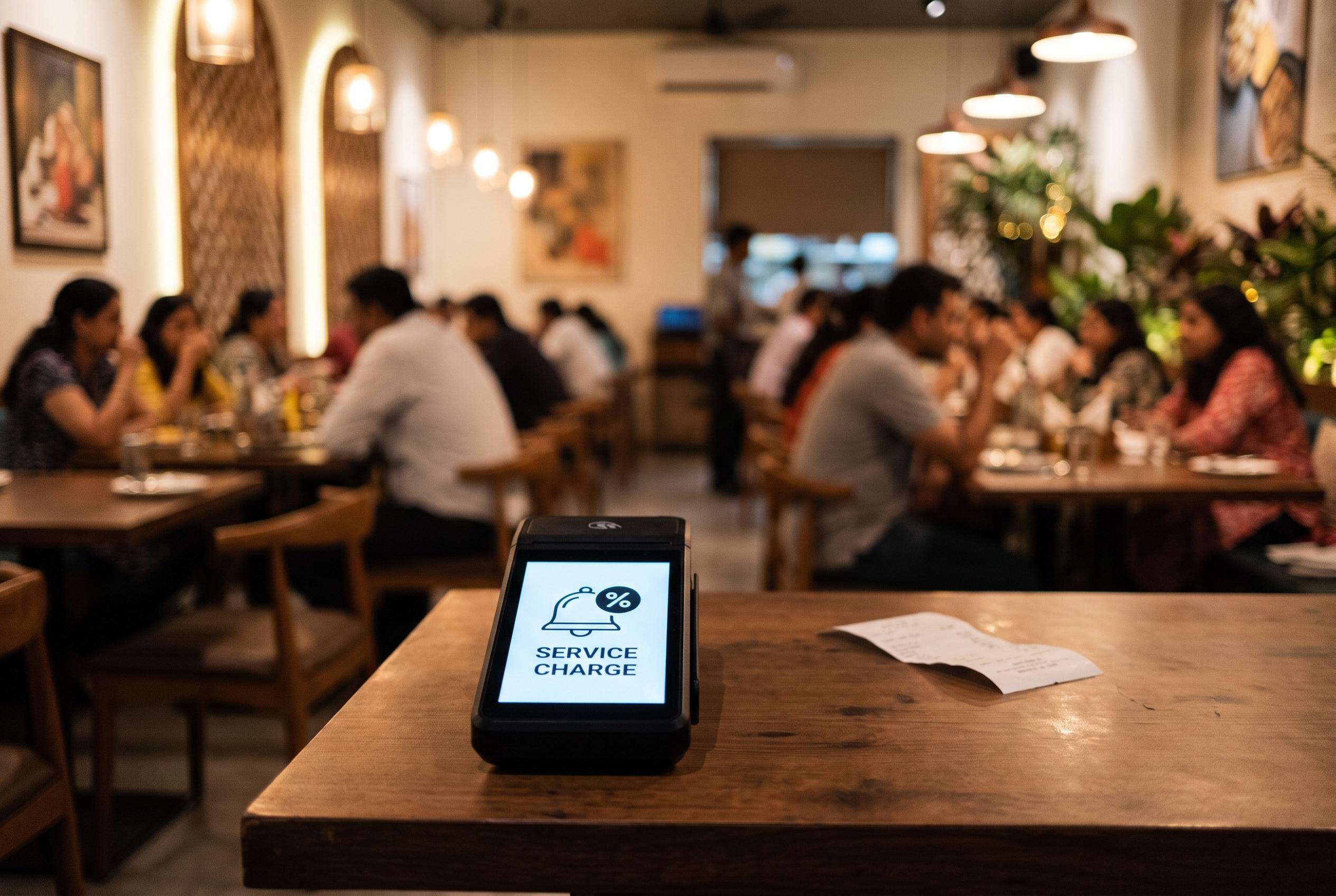

Regulators in India are stepping up action against restaurants and ride-hailing firms over forced service charges, highlighting legal clarifications amidst the rise of digital payments and consumer complaints.
What begins as a discretionary reward can quickly look like an obligation when it appears on a bill by default. In India, that tension is drawing new attention as consumer complaints pile up over restaurant service charges and alleged pressure on cab passengers to hand over extra money after a ride. Regulators are treating the issue less as a minor billing irritation than as a question of consumer rights.
In June, Maharashtra Transport Minister Pratap Sarnaik told officials to move against app-based taxi and ride-hailing firms after complaints that passengers were being pushed to pay tips or other add-ons. Local reports said the complaints included drivers asking for extra money above the fare shown on the app, demanding tips before the journey began and, in some cases, cancelling bookings when riders refused.
The restaurant sector has faced similar scrutiny for longer. According to the Central Consumer Protection Authority, service charges must be voluntary and left entirely to the customer’s choice. The watchdog has said restaurants cannot automatically add the fee, disguise it under another label or refuse service to diners who decline to pay it. In July 2026, the authority initiated suo motu action against 41 restaurants across the country after complaints were filed through the National Consumer Helpline.
That action followed an earlier ruling from the Delhi High Court in March 2025, which upheld the regulator’s guidelines on service charges. In January 2026, legal reporting said the CCPA had already taken action against 27 restaurants for making service charges mandatory, describing the practice as an unfair trade practice under consumer law.
The spread of digital payments has made these disputes more visible and, in some cases, harder for customers to challenge in the moment. A charge can be presented on a screen or added by software before a customer has a chance to object, blurring the line between a voluntary tip and a compulsory fee. For regulators, that distinction matters. A tip is meant to be optional; a charge is not.
Disclaimer: This article is intended to inform and educate, not to recommend or endorse any financial product, investment or strategy. Please consider your own financial circumstances and seek professional advice where appropriate before making financial decisions.