

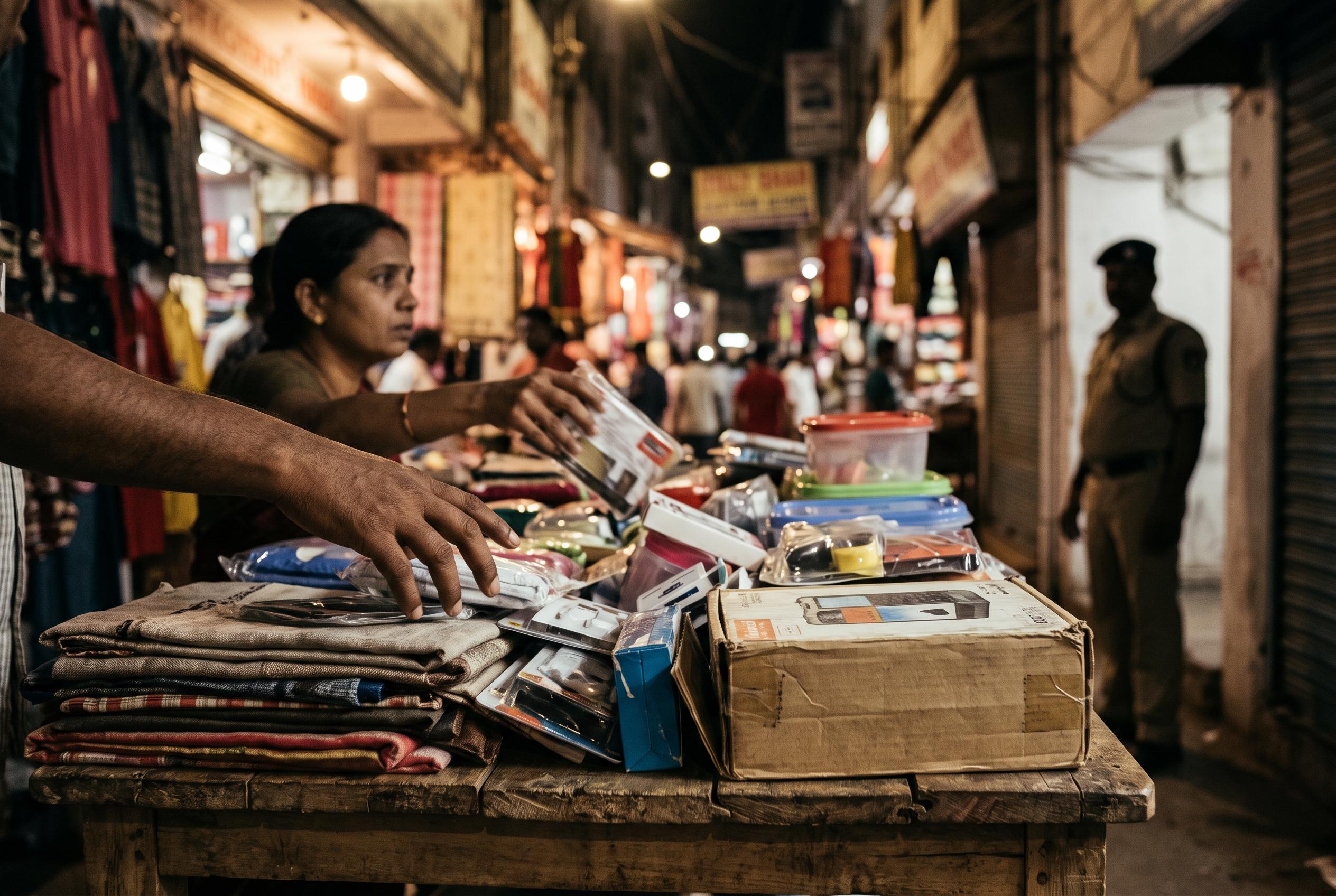

A new survey reveals Hyderabad has the highest consumer exposure to counterfeit products in India, highlighting the escalation of a nationwide problem across multiple categories and shopping channels.
Counterfeit goods remain a broad and growing consumer problem in India, with a new survey by the Authentication Solution Providers’ Association and Crisil Intelligence finding especially high exposure in Hyderabad. The study said 46 per cent of residents in the city had come across a fake product in the past year, while 91 per cent said they had encountered one at some point in their lives.
The findings were released at the “Fake Free India” event in Hyderabad on Monday as part of the ASPA-Crisil State of Counterfeiting in India 2025 report. The survey covered 1,639 consumers in nine cities across six categories, including apparel, fast-moving consumer goods, auto parts, consumer durables, healthcare products and agro-products. Hyderabad had the highest share of respondents in south India reporting exposure to counterfeit products over the previous 12 months, ahead of Chennai and Bengaluru.
The report also suggested that the problem is becoming more visible in everyday shopping channels. Consumers estimated that almost 29 per cent of goods in local markets could be fake, while 74 per cent said counterfeiting had increased in their area over the past year. Compared with the 2022 survey, the latest results showed 53 per cent of consumers identifying online aggregator apps as the main source of counterfeit products, with the perception strongest in apparel, consumer electronics and healthcare.
The broader national picture is similarly troubling. Fortune India reported that nearly 35 per cent of urban consumers in India encountered counterfeit goods in the past year, while 89 per cent said they had bought a fake product at least once in their lives. Pharmabiz reported that counterfeit medicines account for about 28 per cent of the market in India, underscoring the particular risks in healthcare and the need for stronger authentication and traceability systems.
ASPA president Ankit Gupta said brands were increasingly willing to acknowledge the scale of the problem and launch awareness campaigns and anti-counterfeiting measures. Bejon Kumar Misra, an international consumer policy expert, argued that counterfeiting should be treated as a consumer protection issue, not only as an intellectual property concern. He said consumers need simple and affordable ways to verify products and report suspicious items, rather than being told only to buy genuine goods.
Disclaimer: This article is intended to inform and educate, not to recommend or endorse any financial product, investment or strategy. Please consider your own financial circumstances and seek professional advice where appropriate before making financial decisions.



