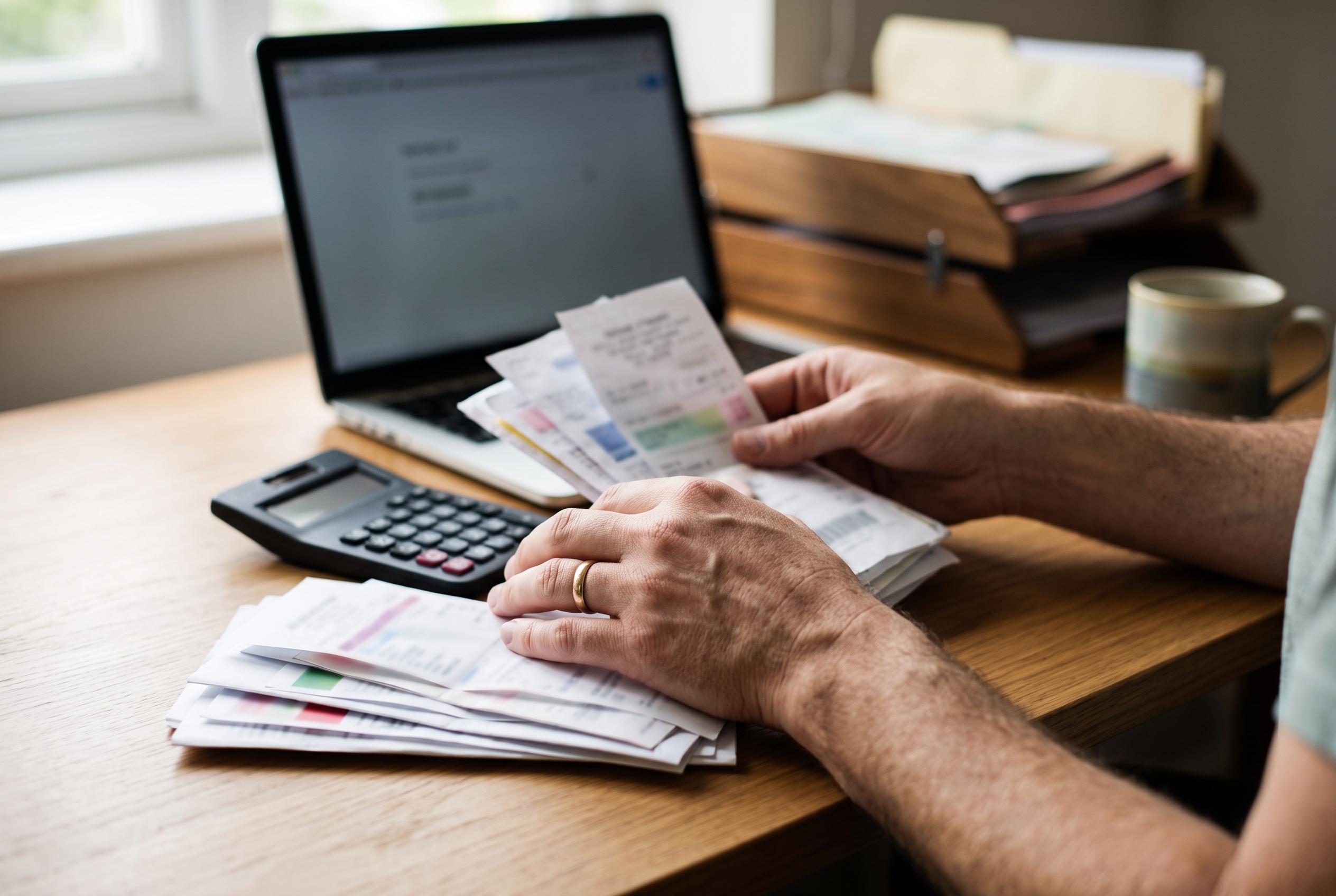

After a summer of indulgence, experts advise planning ahead and adjusting spending habits to prevent debt and rebuild savings, ensuring a smoother financial start to the year.
After a summer of terraces, ice creams, restaurant meals and impulse purchases, the return to everyday life can come with a nasty surprise: the bank balance is thinner than expected. The Dutch personal finance site PorteRenee says the first step is not to pore over every receipt, but to look ahead, check what is coming in and what is due out, and see whether any credit card spending still needs to be settled. Advisers quoted by the site say the aim is to regain control without turning a good holiday into a source of guilt.
Renée Lamboo, who runs PorteRenee, argues that the best response is to reset rather than ruminate. If holiday spending has eaten into savings, she recommends deciding how much can be set aside each month and arranging an automatic transfer back into savings. That approach, she says, works better than trying to reconstruct every tiny expense after the fact.
The next step is to return to a normal spending rhythm. That means doing a full weekly shop again, eating out less often and scaling back the extra indulgences that tend to pile up when routines loosen in summer. Lamboo suggests keeping some leisure spending if people do not want to give it up entirely, but trimming it to a more modest level. She also points to fixed costs such as energy, insurance and broadband, which can often be reduced without affecting day-to-day enjoyment.
The warning most financial experts repeat is to avoid letting a temporary shortfall turn into expensive debt. PorteRenee says overdraft charges at many banks typically run well into double digits, while savings accounts pay far less, making it cheaper to use available cash to clear a negative balance if possible. CBS News in New York and other personal finance outlets make a similar point: if holiday purchases went on a credit card, paying them off quickly or setting up a clear repayment plan can prevent a modest overspend from becoming a long-running problem.
The best time to repair a summer spending hangover, though, may be before next year’s holiday even begins. Lamboo advises adding up the full cost of the trip, including transport and accommodation booked months in advance, then dividing that figure by 12 to work out a monthly saving target. Personal finance guides from NerdWallet and Kiplinger recommend the same broader principle: set a realistic budget, build a separate pot for travel, and keep one eye on the spending you will still need to cover when the holiday is over and normal life starts again.
Disclaimer: This article is intended to inform and educate, not to recommend or endorse any financial product, investment or strategy. Please consider your own financial circumstances and seek professional advice where appropriate before making financial decisions.