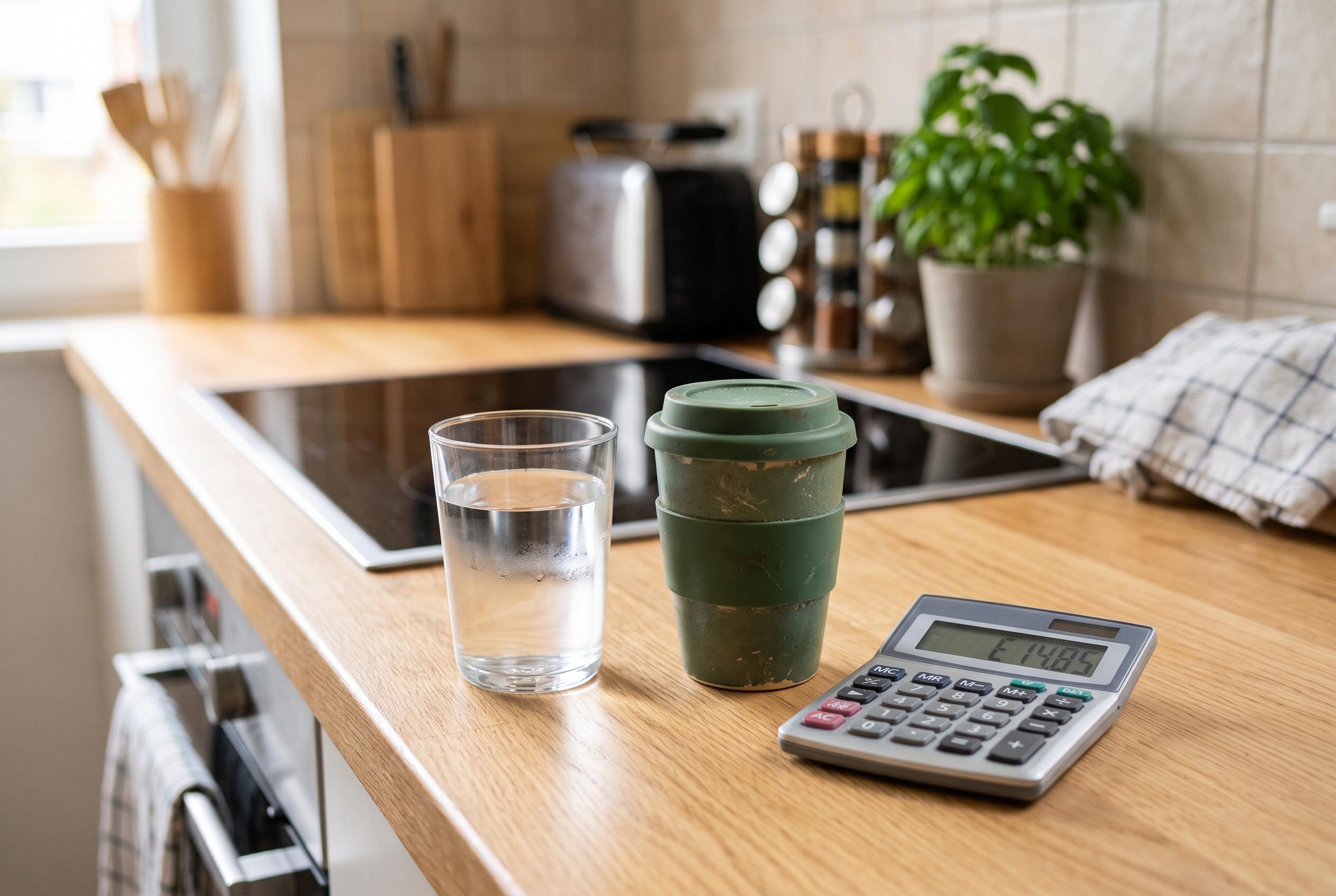

Many households lose money through repeated small purchases like bottled water, coffee drinks, and convenience items. Experts advise evaluating the true value of convenience, redirecting savings to build emergency funds, pay debt, or invest, all while avoiding habits that feel necessary but are routine rather than beneficial.
Many households do not lose money in one dramatic burst; they lose it in a steady drip of small purchases that barely register at the till. Bottled water is a good example. Consumer Reports says extended warranties are usually poor value for most electronics and appliances, and several consumer guides on bottled water point to the same basic conclusion: tap water in the US is generally regulated, while reusable bottles and home filtration can cut costs and reduce plastic waste. The biggest savings often come not from deprivation but from removing habits that have become automatic.
That is the theme running through the rest of the spending traps in the original list: coffee shop drinks, convenience snacks, pre-cut produce, streaming subscriptions, lottery tickets and checkout-line temptations all work because they feel small in the moment. But small, repeated purchases add up quickly. The same is true of brand-name pantry goods, single-use kitchen gadgets, paper towels and decorative buys made simply because something is on sale. What looks like a harmless treat can become a monthly drain when it is tied to routine rather than intention.
The clearest rule is to pay for convenience only when it actually saves time or changes behaviour for the better. That is why pre-cut fruit may be worth it for some households, while meal delivery apps can make sense on an occasional hectic night. But several times a week, the fees, mark-ups and tips turn convenience into a luxury. The same logic applies to premium cable, annual phone upgrades and duplicate items already sitting at home: if the item does not solve a real problem, the purchase is likely to cost more than it returns.
The most useful next step is not to swear off every pleasure, but to redirect the money you stop leaking. Build an emergency fund, pay down high-interest debt or move the savings into long-term investing. That shift matters because the goal is not austerity for its own sake. It is to make room in the budget for the things that truly improve daily life, while cutting the habits that only feel necessary because they have been repeated so often.
Disclaimer: This article is intended to inform and educate, not to recommend or endorse any financial product, investment or strategy. Please consider your own financial circumstances and seek professional advice where appropriate before making financial decisions.