

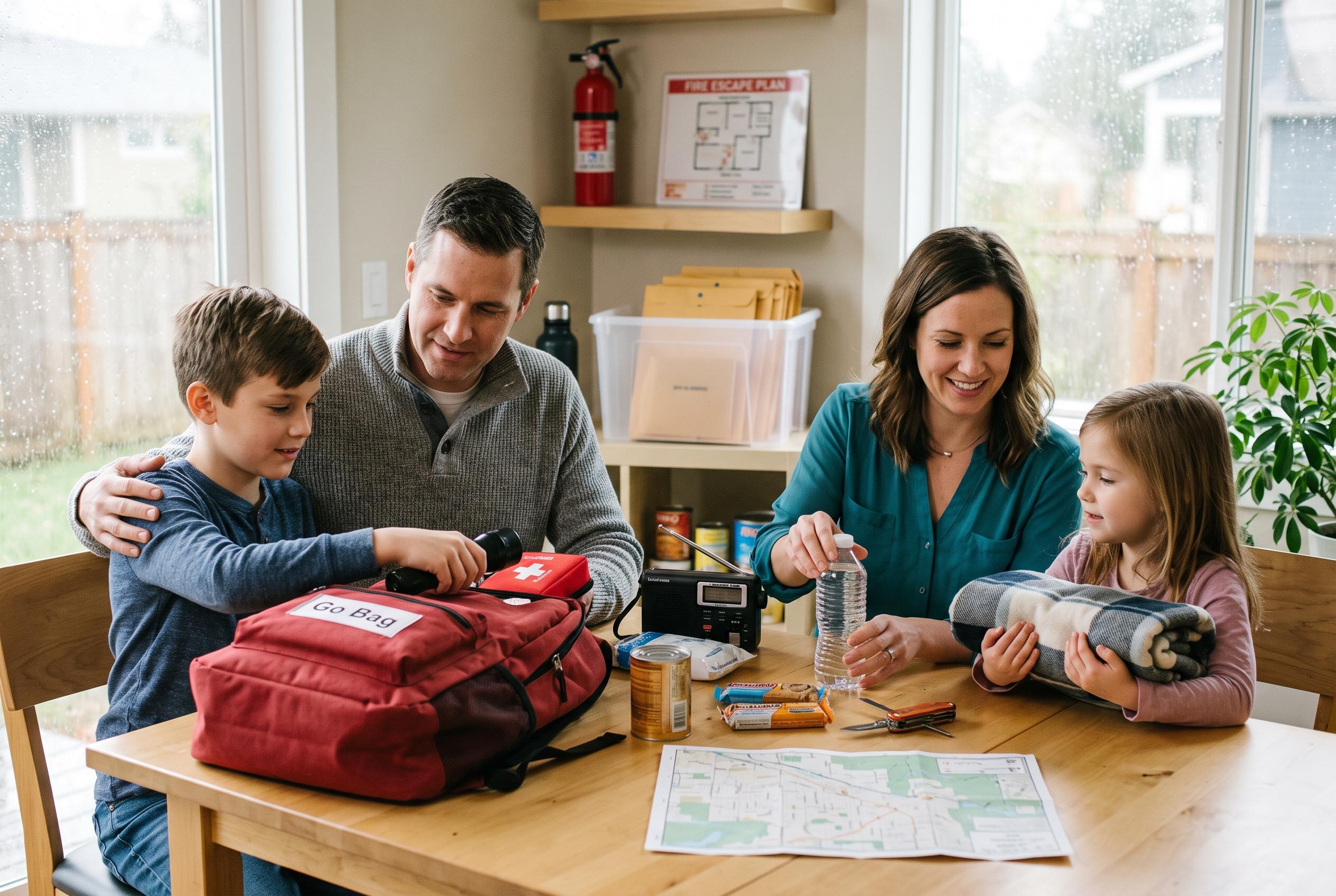

Experts highlight the importance of household emergency plans, secure paperwork, financial buffers, and safety measures to minimise the impact of accidents and disasters on families.
Life is unpredictable, and a serious mishap can upend a household in minutes. A fall, a road crash or an injury in a public place may bring medical bills, lost income and a stressful scramble to keep daily routines going. That is why planning ahead is less about pessimism than about giving a family room to recover when circumstances change.
One useful starting point is an emergency plan that everyone in the household understands. The British Red Cross advises people to think through local risks, agree what each person will do, keep an emergency kit ready, follow official alerts and rehearse the plan regularly. The American Red Cross likewise says families should discuss likely emergencies, assign responsibilities and practise the response so it becomes second nature in a crisis.
Paperwork matters too. The UK Identity Fraud Advisory says key documents such as passports, wills and financial records should be kept somewhere secure, whether that is a home safe or another protected location. It also recommends shredding personal papers before disposal, reducing the chance that sensitive details could be used for fraud or identity theft.
Financial preparation is just as important. An emergency fund covering several months of expenses can help bridge the gap if illness or injury interrupts work. Insurance policies should also be checked carefully at least once a year, including health, auto and home or renters cover. Deductibles, exclusions and limits can make a major difference when a claim is filed, especially after an accident brings repair costs, treatment expenses or time away from work.
Safety at home and in the workplace can reduce the risk of injury before it happens. For those working remotely, that may mean a better chair, a screen at eye level and regular stretching breaks to limit strain. Around the house, simple precautions such as securing loose rugs, improving lighting on stairs and using ladders properly can prevent many common falls. Outside the home, defensive driving and greater awareness in public spaces remain basic but effective habits.
If an injury does occur, careful record-keeping can protect both health and finances. Medical attention should come first, followed by photographs, witness details and a clear file of reports and expenses. When speaking to insurers or property managers, sticking to facts is wiser than guessing or accepting blame. The aftermath can also be emotionally draining, so support from family, friends, community groups or a therapist can help people cope while they recover. In the end, preparation does not remove risk, but it can soften the blow when life takes an unexpected turn.
Disclaimer: This article is intended to inform and educate, not to recommend or endorse any financial product, investment or strategy. Please consider your own financial circumstances and seek professional advice where appropriate before making financial decisions.



