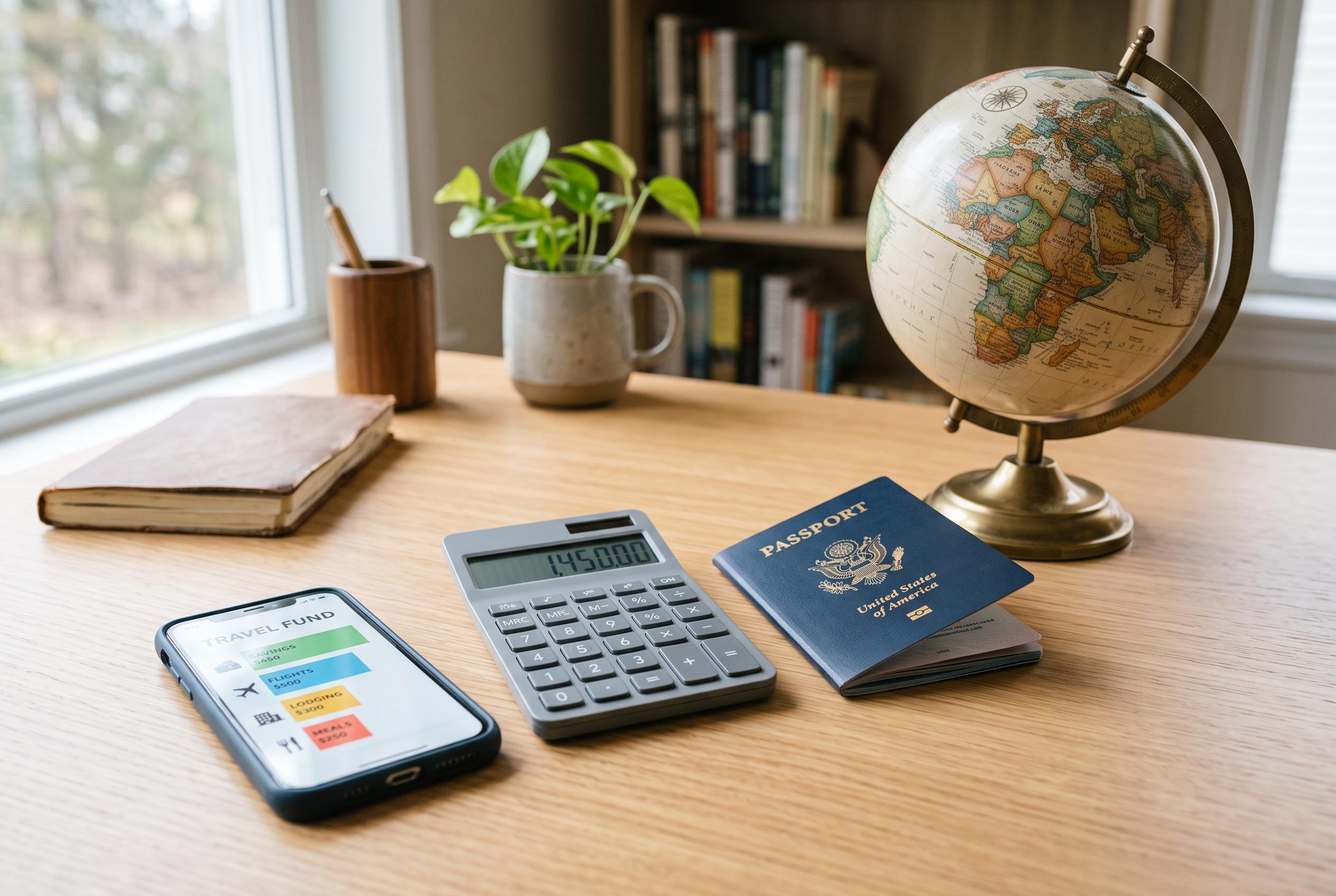

Effective travel budgeting involves comprehensive planning, clear goals, and flexible strategies to keep costs manageable and prevent debt, transforming holiday dreams into achievable plans.
Travel can look affordable at first glance, yet the real bill often grows once the trip begins. Flights and hotels are only the starting point. Meals, local transport, insurance, baggage charges and day-to-day activities can quickly push a holiday beyond the original estimate, according to travel budgeting guides from Beyongo and other planning sites.
That is why the most effective approach begins with a clear goal. A weekend break, a family holiday and a two-week overseas trip each require a very different financial plan. The more specific the destination, timing and trip length, the easier it becomes to judge whether the idea is realistic and how long it will take to save.
A strong budget also needs to capture the full trip cost, not just the headline price. Guides from Beyongo, Wandergo and Wadjaro all recommend listing fixed expenses such as flights, accommodation, visas and insurance before adding daily spending for food, attractions, local transport, shopping and small extras. Several of those guides also advise building in a flexible buffer of 10% to 20% for unexpected costs.
The same logic applies to the rest of a household budget. NerdWallet says any savings goal should sit alongside essential bills, emergency savings and long-term priorities rather than competing with them. For that reason, travel money is best kept separate from both everyday spending and longer-term investments. Using funds set aside for retirement or other future goals can create tax issues, reduce growth and weaken broader financial plans.
Once the total has been estimated, the next step is to turn it into a monthly target. A trip costing $3,000 over 12 months, for example, would require setting aside about $250 a month. If that figure stretches the budget too far, the answer is usually to change the plan rather than force it: travel for fewer days, pick a cheaper destination, or strip back the optional extras.
Keeping the money in a dedicated travel account can make the goal easier to track and harder to raid. Automatic transfers shortly after payday can help build the fund without relying on willpower alone. Many budgeting guides also suggest using windfalls carefully, such as tax refunds, bonuses or freelance earnings, by directing part of that income towards travel and part towards other obligations.
Travellers can often lower the price before they ever think about borrowing. Off-peak dates, alternative airports, simpler accommodation and public transport can all trim the total. That matters because borrowing for a non-essential trip can make a holiday far more expensive if balances are carried or instalments pile up. A trip should leave behind memories, not lingering debt.
In the end, the most accessible travel plan is usually the one that was prepared in advance. A realistic estimate, a separate savings pot and regular review of costs can turn a wish-list break into something manageable. As the Rebel Chick argues, the aim is not luxury for its own sake, but a trip that fits the traveller’s real financial position.
Disclaimer: This article is intended to inform and educate, not to recommend or endorse any financial product, investment or strategy. Please consider your own financial circumstances and seek professional advice where appropriate before making financial decisions.