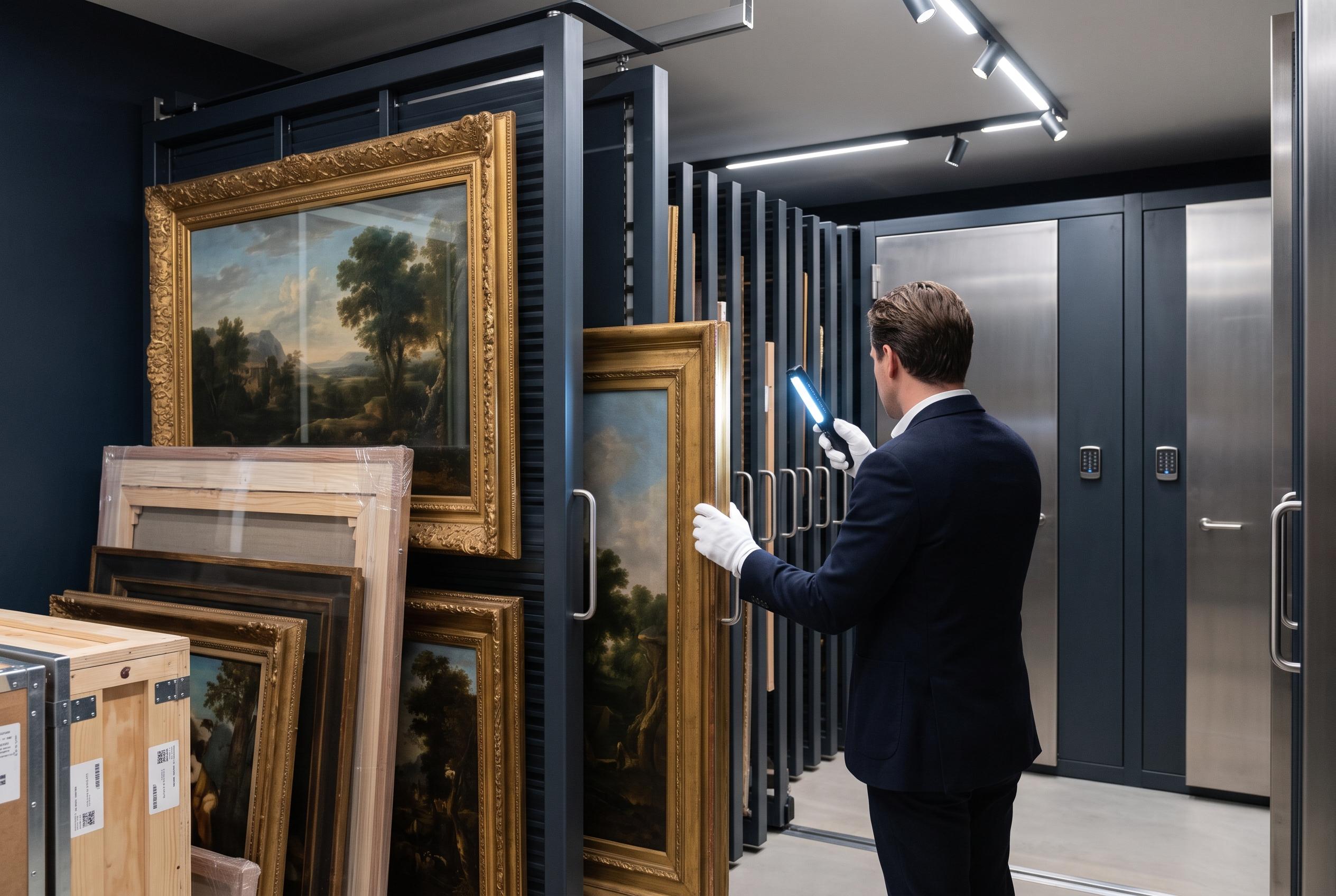

As art collections grow in value and complexity, collectors are advised to adopt specialised insurance strategies, including regular valuation and bespoke policies, to safeguard their investments against theft, damage, and legal disputes.
For collectors, the question is not whether an art collection is worth protecting but how to do it properly. Standard home insurance often falls short for higher-value works, according to guidance from Progressive and other insurers, leaving gaps for theft, accidental damage, loss in transit or items whose value exceeds policy limits. For anyone building a serious collection, specialist cover can mean the difference between a manageable claim and a major financial hit.
The starting point is valuation. Insurers and art advisers alike say collectors should keep track of an artwork’s artist, provenance, age, condition and purchase history, and update those records regularly as the collection grows. The Hanover Insurance Group recommends maintaining a digital archive with photographs and ownership documents, while Alan Boswell Group says regular appraisals are essential to make sure the insured value still reflects the market. That matters because fine art prices can move sharply over time, and underinsurance is a common problem.
Collectors also need to choose the right structure. Progressive says valuable pieces can be added to an existing policy through scheduled endorsements, sometimes called riders, while a standalone fine art policy may be better suited to larger or more complex holdings. Alan Boswell Group notes that collections can include antiques, sculpture and even comic books, which may require bespoke terms. Coverage should be checked closely for exclusions, including wear and tear, and collectors should ask whether new acquisitions are automatically covered for a short period after purchase.
There is also a legal side to insuring art that is easy to overlook. Alan Boswell Group and The Hanover both stress the value of defective title cover, which can help if a buyer later discovers a work was stolen before it was sold. Keeping receipts, appraisals and high-quality photographs can speed up claims and reduce disputes over ownership. Progressive says premiums often run at about 1% to 5% of a work’s value each year, a cost that may seem modest compared with the losses a single uninsured claim could bring.
Disclaimer: This article is intended to inform and educate, not to recommend or endorse any financial product, investment or strategy. Please consider your own financial circumstances and seek professional advice where appropriate before making financial decisions.