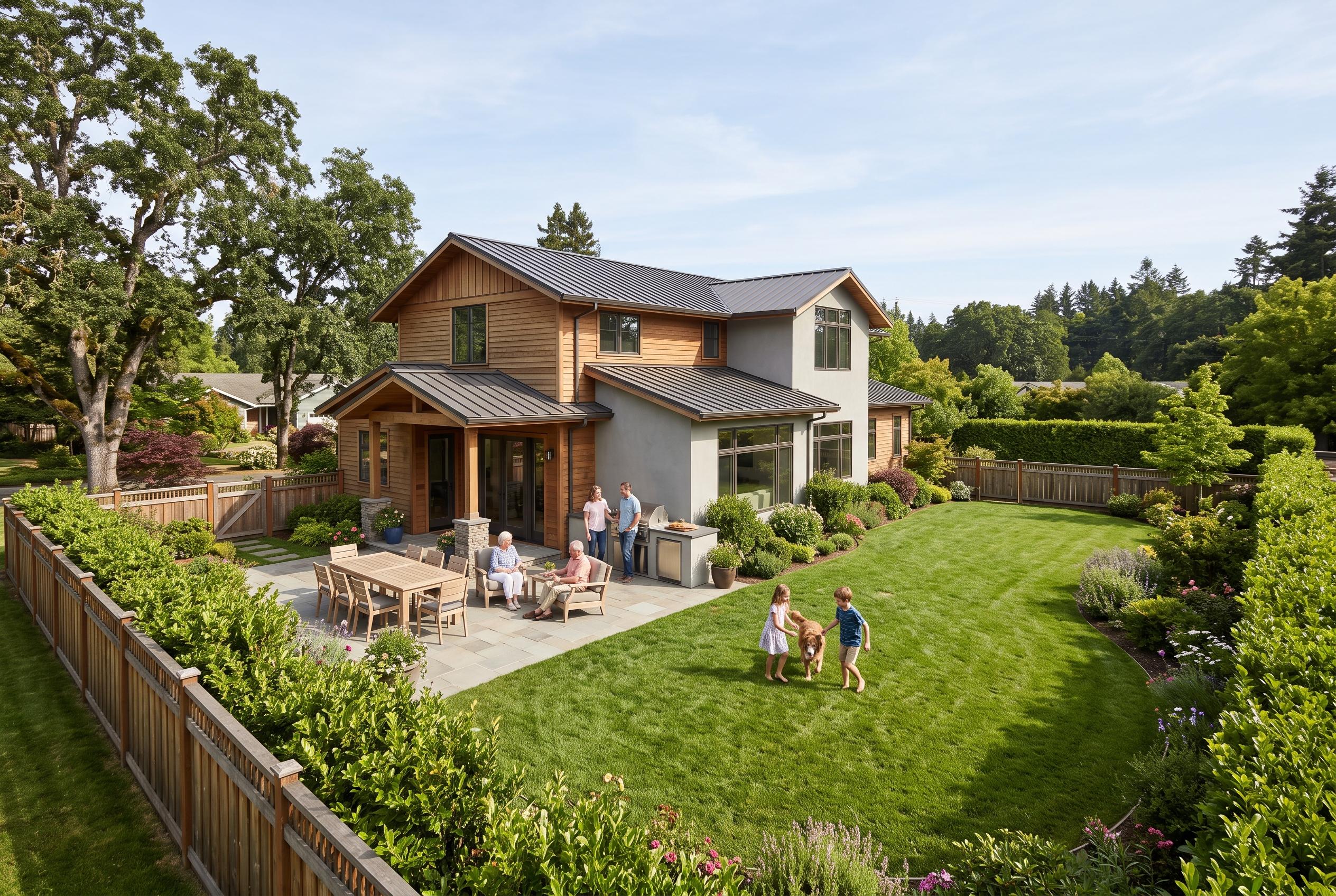

As practical needs and financial pressures grow, families are increasingly enhancing their land assets to sustain wealth and support multigenerational households, emphasising careful ownership structuring amidst rising inheritance disputes.
Families with land to their name are increasingly looking at property not just as shelter, but as a way to preserve wealth across generations. That shift is being driven by a mix of practical needs and financial pressure: more households are sharing space across generations, while older owners are also thinking harder about how an asset will be divided, used and maintained after they are gone. According to the material prepared by Triple Crown Homes and reviewed by Stacker, the strongest case for improving land that a family already owns is that it can serve both day-to-day living needs and long-term wealth preservation.
The argument for investing in the existing property is not simply emotional. Research cited in the report points to a strong link between wealth at the grandparent level and the later financial position of grandchildren. A study covering nearly 50 years found that a one-decile increase in grandparental wealth was associated with a 2.3 percentile rise in a grandchild’s adult wealth rank, a much larger effect than the 0.4% lift tied to a similar gain in parental wealth. That kind of inheritance effect helps explain why landowners may see value in improving a property they already control rather than selling up or spreading assets too thinly across generations.
What families choose to build matters. Data from Zonda suggests exterior projects and material upgrades tend to recover more of their cost than many interior renovations, with examples such as manufactured stone veneer and garage door replacement showing especially strong returns. The National Association of Realtors’ Remodeling Impact report also gives a bedroom suite addition a top “joy score”, while noting that conversions of existing structures into livable space can often recoup a meaningful share of their cost. In practice, that means a family weighing a renovation for multigenerational living may get the best long-term result from adding usable space rather than focusing only on cosmetic changes.
The broader backdrop makes careful planning even more important. MoneyWeek has reported a rise in inheritance disputes over the past five years, while Urban Institute research on heirs’ property warns that unclear ownership can leave families vulnerable to conflict and even loss of land. At the same time, Kiplinger has argued that wills and trusts alone are often not enough for the coming wealth transfer, pointing instead to the need for lifetime planning, heir involvement and clearer governance. For families improving land they already own, the central challenge is no longer just what to build, but how to structure ownership so the property remains both useful and durable across generations.
Disclaimer: This article is intended to inform and educate, not to recommend or endorse any financial product, investment or strategy. Please consider your own financial circumstances and seek professional advice where appropriate before making financial decisions.