

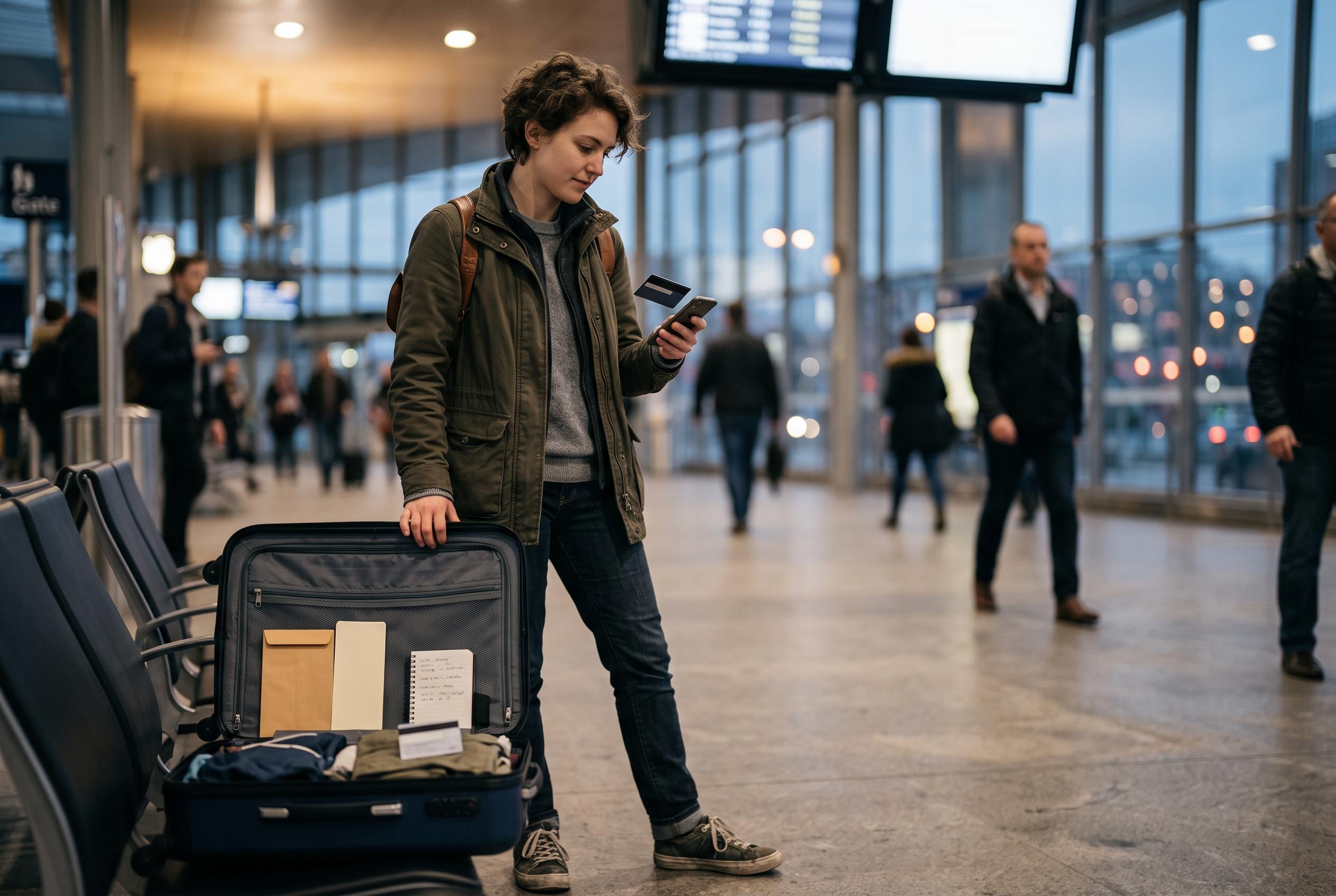

As more young travellers plan trips centred around concerts, races, and matches, experts emphasise meticulous budgeting, balancing fixed costs with discretionary spending and employing smarter payment methods to avoid financial pitfalls.
For many young travellers, the point of an overseas trip is no longer simply to see a city. A concert, a Formula One race or a marquee football match can be the real reason to book the journey in the first place. But as financial planners increasingly warn, the ticket is often the smallest part of the bill. Once flights, accommodation, visas, food, transport and a few planned extras are added, a trip built around one event can quickly move from aspirational to expensive. Travel budgeting guides from Moneycomon, TravelMoney Help and other planning resources all recommend starting with the full trip cost, then separating fixed expenses from those that can still be adjusted.
That approach matters because event-led travel leaves little room for improvisation. Flights, hotel bookings, event tickets and visa costs are usually fixed well before departure, while meals, sightseeing, shopping and local transport can still be controlled on the ground. A practical way to budget is to classify spending into essentials and discretionary items, then decide in advance how much of the total trip budget is already committed before leaving India. Trip budgeting guides from TravelMoney Help and TripCostGuides say this structure helps travellers avoid the common mistake of treating the event ticket as the main expense rather than one part of a broader holiday.
The same logic applies to daily spending abroad. Planning starts with an estimate of how much money will actually be needed on the ground, not with the question of how much foreign currency to buy. Budgeting guides from Spendsnap and Hakaru recommend building a daily allowance for food, transport and incidental purchases, then adding a contingency buffer rather than assuming the trip will stay perfectly on budget. They also note that first-time travellers often underestimate food and small incidentals, which can quietly push the final bill higher than expected. Travelling with others can reduce some costs, but each traveller still needs an individual ceiling for personal spending.
Payment method choices can also make a meaningful difference. Cash remains useful for small merchants, tips and local markets, while cards are often more convenient for hotels, restaurants and bigger purchases. Bagree said travellers should carry enough cash for the first two or three days and keep the rest on a travel card or another suitable international payment option, with a backup card stored separately. He also warned against focusing only on cards marketed as zero-forex products, because fees can still arise from exchange-rate mark-ups, ATM withdrawals, reloads and cross-currency charges. For many travellers, the sensible answer is a combination of cash and cards, not one or the other.
Another cost trap is dynamic currency conversion, where a merchant or ATM offers to charge the bill in rupees instead of the local currency. Travel budgeting guides and Bagree both advise checking the final amount carefully and, when appropriate, choosing to pay in local currency rather than accepting a conversion at the terminal. The same caution applies to ATM withdrawals: bank-operated machines are usually the safer option, and fewer, larger withdrawals can be cheaper than repeated small ones if fixed fees apply. On top of that, Indian travellers should remember that authorised forex providers offer cash within regulatory limits, but airport exchange counters are usually best reserved for emergency needs because their rates are often less competitive.
Perhaps the most important safeguard is an emergency fund that is kept separate from ordinary spending money. Budgeting resources commonly recommend setting aside 10% to 15% of the total trip cost for disruptions such as flight changes, missed connections, card problems, baggage delays, medical expenses or last-minute accommodation. For an event trip, that reserve matters even more because the date is fixed: if a flight is missed or a connection fails, the replacement can be costly and the event itself may be non-refundable. The best discipline, planners say, is to build the trip backwards from savings, set the budget before buying the ticket and decide in advance how much of the total is reserved for the event itself.
Disclaimer: This article is intended to inform and educate, not to recommend or endorse any financial product, investment or strategy. Please consider your own financial circumstances and seek professional advice where appropriate before making financial decisions.



