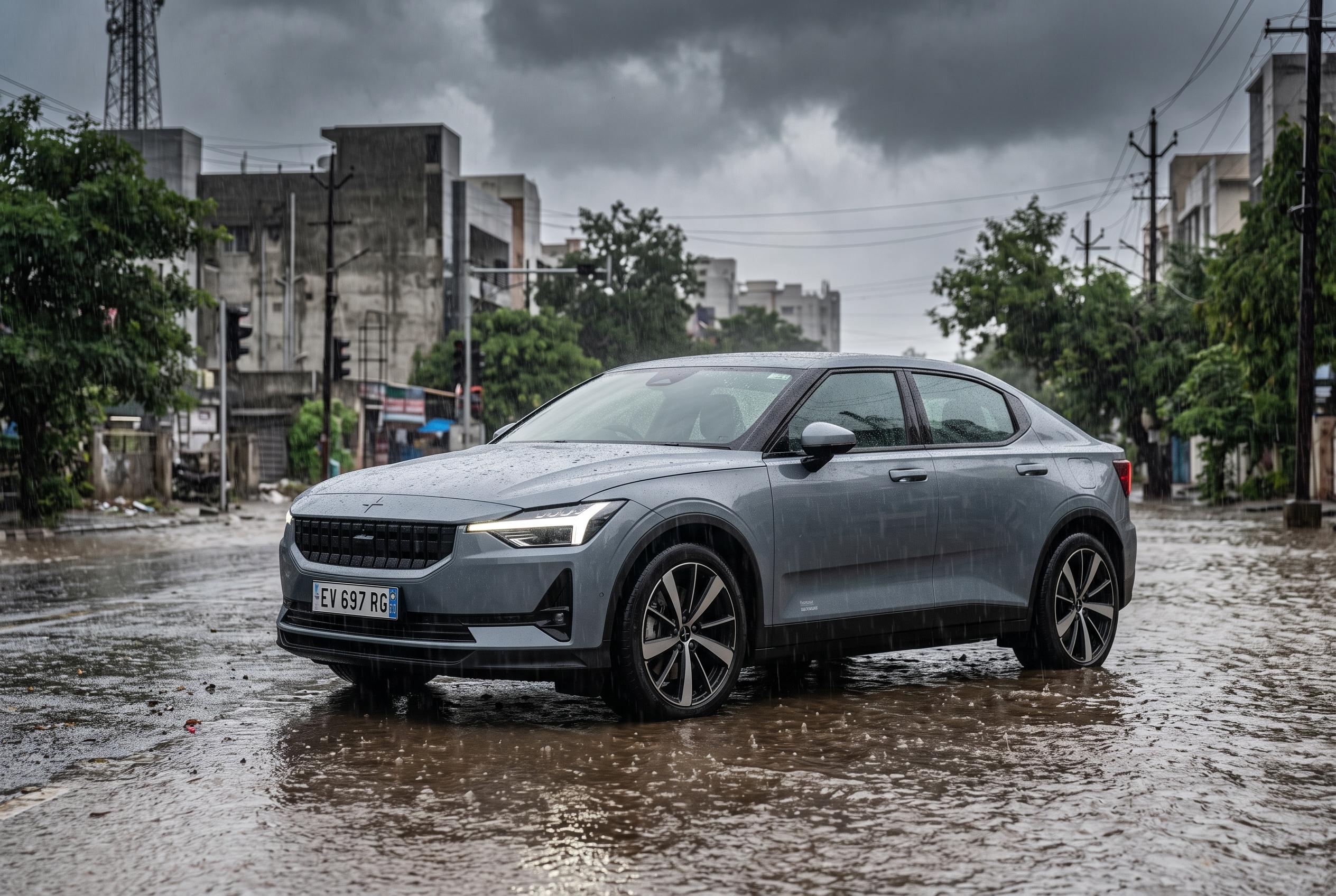

As monsoon rains intensify, insurers introduce specialised add-ons for EV owners to cover costly battery and electrical components, highlighting a shift towards tailored flood protection amid rising water-related risks.
For buyers weighing an electric car, the key insurance question is not whether EV cover exists but how it differs in practice from cover for petrol or diesel models. In basic terms, it does not: an EV still needs third-party liability cover and can be insured under a comprehensive policy that protects against accidents, theft, fire and natural disasters. But, as monsoon conditions worsen the risks of flooding, water ingress and roadside breakdowns, the specialist hardware inside an EV makes the case for extra protection stronger.
According to Gaurav Arora, chief for commercial lines and motor underwriting and claims at ICICI Lombard, the core structure of motor insurance is the same for internal combustion engine vehicles and EVs. The difference lies in what is at stake. EVs rely on costly components such as lithium-ion batteries, electric motors, battery management systems and charging equipment, all of which can be more vulnerable to moisture and much more expensive to repair or replace than many conventional parts.
That is why insurers and consumer finance guides repeatedly point to a short list of useful add-ons for EV owners. Battery protection is one of the most important, covering damage linked to water ingress, short circuits and moisture. Zero depreciation cover can also be valuable because it limits the effect of wear-and-tear deductions on claims. Roadside assistance matters too, particularly if a car is stranded in floodwater or suffers a breakdown far from home. Other add-ons often recommended for newer or higher-value EVs include return to invoice, which can help recover the vehicle’s original purchase price in a total-loss or theft scenario, and tyre protection, which can be useful in monsoon months when potholes and submerged hazards become more common.
Consumer articles from LiveMint, Acko and HDFC Ergo make a similar point for all cars: a comprehensive policy is a strong starting point, but it does not always cover every rain-related problem, especially damage linked to the engine in non-EVs or to specialised EV components. Some insurers are also trying to make cover more responsive during extreme weather, with ICICI Lombard saying it sends weather-based alerts to customers using forecasts from credible authorities. For anyone buying an EV, the lesson is simple: compare the standard policy carefully, then look closely at add-ons that reduce the cost of battery, electrical and flood-related damage before the first heavy rain arrives.
Disclaimer: This article is intended to inform and educate, not to recommend or endorse any financial product, investment or strategy. Please consider your own financial circumstances and seek professional advice where appropriate before making financial decisions.