

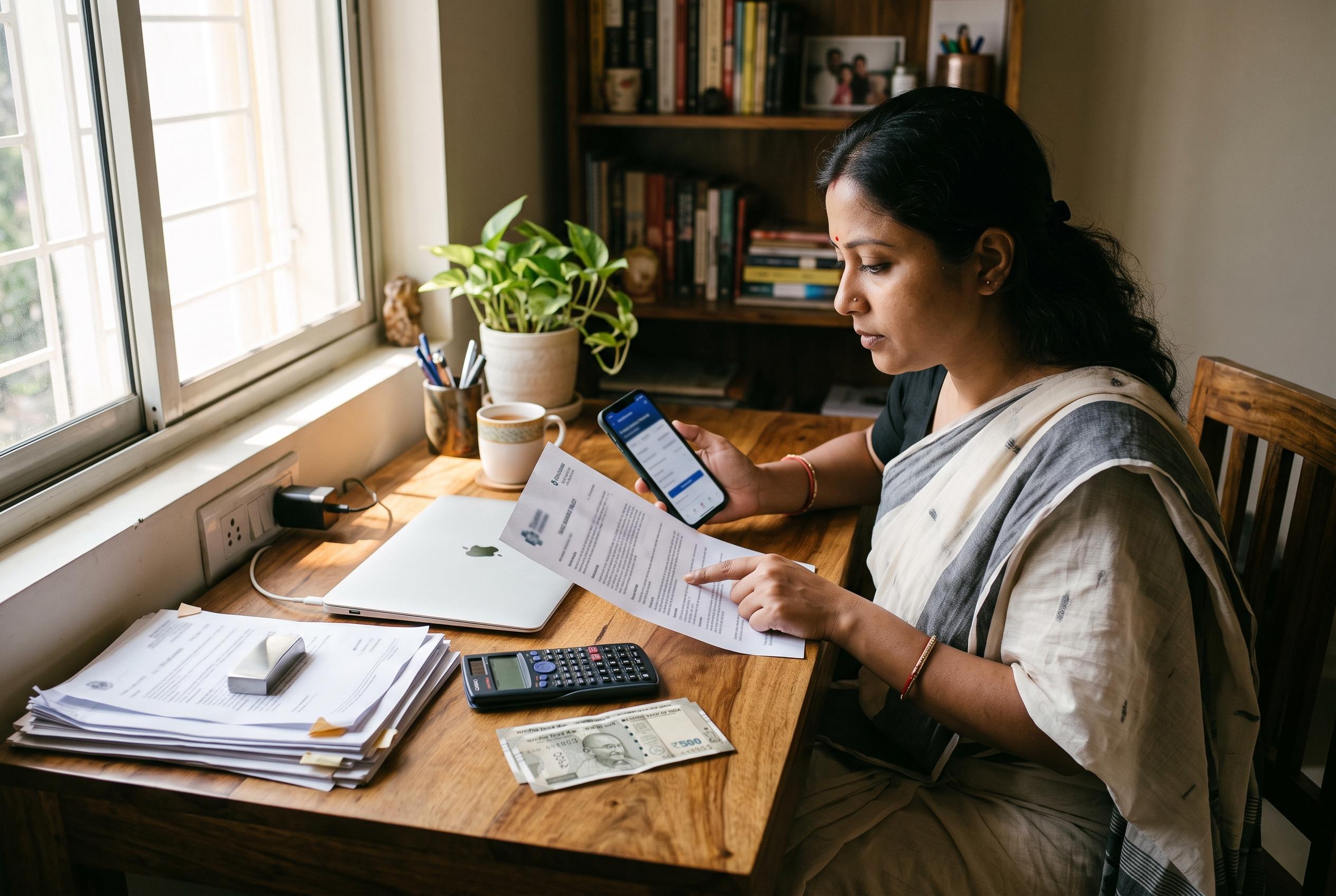

While travelling within India may seem straightforward, travellers face significant financial risks from delays, cancellations, and baggage issues. Proper domestic travel insurance can mitigate these costs, but understanding policy scope and exclusions is essential.
Travelling within India may seem simpler than an overseas trip, but domestic journeys still carry real financial risk. A missed connection, an illness, a delayed bag or a cancelled booking can quickly turn a short break into an expensive problem. Guidance from the Insurance Regulatory and Development Authority of India says travel insurance products commonly include medical cover, personal accident protection and baggage-related benefits, though the exact scope depends on the policy.
Domestic travel insurance can be useful because it is designed to soften the cost of those disruptions. Insurers and airline add-ons commonly advertise cover for emergency medical treatment, trip cancellation, travel delay, checked baggage loss or delay and, in some cases, evacuation or assistance services. Air India, Air India Express, IndiGo and other providers all market products with similar themes, but the sums insured, exclusions and claim conditions vary widely.
Medical cover is one of the clearest reasons to consider a policy. Even a routine domestic trip can involve an accident, sudden illness or the need for treatment away from home, where expenses may mount quickly. A policy may reimburse eligible hospital costs or emergency transport, but travellers should check for exclusions tied to pre-existing conditions, age limits, planned activities and waiting periods. Acko and IndusInd Insurance both stress that policy wording matters as much as the headline benefits.
Delays and cancellations can also have a knock-on effect. A late flight or train may mean extra meals, an extra night in a hotel or missed prepaid activities. That is why insurers often attach delay thresholds and documentation requirements before any claim can be paid. Where a trip is cancelled for a covered reason, insurance may help recover non-refundable costs, but it is not a substitute for refunds that can be claimed directly from an airline, hotel or booking platform. AirSewa, the Ministry of Civil Aviation’s grievance and information portal, can also be useful when aviation problems need to be escalated.
Baggage problems are another risk on domestic routes. Checked bags can be delayed, damaged or lost, leaving travellers to buy essentials before the airline resolves the issue. Many policies offer some form of baggage delay or baggage loss benefit, but only if the traveller keeps the right paperwork. A baggage tag, airline report, booking details and receipts for replacement purchases are often essential to support a claim.
Families and business travellers may have the most to gain from checking cover carefully. When several people are booked together, one disruption can affect the whole itinerary and the total value at risk rises quickly. For work trips, fixed meetings and tight schedules can make even a short delay costly, although insurance will not make up for every missed appointment. Before buying cover, it is sensible to check whether an employer already provides travel insurance, whether adventure activities are included, what excess applies and how claims must be documented. In practice, domestic travel insurance is most useful when the trip is pre-paid, complex or difficult to absorb financially if something goes wrong.
Disclaimer: This article is intended to inform and educate, not to recommend or endorse any financial product, investment or strategy. Please consider your own financial circumstances and seek professional advice where appropriate before making financial decisions.



