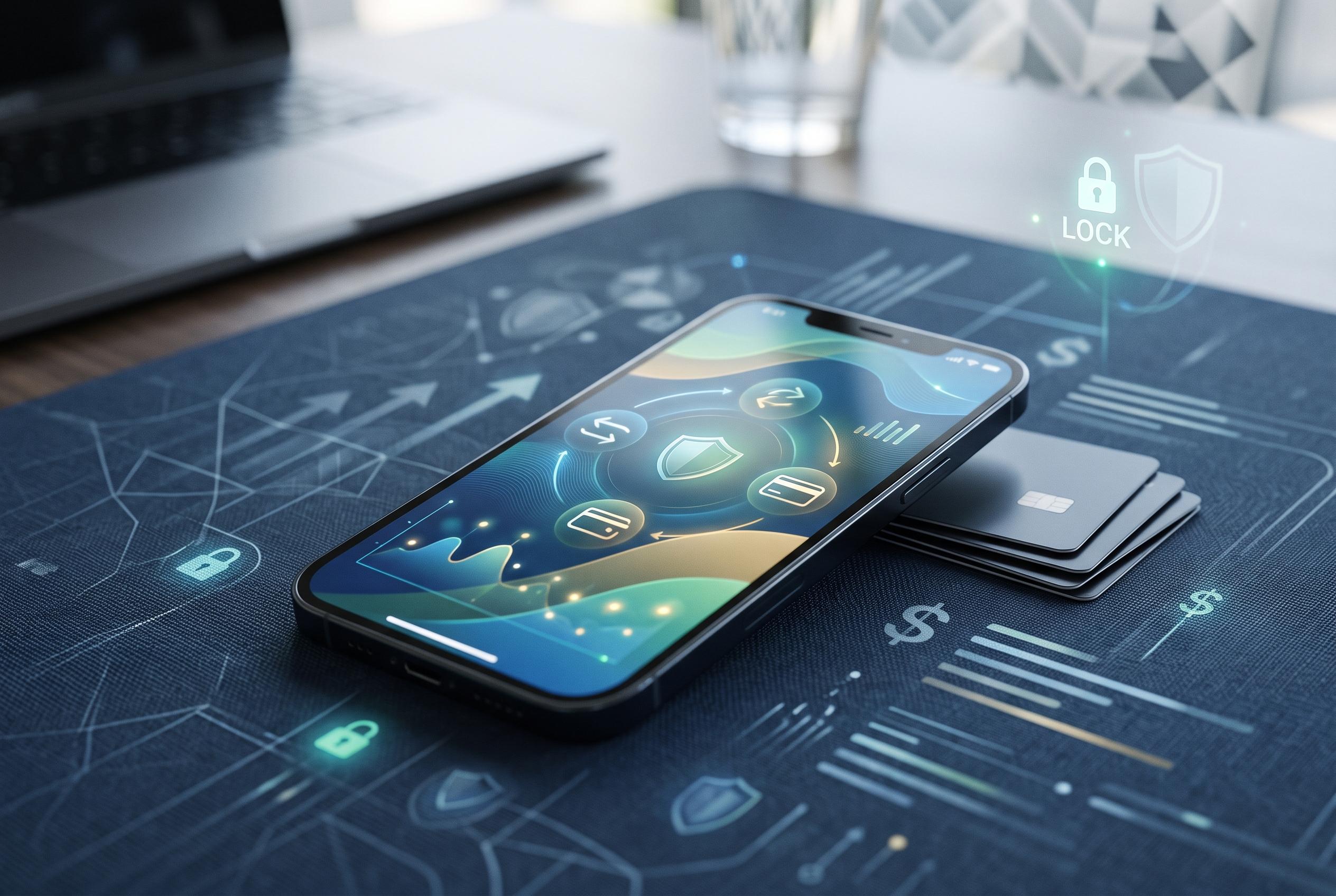

As digital wallets become the norm for everyday spending, experts highlight their enhanced security features while warning of vulnerabilities, emphasising good digital hygiene remains essential.
Digital wallets have become more than a convenience feature; for many users, they now function as a practical security layer as well. Unlike a physical card, a phone or smartwatch used for payment is typically protected by a passcode, fingerprint or facial scan, which makes casual theft less useful. Research and consumer guidance from payment providers and financial groups also point to tokenisation, a system that substitutes a random code for the real card number during a transaction, as one of the main reasons mobile payments are considered safer than swipe-based card use.
That extra protection matters because a stolen card can still be used for small purchases, often without much scrutiny from merchants. By contrast, a thief with only your device is likely to be blocked unless they can unlock it. Digital wallet providers also stress that the payment data stored on the device is not usually the same as the actual card number, which limits what fraudsters can do even if a transaction token is intercepted.
There are still drawbacks and risks. Curve, which offers a digital wallet service, warns that phone theft, phishing scams and weak security at some banks can undermine the benefits. The company and other security advisers say users should keep biometric authentication switched on, update their devices regularly and use strong verification methods wherever possible. Microsoft and Skrill have made similar recommendations, framing digital wallets as safer than carrying cards but not as a substitute for basic digital hygiene.
Convenience is another major reason for the rise of mobile payments. According to PayPal, more than half of Americans used digital wallets more often than traditional payment methods in 2023. RCU, a credit union, says major retailers including McDonald’s, Walgreens and Target accept them, adding to their appeal for everyday spending. Users also avoid the nuisance of carrying several cards or realising too late that they have left their wallet at home.
Even so, the shift to digital payments is not risk-free. Engadget notes that storing payment details in one place can reduce exposure, but every website or service that saves card information creates another possible point of failure if it is hacked. The trade-off, then, is not between perfect security and none at all, but between a system that narrows the attack surface and one that still depends on good account habits, secure devices and careful use.
Disclaimer: This article is intended to inform and educate, not to recommend or endorse any financial product, investment or strategy. Please consider your own financial circumstances and seek professional advice where appropriate before making financial decisions.