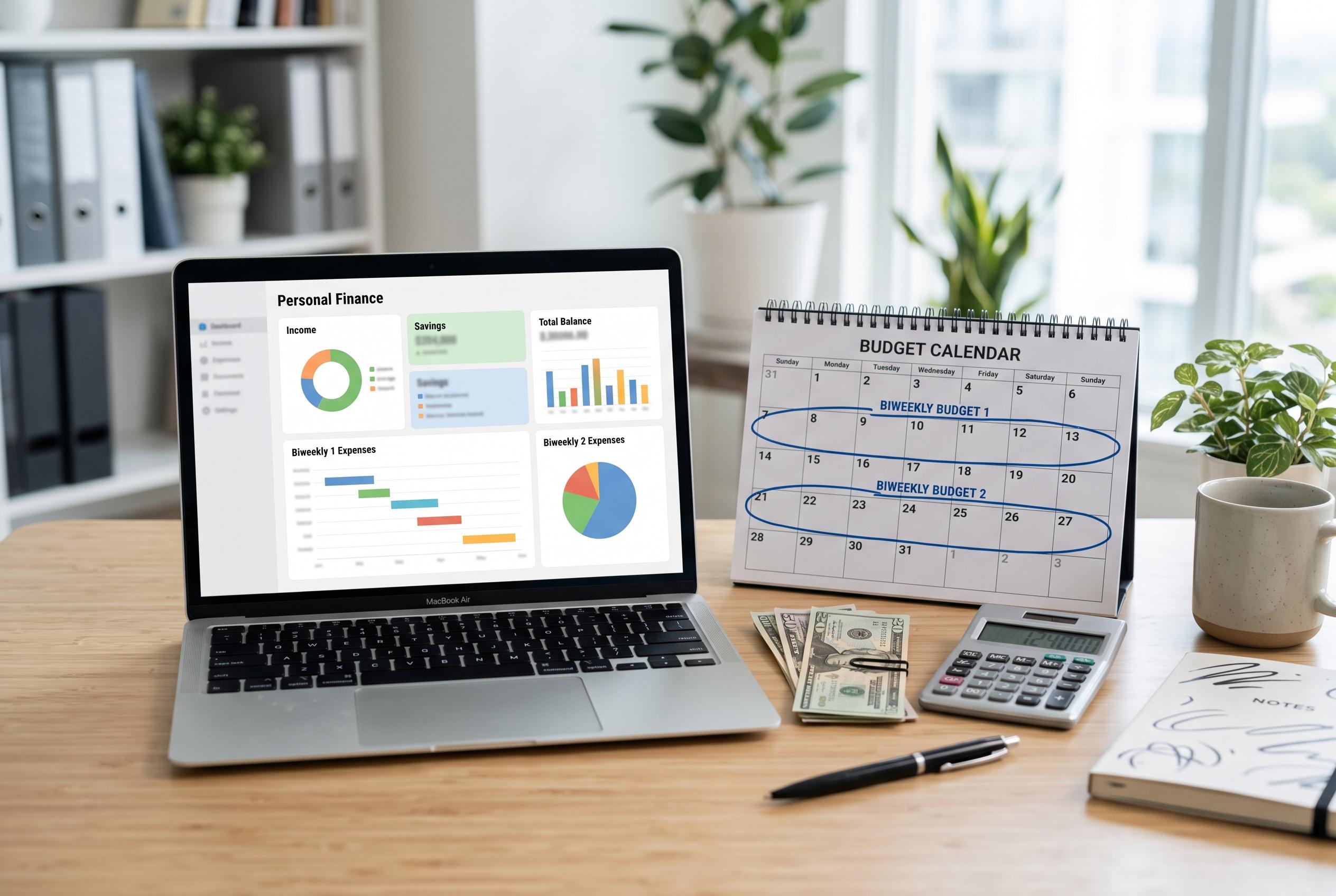

A practical approach for paychecks received every two weeks, biweekly budgeting helps households better manage cash flow, plan for irregular expenses, and build savings with greater discipline.
A biweekly budget is built around a 14-day pay cycle, making it a practical tool for households that receive wages every two weeks and need to match spending to cash flow. Rather than treating an entire month as one block, the approach breaks income and expenses into shorter planning periods so bills, day-to-day spending and savings goals can be assigned more deliberately. Money Bliss says the method is especially useful for people trying to stay ahead of monthly obligations while keeping enough cash on hand for the next pay date.
The appeal is straightforward: a biweekly budget can make money feel more manageable. Experian advises starting with a full list of expenses, separating essentials from discretionary spending and building a calendar that shows exactly when money arrives and when bills leave the account. That structure matters because biweekly pay does not always line up neatly with rent, utilities or other monthly charges. FinancialAha! notes that biweekly workers typically receive 26 pay cheques a year, which means two months usually include a third pay cheque, creating an opportunity to strengthen savings or reduce debt.
A strong biweekly budget also depends on a buffer. Several budgeting guides recommend setting aside enough to cover at least a portion of living costs before trouble hits, so a surprise repair or medical bill does not derail the whole plan. Experian and PayPal both stress that the process works best when income, fixed bills and variable costs are tracked consistently and matched to specific pay periods. For many households, the simplest structure is to treat each pay cheque as having a job before the money is spent.
Once the basics are mapped out, the next step is discipline. Clever Girl Finance recommends a clear sequence: understand the pay cycle, build the budget, track spending and adjust as needed. That usually means assigning priority to essentials first, then dividing the remainder among groceries, transport, sinking funds and savings. Surplus Budget and FinancialAha! both point out that a per-paycheque plan can be especially helpful for irregular expenses such as insurance, annual fees or seasonal costs that can otherwise be overlooked until they arrive.
The biggest mistake, according to the guides, is treating a pay cheque as disposable the moment it lands. Biweekly budgeting works best when spending is paced across the full two weeks and any extra money is directed towards a goal, whether that is debt repayment, an emergency fund or getting a month ahead on bills. For households paid on this schedule, the method is less about restriction than control: a way to make income, bills and savings fit together more predictably.
Disclaimer: This article is intended to inform and educate, not to recommend or endorse any financial product, investment or strategy. Please consider your own financial circumstances and seek professional advice where appropriate before making financial decisions.