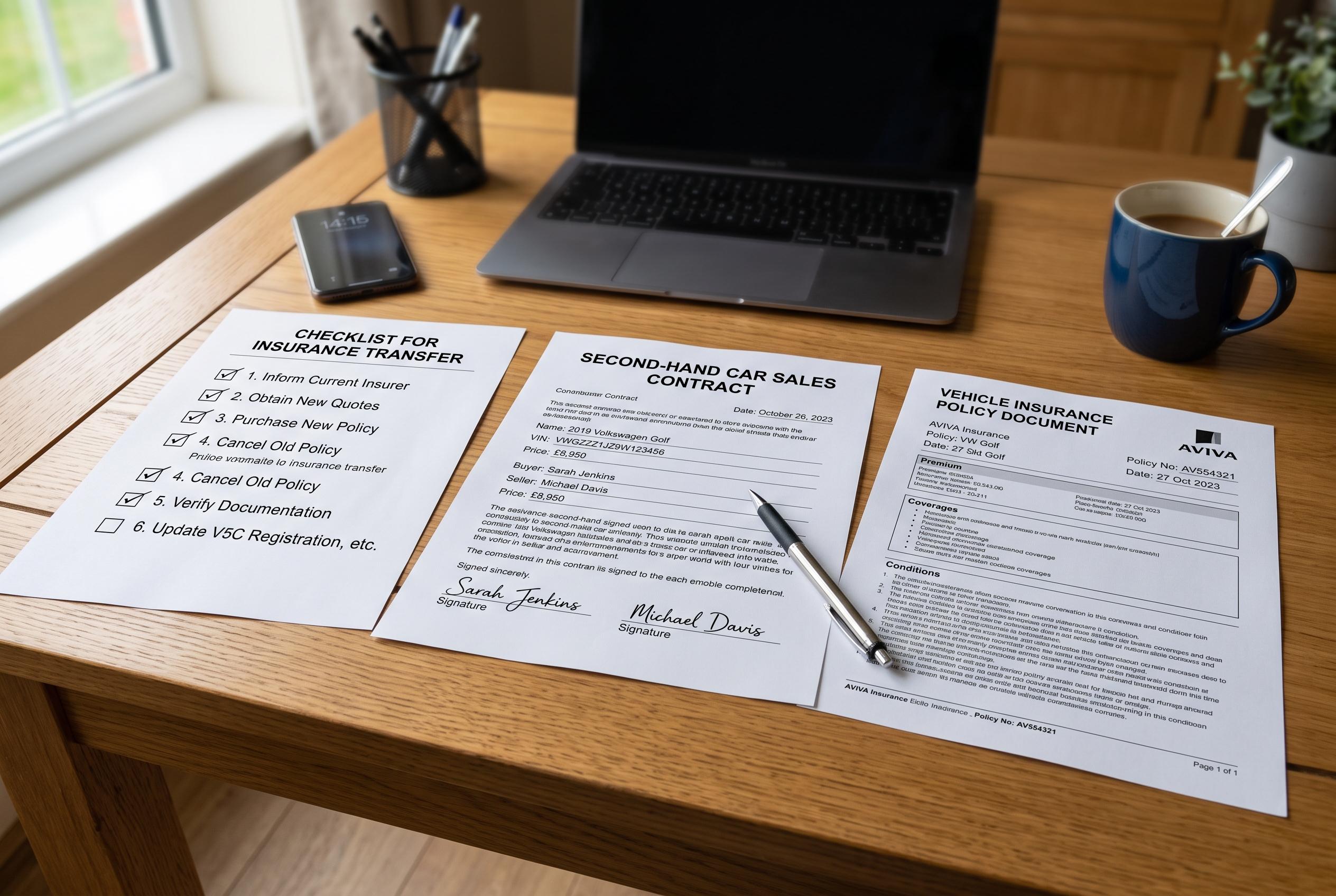

Buying a second-hand car involves more than just inspecting the vehicle; understanding the insurance transfer process, claims history, and policy options is vital for buyers to secure their investments and avoid potential pitfalls.
Buying a second-hand car is not just about checking the engine, paintwork and paperwork. The insurance attached to the vehicle can be just as important, because a change of ownership can affect cover, claims and future renewal terms. According to Chandigarh Metro, buyers should pay close attention to the no-claim bonus, policy transfer rules and any earlier claims before taking delivery.
The no-claim bonus belongs to the policyholder, not the car, so it does not automatically move to the new owner. Insurance specialists cited in related guidance say the bonus is a reward for claim-free years and can reduce the own-damage premium, often rising over time from 20% to as much as 50%. The seller may be able to keep that benefit for another eligible vehicle, but the buyer needs a policy in their own name.
Once the sale is complete, the insurance record must be updated to reflect the new owner. Chandigarh Metro notes that this is important for linking the registered keeper, the insured person and the vehicle itself. The insurer should be notified promptly, and the revised policy schedule should show the buyer’s name, address and ownership details accurately. That helps avoid disputes later if a claim is needed.
Previous claims on the car may not become part of the buyer’s personal insurance history, but they can still tell an important story about the vehicle. Heavy repair work, accident damage or replaced parts may influence how an insurer assesses the car. Buyers are better protected if they ask for claim records, invoices and repair details before agreeing to the purchase.
Timing also matters. Industry guidance from insurers says the transfer should be handled soon after the sale, not left until renewal. Delays can complicate own-damage claims and raise questions over insurable interest, especially if the vehicle is driven before the paperwork is updated. Buyers should keep copies of the sale papers, transfer forms and any insurer acknowledgements until the revised policy is issued.
There is also a practical choice to make between transferring the existing policy and arranging a fresh one. A transfer may be enough if the current cover still fits the vehicle, but a new policy may make more sense if the buyer wants different add-ons, a revised insured declared value or broader protection. In either case, the safest approach is to compare the policy terms, confirm the cover is valid and review the car’s insurance history alongside its service record before handing over the money.
Disclaimer: This article is intended to inform and educate, not to recommend or endorse any financial product, investment or strategy. Please consider your own financial circumstances and seek professional advice where appropriate before making financial decisions.