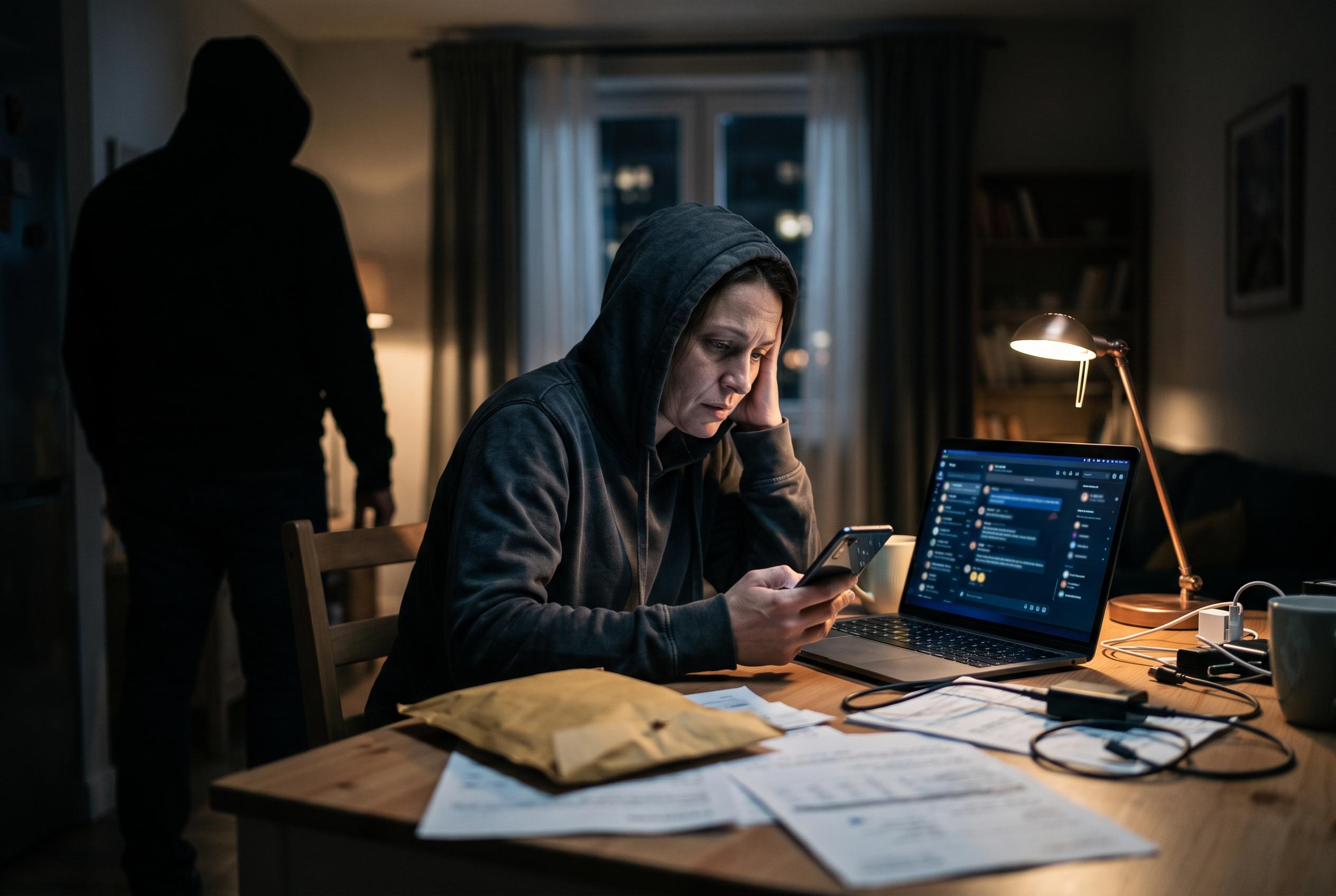

Victims of AI-enabled loan scams in Russia and Ukraine face threats of extortion and humiliation, highlighting a surge in digitally powered financial crimes and the use of deepfake technologies to manipulate personal data.
What begins as a small, fast online loan can, for some borrowers, turn into a campaign of intimidation, extortion and humiliation. According to the Russian-language report on FiNE NEWS, victims say they were drawn in by promises of instant cash with minimal checks, only to face threats soon after missing a repayment deadline. The alleged lenders used AI tools to fabricate intimate images and then threatened to send them to relatives, friends and employers unless the borrower paid up.
The report says one woman, Maria, was bombarded with violent threats after falling behind on a loan, while another borrower, Olesya, said she took out 10,000 roubles and was later told to repay 70,000. In the account published by FiNE NEWS, the pressure did not stop at phone calls: the operators allegedly warned they would send enforcers to home addresses and use forged explicit photographs to maximise shame and panic.
The pattern described in the article fits a wider trend across the region, where fraudsters have increasingly leaned on artificial intelligence to strengthen scams that were once limited to ordinary loan-sharking and blackmail. In October 2025, Ukraine’s National Police said it uncovered a scheme in which a group used DeepFake videos to defeat identity checks in mobile banking apps and obtain loans worth more than 4 million hryvnias. The police said the suspects obtained personal data from online banking users and then converted the money into cryptocurrency and cash.
That case was not isolated. Investigators and prosecutors have also linked AI to the production of fake identity documents. In February 2026, the US attorney’s office in Manhattan said Yurii Nazarenko had pleaded guilty to running “OnlyFake”, a site that sold more than 10,000 digitally generated false IDs, including passports, driving licences and Social Security cards. Separate reporting on the case said the platform was among the first to trigger criminal charges focused on AI-made identification documents, underlining how quickly the technology has moved from novelty to criminal tool.
For borrowers, the practical lesson is simple: legitimate lenders check identity, income and repayment capacity, while scammers often ask for far more personal material than a loan application should require, including social media details, family contacts and photographs. Russian regulators have also warned about a rising number of dubious microfinance outfits. According to the report cited by FiNE NEWS, the Bank of Russia identified nearly 1,000 such organisations in the first half of the year alone, a sign that the market for predatory digital lending remains crowded and difficult to police.
Disclaimer: This article is intended to inform and educate, not to recommend or endorse any financial product, investment or strategy. Please consider your own financial circumstances and seek professional advice where appropriate before making financial decisions.