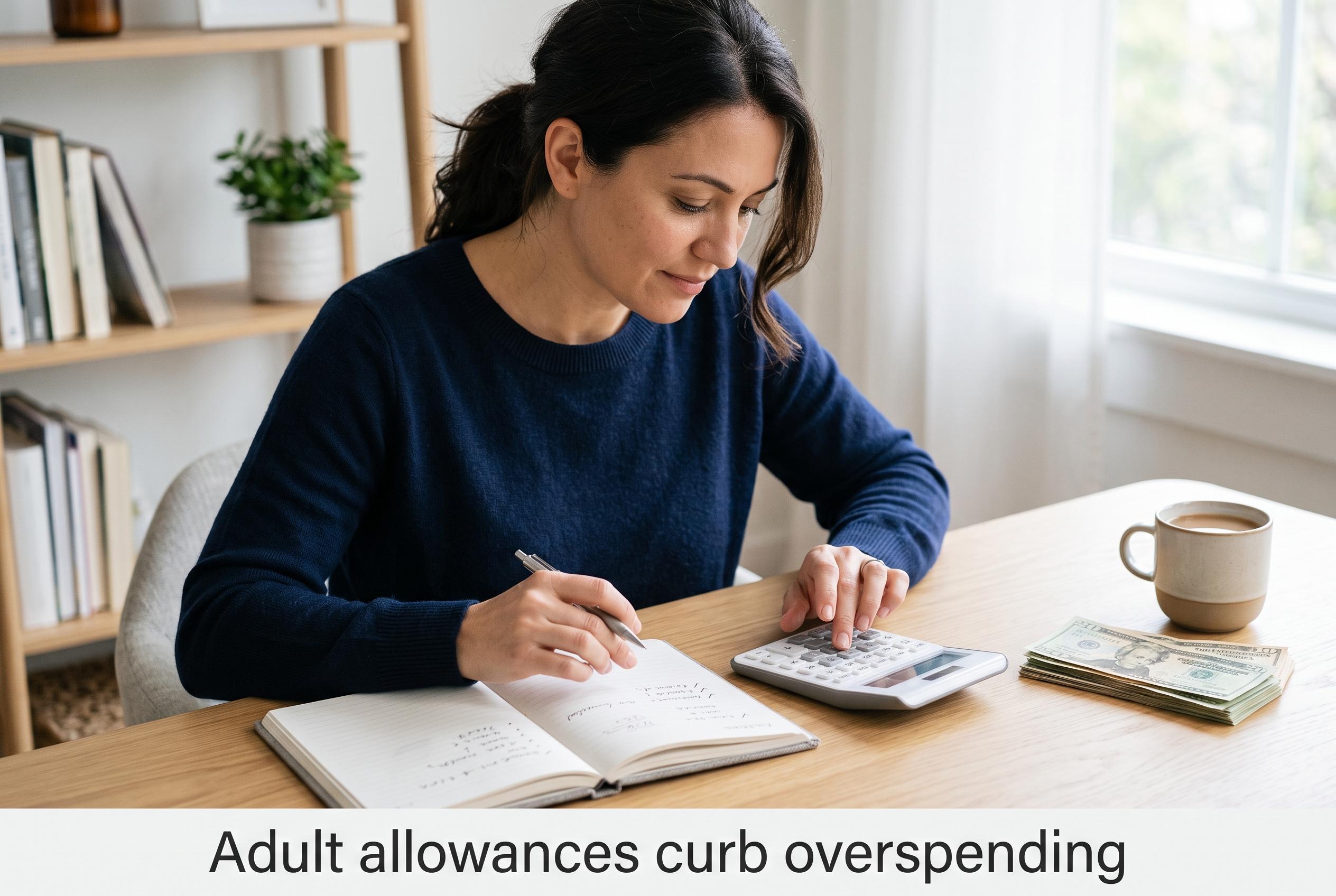

A practical approach to personal finance, adult allowances help distinguish essentials from discretionary spending, leading to less stress and more control over expenses, inspired by childhood lessons turned adult strategies.
An allowance is usually treated as a lesson for children, but the idea has a neat adult use too: it separates day-to-day essentials from discretionary spending. That distinction matters because many people do not struggle with the cost of rent, food or insurance so much as with the mental drag of not knowing what is safe to spend. Once money has a clear purpose, spending becomes less fraught and far easier to control.
That is the core argument behind the adult allowance approach. Experian says setting aside a fixed amount for personal spending can curb overspending, make it easier to delay impulse purchases and create firmer boundaries around money. The point is not to replace a full budget, but to simplify the part of it that tends to cause the most trouble: the small, frequent purchases that quietly eat into savings.
Traditional budgeting still has its place. InCharge notes that tracking spending can reduce financial stress, support savings goals and help people prepare for irregular expenses. But the allowance model takes a lighter touch. Rather than recording every transaction, it asks people to focus on the money that is actually discretionary. Bills, debt payments and other necessities are handled separately, leaving one pot that can be spent freely without guilt.
That idea overlaps with envelope budgeting, which PNC describes as a way of assigning strict limits to specific categories. Whether the system uses cash envelopes or digital tools, the principle is the same: when a category is empty, spending stops. The adult allowance is a simpler version of that logic, offering one clearly defined category for wants while keeping the rest of the household finances on autopilot.
There is also a useful lesson here from how children learn about money. PNC says allowances can help children build independence, understand saving and practise decision-making. For adults, the benefit is less about education and more about emotional clarity. By giving personal spending a fixed limit, people can stop negotiating with themselves every time they reach for takeout, coffee or an online order. The result is less second-guessing, more confidence and a better chance of sticking with the bigger financial plan.
Disclaimer: This article is intended to inform and educate, not to recommend or endorse any financial product, investment or strategy. Please consider your own financial circumstances and seek professional advice where appropriate before making financial decisions.