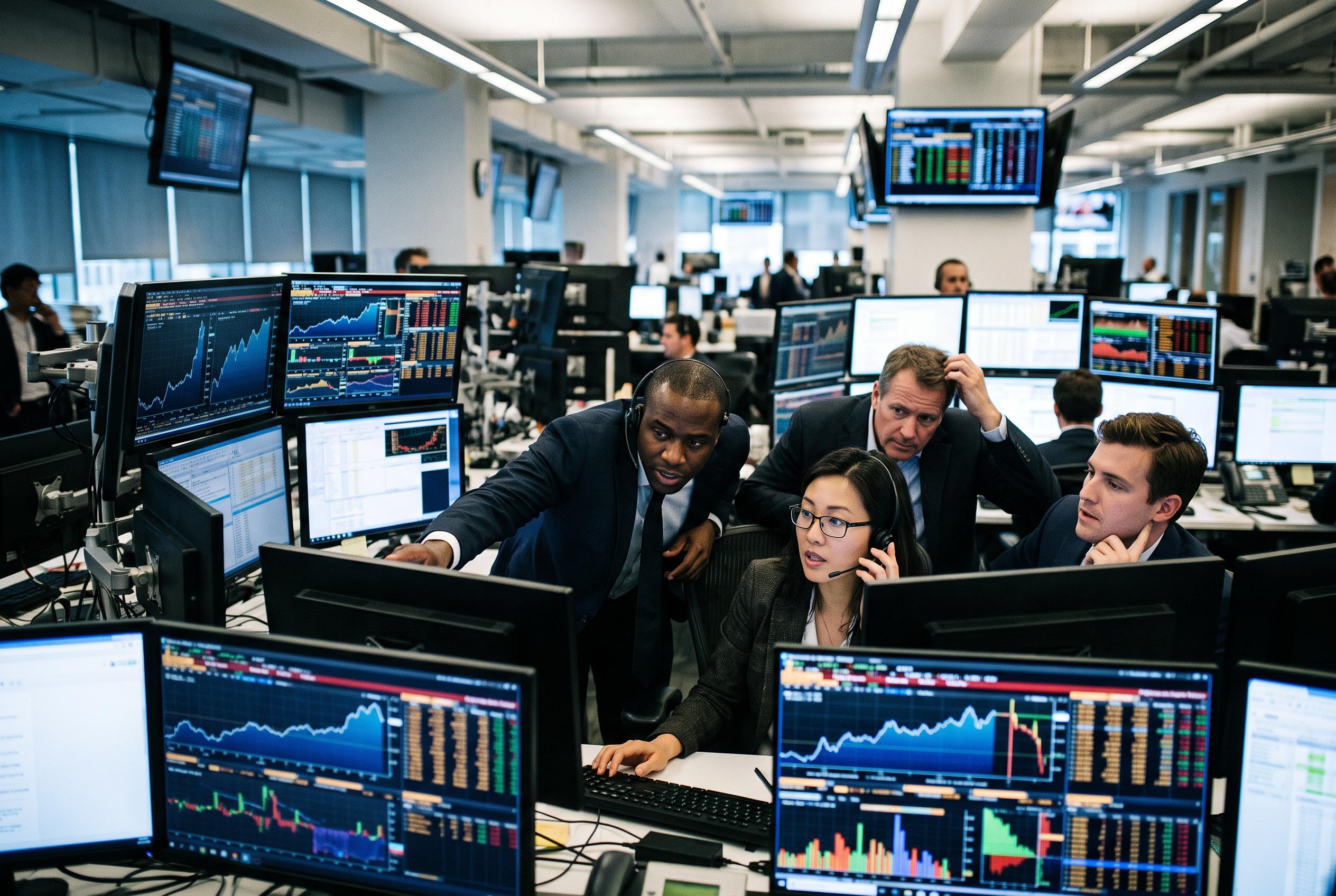

Market responses to the Federal Reserve’s rate hikes often involve short-term dips, but historical patterns indicate these declines are typically temporary, with stocks usually rebounding as bond yields adjust. Current rapid increases in the 10-year Treasury yield are causing concern, particularly for rate-sensitive sectors, although some areas like AI stocks may show resilience.
US stocks often stumble when the Federal Reserve begins a tightening cycle, but history suggests the damage may be temporary. Goldman Sachs Research found that in seven previous hiking cycles, the S&P 500 fell an average 2% in the first three months, then rose 9% over the following 12 months, with 2022 the lone exception. That backdrop matters now because the Fed has resumed rate increases, lifting its target range to 3.75% to 4.00% in September, and markets reacted with a sharp drop in the Dow and a smaller decline in the S&P 500 a day later.
The key warning sign is not just the policy rate but the bond market. Goldman says the 10-year Treasury yield, which has climbed to just under 5%, matters more for equities because so much of the market’s value depends on cash flows expected many years ahead. The bank estimates that roughly three-quarters of the S&P 500’s present value comes from cash flows more than a decade out. That helps explain why rapid moves in long-dated yields, rather than the Fed’s action alone, tend to unsettle investors.
That dynamic has left the market vulnerable in some areas and surprisingly resilient in others. Axios reported that artificial intelligence shares have helped cushion the blow from higher borrowing costs, as investors continue to bet on powerful profits from the sector. Goldman, meanwhile, says rate-sensitive corners of the market, including housebuilders and other long-duration growth stocks, are likely to feel pressure first if yields keep rising quickly. Financial companies are often the main beneficiaries of higher rates, since they can earn more on lending.
For now, the message from Goldman and market strategists is that speed may matter more than level. Stocks have usually handled higher rates unless Treasury yields jumped unusually fast, and the current forward price-to-earnings ratio for the S&P 500 has already eased from earlier in the year. That suggests investors should watch daily moves in the 10-year yield as closely as the Fed calendar itself. If bond yields keep climbing at the current pace, the historical pattern of an initial wobble followed by recovery may be harder to trust.
Disclaimer: This article is intended to inform and educate, not to recommend or endorse any financial product, investment or strategy. Please consider your own financial circumstances and seek professional advice where appropriate before making financial decisions.