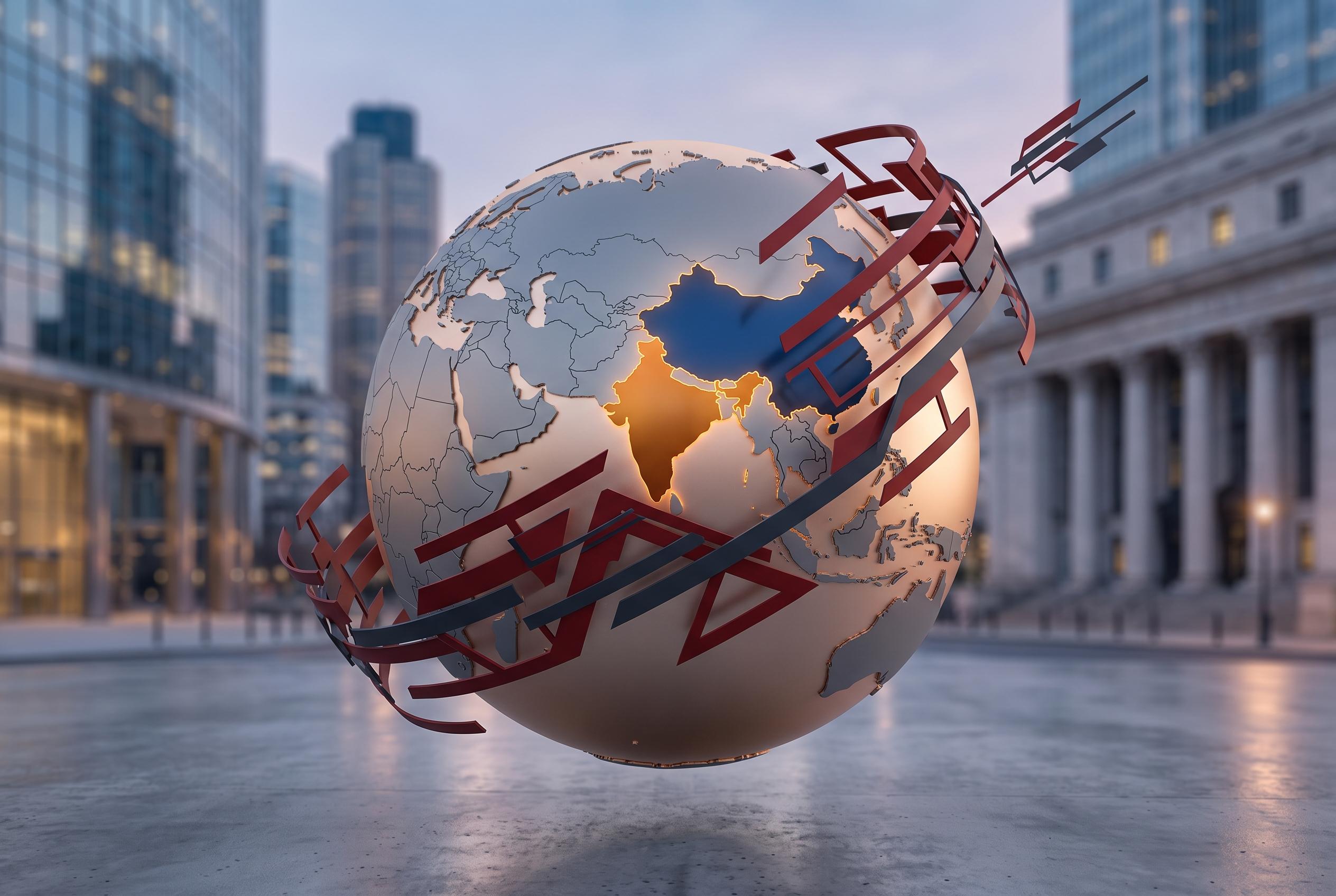

The US Senate has approved a sweeping sanctions package targeting Russian energy exports, potentially leading to higher tariffs on India and China, amid geopolitical tensions and energy market shifts.
The US Senate has approved a sweeping Russia sanctions package that could give President Donald Trump authority to impose tariffs of up to 100% on some of the biggest buyers of Russian energy, placing India and China in the firing line. According to AP News, the bill passed 86-11 after months of negotiations and was closely tied to the work of the late Senator Lindsey Graham, who backed the measure before his death.
The legislation is aimed at reducing the revenue that Moscow earns from oil and gas sales, which Washington says helps finance Russia’s war against Ukraine. AP reported that the package also broadens sanctions on Russian officials, financial institutions and energy projects, while Axios said it renews penalties on Iran as well.
India stands out as one of the countries most exposed to the proposed tariff authority because it has become a major purchaser of discounted Russian crude since the invasion of Ukraine upended energy markets. That trade has helped Indian refiners secure cheaper supplies, but it has also created a more delicate relationship with Washington, which now wants to pressure countries that keep buying Russian energy.
The measure does not automatically impose a 100% tariff on Indian goods. Instead, it would hand the president wide discretion to decide whether to apply tariffs to the five largest importers of Russian oil and gas, a list that could include India, China, Slovakia, Hungary and Azerbaijan, according to the reports. Even if the bill becomes law, the White House could still choose to waive penalties or use the threat of tariffs as leverage in negotiations.
The Senate vote is only one step in the process. The bill still needs to clear the House of Representatives before it can reach the president, and any final version could be revised. Reuters, as reflected in earlier reporting, said a revised form of the legislation narrowed an earlier, much harsher proposal that had contemplated tariffs as high as 500%.
For India, the stakes are broader than trade alone. A 100% tariff on exports to the US would sharply raise the cost of Indian goods in a key market, with possible effects on pharmaceuticals, textiles, chemicals, engineering products and technology-linked exports. The impact on energy markets could be just as significant if India is forced to diversify away from Russian crude and seek more expensive supplies elsewhere.
For now, the most immediate consequence is political pressure. The Senate has signalled strong support for tougher measures against Russia, but the final outcome will depend on House action and on how aggressively Trump chooses to use any authority granted to him.
Disclaimer: This article is intended to inform and educate, not to recommend or endorse any financial product, investment or strategy. Please consider your own financial circumstances and seek professional advice where appropriate before making financial decisions.