

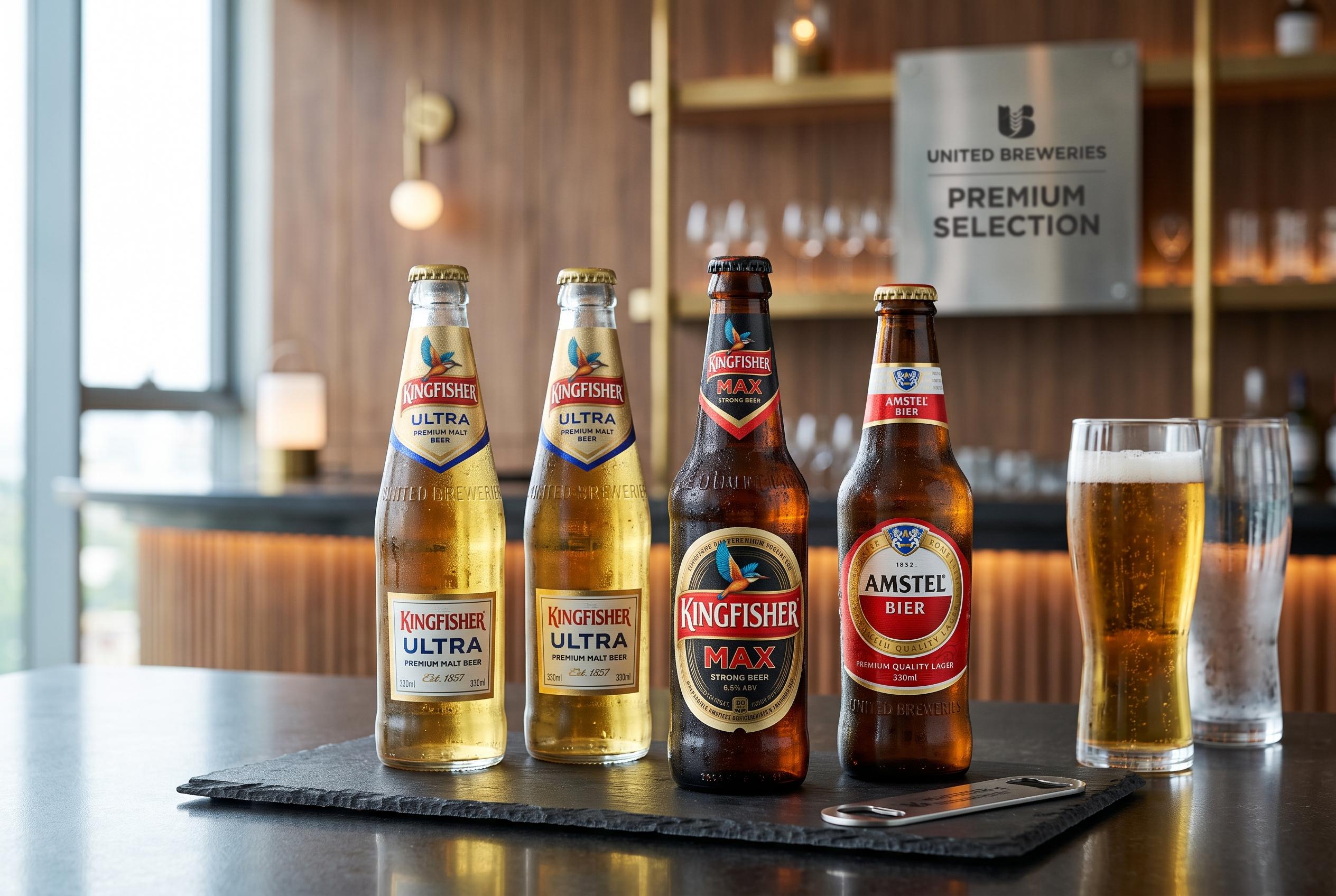

United Breweries’ first quarter FY27 results reveal a 13% increase in beer volumes, driven by premiumisation and strategic regulatory and operational shifts, with positive margin turnaround and optimistic growth outlook.
United Breweries said its beer volumes rose 13% in the first quarter of FY27, helped by premiumisation and regulatory changes in states including Karnataka, Maharashtra and Jharkhand, as the brewer described the period as a strong summer quarter. The company said premium portfolio margins turned positive ahead of schedule, with premium volumes up 17% and Heineken Silver growing 28%, while brand strength improved across Kingfisher, Ultra and Heineken.
According to the company’s earnings-call remarks summarised by GuruFocus, the business also benefited from pricing actions across 22 states, procurement gains and productivity measures that offset about half of a 300-basis-point cost shock tied to Middle East conflict-related disruption. That helped lift EBITDA margin to 10.9% from 6.5% in the previous quarter, even though gross margin still fell year on year. United Breweries also lowered its estimate of the full-year cost hit to ₹350 crore-₹400 crore from ₹400 crore-₹500 crore.
The company said it was deliberately reducing inventory, which improved free operating cash flow and working capital by 38%. It also pointed to network changes, including the closure of its Punjab brewery, a partnership transition with ABB and the commissioning of a new can line in Telangana, as part of a longer-term push to improve efficiency. Management said these moves would support profitability even if they created short-term disruption.
Chief executive Vivek Gupta said the company expects double-digit volume growth in coming quarters if policy support and category momentum continue. Chief financial officer Jorn Kersten said premium margins had become accretive for the first time, an important milestone, and that the company still sees room to expand premium’s share from about 10% to 11% of revenue towards 20%. The brewer also plans a Capital Markets Day in September to outline its strategy, a signal that it believes the sector’s growth cycle is still at an early stage.
Disclaimer: This article is intended to inform and educate, not to recommend or endorse any financial product, investment or strategy. Please consider your own financial circumstances and seek professional advice where appropriate before making financial decisions.



