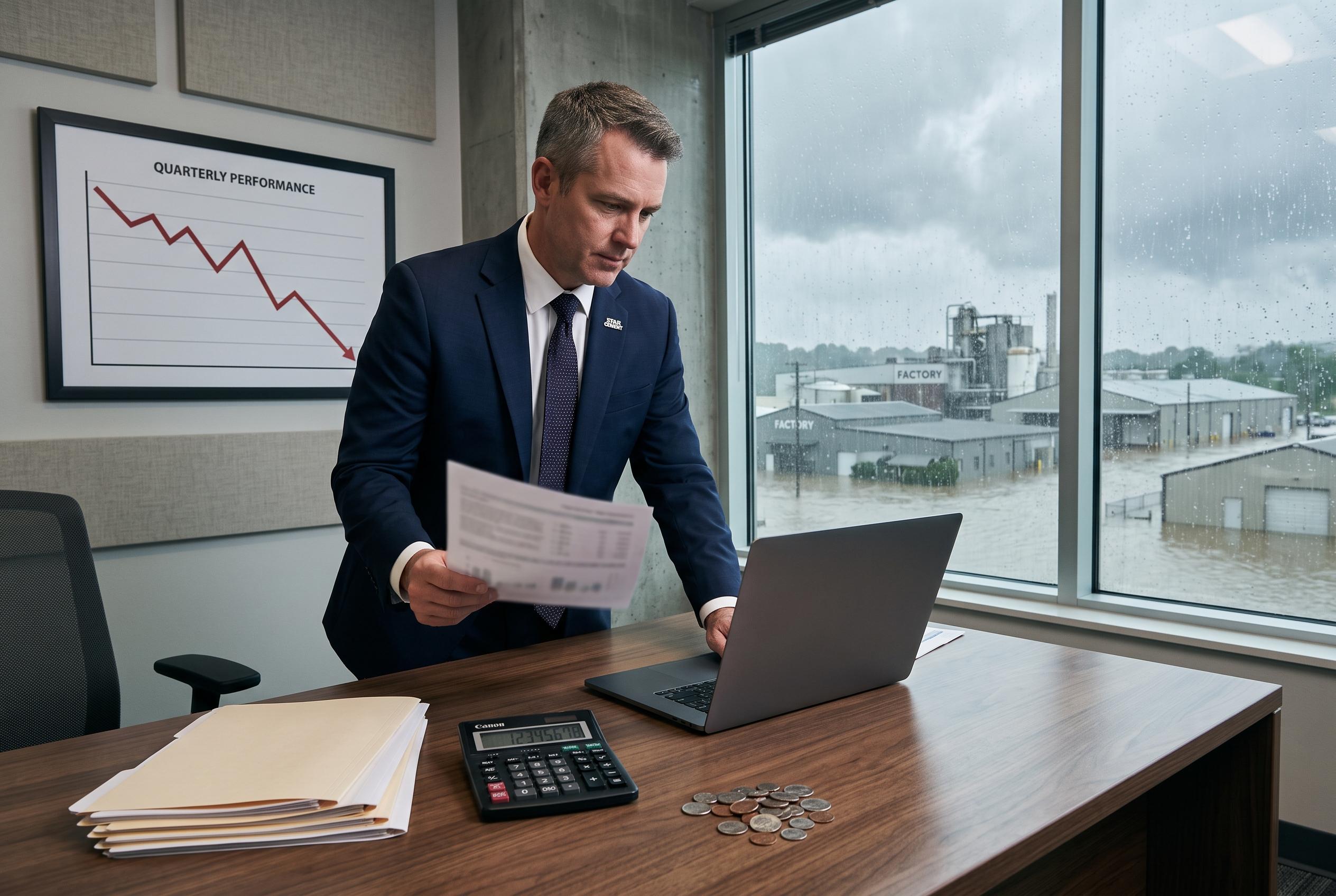

Star Cement reports a rise in sales but sees profit decline due to elevated fuel, packing, and shutdown costs, prompting a revised volume growth target and upcoming expansion plans.
Star Cement reported a firmer top line in its June quarter, but profit slipped as higher fuel, packing and shutdown costs weighed on margins. The company said cement sales volume rose 6.5% from a year earlier to 13.02 lakh tonnes, helped by a 21.4% increase in sales outside the North-east. Revenue climbed by the same pace to INR902 crore, but EBITDA fell 11.7% to INR203 crore and profit after tax dropped 24.5% to INR74 crore.
Management said the squeeze on earnings was driven in part by a jump in fuel costs, which rose to INR1.55 per Kcal from INR1.33 in the previous quarter after disruptions to assured coal supply forced heavier spot purchases. Star Cement expects fuel costs to ease to about INR1.45 in the September quarter and to improve further in the second half. The company also said subsidy income from Assam will be lower than earlier expected, with FY27 incentive income now seen at about INR115 crore versus INR145 crore, after the state spread payouts over a longer period.
The company trimmed its full-year volume growth target to 8% to 9% from 10% to 12%, citing softer demand and severe flooding in Assam. Chief executive Tushar Bhajanka said volumes are unlikely to jump in the September quarter, but he expects stronger growth later in the year as pent-up demand returns. He also pointed to new cost-saving steps, including a railway siding in Silchar, a wagon tippler in Siliguri and greater use of electric vehicles, which he said should help reduce logistics and operating expenses over the next three to six months.
Star Cement is also pushing ahead with a larger expansion plan. Bhajanka said the Rajasthan project should secure environmental clearance by early October, with construction due to start in November and commissioning targeted for fiscal 2029. The company put the combined capital expenditure for the Rajasthan clinker and grinding project and a separate Jhajjar grinding unit at INR2,700 crore to INR2,900 crore, including tax. It is also weighing whether a new West Bengal industrial policy could make a brownfield expansion at Siliguri more attractive than planned spending in Bihar.
Disclaimer: This article is intended to inform and educate, not to recommend or endorse any financial product, investment or strategy. Please consider your own financial circumstances and seek professional advice where appropriate before making financial decisions.