

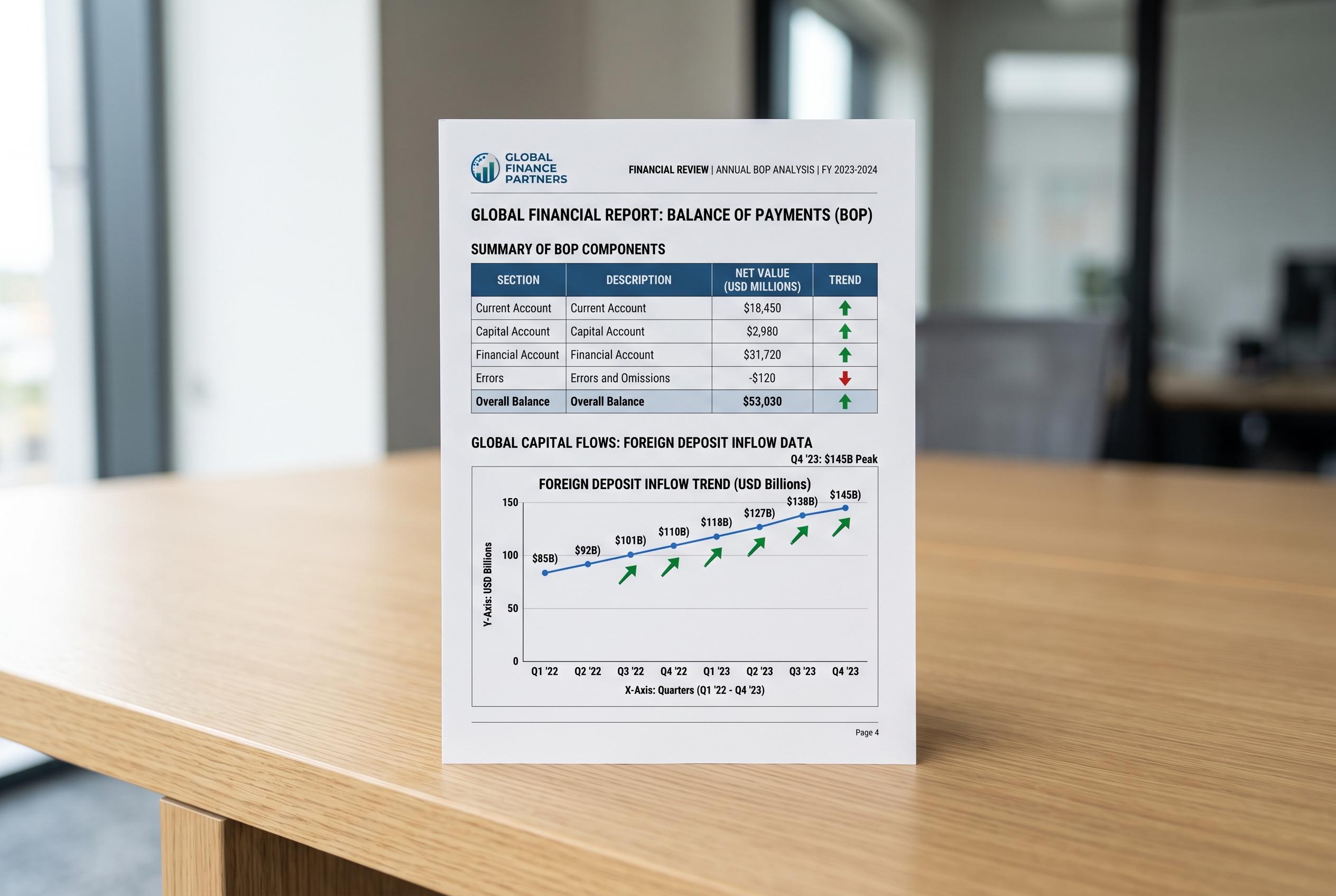

Despite recent currency weakness driven by geopolitical tensions and oil prices, ING economists see a potential turnaround driven by increased foreign deposits and bond inflows, possibly reversing India’s balance-of-payments deficit.
ING economists Deepali Bhargava and Lynn Song said the Indian rupee has surrendered much of the ground it gained in June as renewed tensions between the US and Iran, along with firmer oil prices, weakened sentiment around the currency. Even so, they remained upbeat on the outlook, arguing that steps to draw in foreign currency non-resident deposits should help steady the rupee in the months ahead.
The economists said they expect inflows to top $50 billion before the deposit scheme closes in September, which they believe could help flip an anticipated balance-of-payments deficit into surplus. The Reserve Bank of India introduced special measures in June to attract foreign money, including concessional swap facilities for foreign currency deposits and external borrowings, after crude oil prices jumped and overseas investors pulled money from Indian markets.
That pressure has been visible in the data. Rediff reported that foreign portfolio investors withdrew nearly ₹43,000 crore from Indian equities in June alone, while total outflows by mid-2026 had already exceeded the amount taken out in all of 2025. At the same time, the Economic Times said India has drawn nearly $32 billion in foreign capital since the RBI’s measures were announced, with much of that money arriving through foreign currency non-resident deposits.
Still, not all of that money has gone into shares. Reports from the Economic Times and Moneycontrol indicate that foreign investors have been favouring Indian debt over equities, helped by tax advantages, wider investment choices and hopes that Indian bonds could be added to major global indices. ING also said a possible rotation away from AI-linked equity trades elsewhere could revive interest in India, which has seen relatively subdued foreign enthusiasm despite strong nominal GDP growth.
Disclaimer: This article is intended to inform and educate, not to recommend or endorse any financial product, investment or strategy. Please consider your own financial circumstances and seek professional advice where appropriate before making financial decisions.



