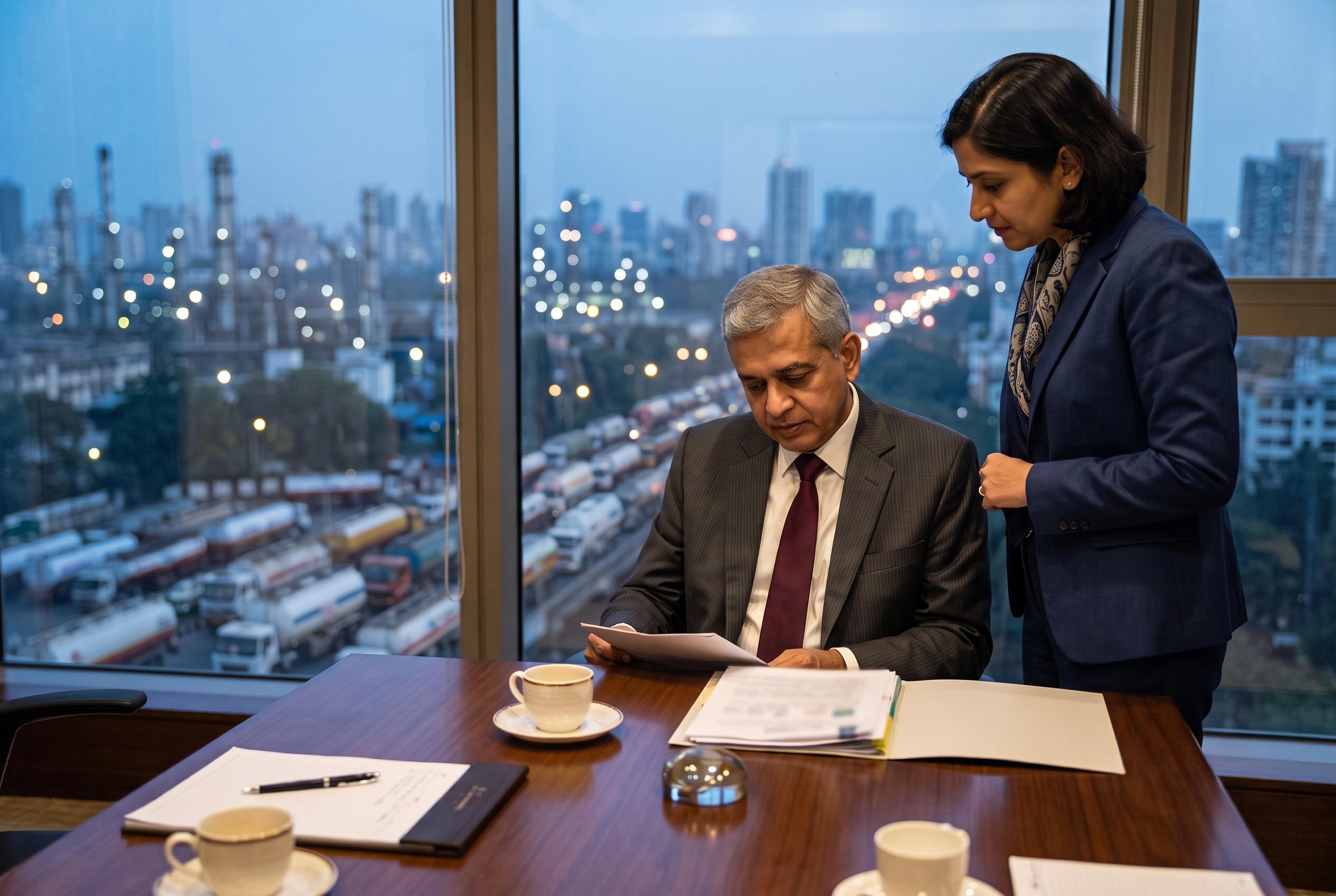

As inflation hits a new high and global oil prices threaten to impact retail costs, the Reserve Bank of India’s upcoming policy decision is set to signal whether it will opt for a modest rate hike or maintain patience amidst global uncertainties.
The Reserve Bank of India’s next policy meeting has taken on unusual significance as economists weigh the case for a modest rate increase against the risk of overreacting to an oil shock. Sunil Sanghai, writing in India IPO and echoed in reporting by The Economic Times, argues that a 25 basis point move would be the most likely response if the Monetary Policy Committee decides that inflation pressures are becoming more entrenched. The central bank has already left the repo rate unchanged at 5.25% for four consecutive meetings, after cutting rates by a cumulative 125 basis points earlier this year. That pause has narrowed the gap between Indian and United States policy rates, leaving the rupee more exposed at a time when global financial conditions remain sensitive.
The inflation backdrop has become less comfortable. Consumer price inflation rose to 4.82% in August, the highest reading since December 2024, and remained above the RBI’s 4% target for a third straight month. Economists quoted by The Economic Times and WebIndia123 say the central bank is also watching crude oil closely, because higher freight and energy costs can spread through transport, manufacturing and services before showing up fully in retail prices. The RBI has warned previously that volatile global oil prices, together with geopolitical tensions, pose a real threat to the inflation outlook. Even if fuel prices at the pump have not yet fully reflected the rise in crude, analysts say the pressure can still build beneath the surface.
That leaves the central bank with a familiar dilemma: whether to respond to a supply-driven shock that monetary policy cannot directly fix. Some economists argue that higher borrowing costs would do little to lower the price of oil and could unnecessarily slow growth. Others say the risk is that energy-driven inflation seeps into wages and broader price setting, making it harder to keep inflation near target. Sanghai’s view is that the RBI is more likely to favour a small, pre-emptive increase accompanied by a firm signal that it remains willing to do more if price pressures worsen. A larger move, by contrast, could alarm markets and suggest the central bank is more worried about inflation than the data alone justify.
Liquidity management is the other major issue. Bank system liquidity has remained in surplus, helped in part by foreign currency deposit swap operations, and the RBI has several tools at its disposal, including open market sales and variable rate reverse repo auctions. Sanghai argues that a rise in the cash reserve ratio would be a blunter and less attractive option, since it would tie up bank deposits without distinguishing between lenders that used the swap window and those that did not. Market-based absorption, he says, would be more flexible and easier to reverse if conditions improve.
The broader economic picture is still more reassuring than it was during past bouts of external stress. India’s foreign exchange reserves were about $693 billion at the end of July, enough to cover more than ten months of imports, and the current account is close to balance. That is a very different position from 2013, when the rupee slumped and the country was forced to lean on special deposit schemes to stabilise funding. Even so, the combination of firmer oil prices, a narrower rate differential with the United States and still-elevated inflation leaves the RBI with a delicate choice. The most plausible outcome, analysts say, is a 25 basis point hike paired with cautious but hawkish guidance.
Disclaimer: This article is intended to inform and educate, not to recommend or endorse any financial product, investment or strategy. Please consider your own financial circumstances and seek professional advice where appropriate before making financial decisions.