

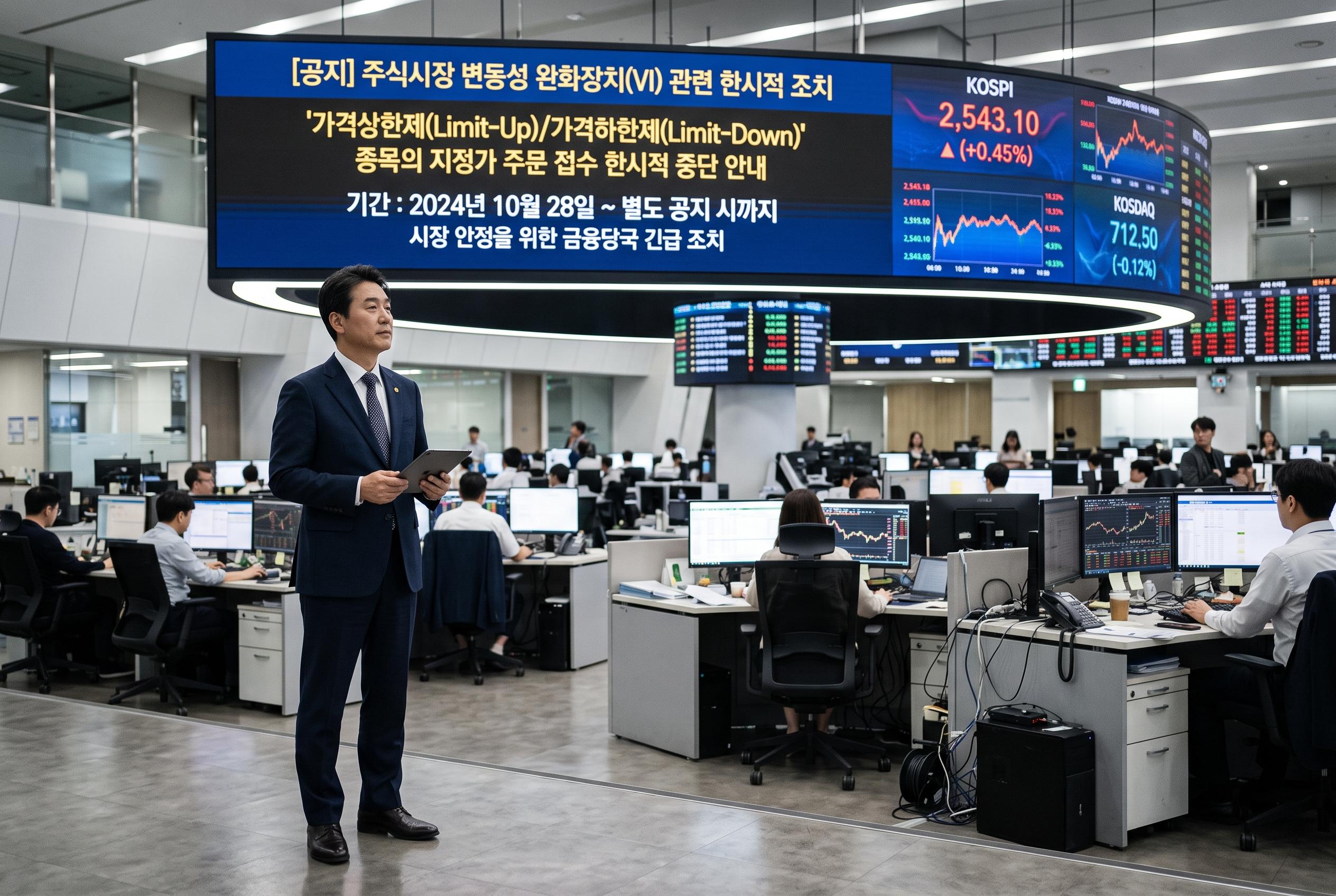

NextTrade, South Korea’s alternative trading platform, will temporarily ban limit-up and limit-down orders in pre-market trading from August 12 to curb sharp price distortions caused by low liquidity and order errors, as it prepares to introduce a new volatility interruption system in September.
NextTrade, South Korea’s alternative trading system, will temporarily ban limit-up and limit-down orders in pre-market trading from August 12 as it tries to curb sharp price distortions caused by thin liquidity and possible order-processing errors, the company said. The move comes after a series of tiny trades in which just a few shares pushed stocks to extreme levels, including SK hynix hitting the lower limit on July 28, Samsung Electro-Mechanics and Alteogen touching the upper limit on August 5, and SK hynix again falling to the lower limit on August 6.
The company said it already restricts pre- and post-market trading to limit orders rather than market orders, because it operates as an alternative venue rather than a primary exchange and faces weaker liquidity outside regular hours. NextTrade added that many of the recent extreme prints appeared to stem from errors in the order-handling process, prompting what it described as an emergency response to reduce sudden swings.
The temporary restriction will remain in place until NextTrade introduces a new static volatility interruption system on September 14. Under that mechanism, trading will pause immediately if a price moves 10% or more from the previous day’s reference price, after which a two-minute auction will determine a fair price before trading resumes. That differs from the current volatility interruption device, which simply halts trading without using an auction to stabilise prices.
The latest intervention also fits a wider pattern of regulatory pressure on NextTrade this year. According to reports in the Korean financial press, the venue suspended trading in dozens of shares in August to avoid breaching a 15% market-share cap under the Capital Markets Act after its average daily trading volume climbed to 14.4% of the Korea Exchange’s total by mid-August. Earlier, the Financial Supervisory Service warned in March that pre-market trading on NextTrade could produce sharp swings because of low liquidity, while reports in February said price distortions had begun affecting large-cap names including Samsung Electronics and Hanwha Aerospace.
Disclaimer: This article is intended to inform and educate, not to recommend or endorse any financial product, investment or strategy. Please consider your own financial circumstances and seek professional advice where appropriate before making financial decisions.



