

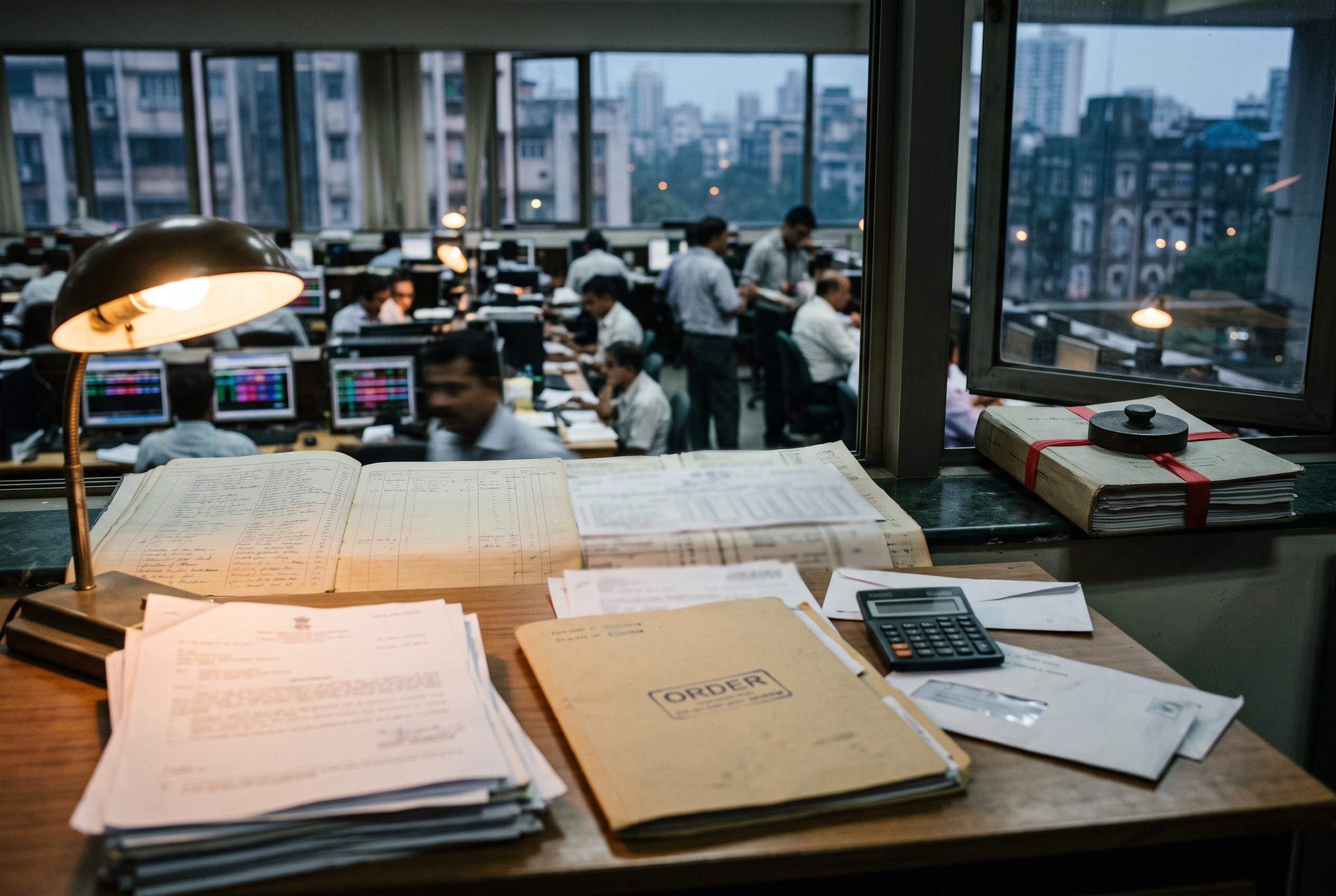

India’s SEBI study reveals that while retail trading participation declines, the share of Securities Transaction Tax in trading costs has more than doubled, sharpening concerns over rising expense burdens and potential market impacts.
India’s market regulator has found that the Securities Transaction Tax now makes up a far larger share of retail derivatives trading costs, even as participation in the segment has eased. In FY26, STT accounted for 27% of total transaction costs for individual traders, more than double its 13% share in FY22, according to the SEBI study reported by Business Today.
Brokerage still remained the biggest single expense, but its share fell over the same period, dropping to 44% from 52%. The shift means taxes are taking a noticeably larger slice of the trading bill for retail investors active in futures and options, a segment that has come under sharper scrutiny as regulators have tightened rules and volumes have cooled. Business Standard reported that those measures helped reduce retail derivatives losses in FY26, while also contributing to lower turnover and participation.
The overall cost burden continued to climb. Individual traders paid about ₹24,800 crore in transaction costs in FY26, even though the number of active traders fell, and average costs per trader rose to roughly ₹31,628 from ₹26,027. SEBI’s analysis also showed that transaction costs weighed much more heavily on losing traders than on profitable ones, absorbing 35% of gross losses among loss-making traders, versus 21% of gross profits among those who made money.
The regulator’s study also suggests that costs can be enough to flip outcomes for a meaningful minority of traders. Around 4.4 lakh traders who were in profit before costs ended the year in the red after charges were added, down from about 5.3 lakh in FY25. The broader backdrop remained grim: 87.7% of individual traders posted net losses in FY26, with combined losses of ₹91,685 crore. Business Standard noted that this was lower than the previous year’s ₹1.12 lakh crore, but the pain remained concentrated, with options driving most of the losses.
Disclaimer: This article is intended to inform and educate, not to recommend or endorse any financial product, investment or strategy. Please consider your own financial circumstances and seek professional advice where appropriate before making financial decisions.



