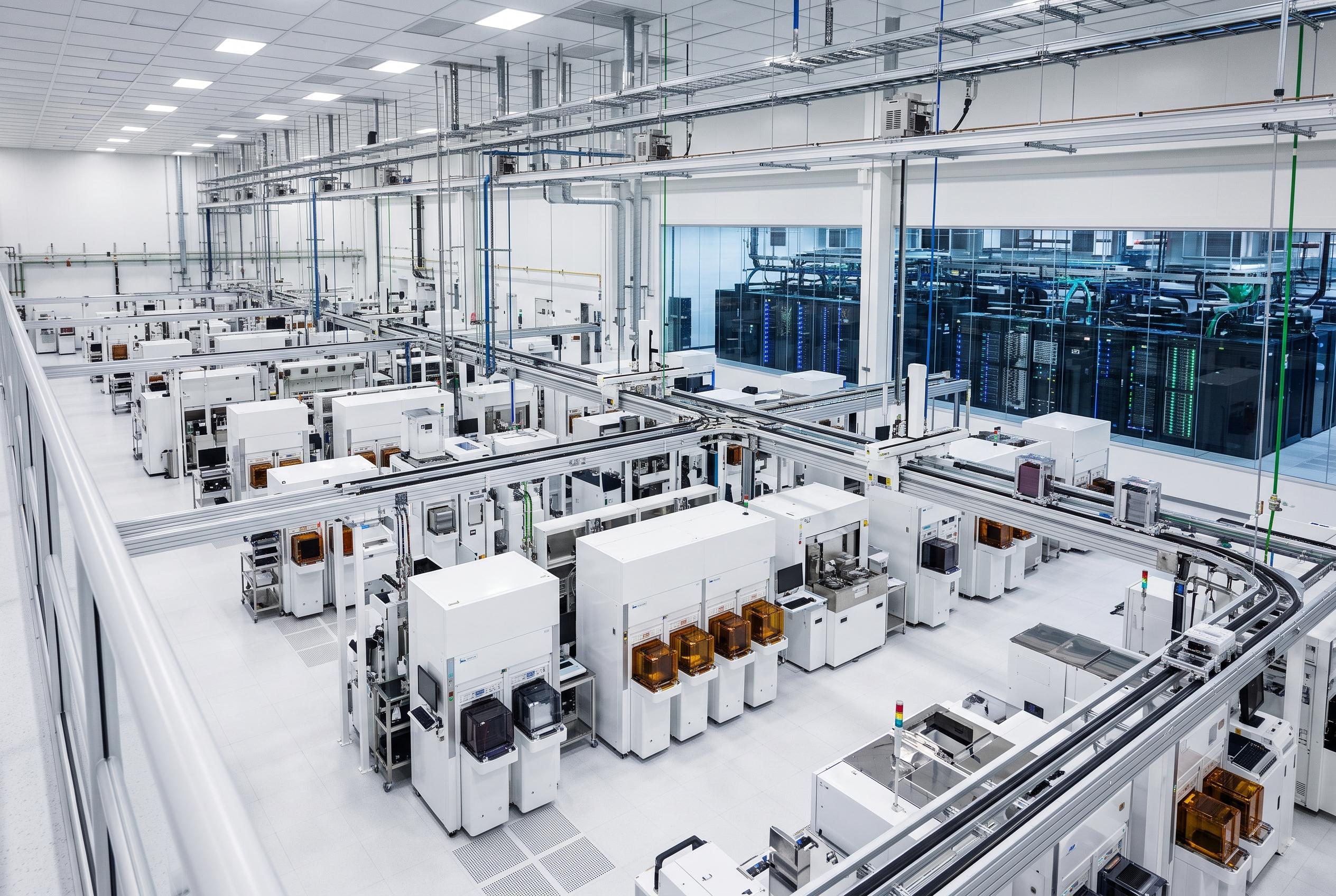

India is launching Semicon 2.0, a comprehensive ₹1.275 trillion initiative aimed at establishing a full semiconductor supply chain domestically, attracting global companies and reducing reliance on China.
India is preparing a second, broader push into semiconductors, with the government backing a plan that goes beyond chip plants to cover design, assembly, packaging, equipment, materials and skills. According to official statements and industry briefings, Semicon 2.0 carries a budget of ₹1.275 trillion and is intended to deepen India’s role across the full semiconductor value chain.
The timing is deliberate. As Meity secretary S Krishnan has argued, the high-margin frontier of chipmaking is moving towards advanced nodes, while the mature 28-nanometre and above market remains large, widely used and still heavily dominated by China. India’s aim is to build an alternative supply source for the components that go into cars, appliances, internet-of-things devices and telecom equipment, even as the first phase of its semiconductor mission has already begun to produce results in assembly and packaging.
That first phase, launched in 2021 with ₹76,000 crore in incentives, has already supported projects in places such as Gujarat, Assam and other industrial hubs. India Briefing and government material say the new programme is designed to widen the focus from fabrication and packaging alone to the wider ecosystem, including semiconductor equipment, speciality materials, research and talent development. The official mission site describes Semicon 2.0 as a six-pillar strategy built around design, machines and materials, more fabs, stronger ATMP and OSAT capacity, and a more resilient domestic supply chain.
The immediate commercial bet is on outsourced semiconductor assembly and test, or OSAT, and assembly, testing, marking and packaging, known as ATMP. These plants are cheaper and faster to build than full wafer fabs, though they are also labour-intensive and tend to deliver thinner margins. Business Standard reported that several approved plants are already operating or moving towards production, while more projects cleared in the second phase are expected to come on line by the end of this year or next. Industry executives say that has helped turn India from a policy story into a manufacturing destination.
Global customers are also being drawn by geopolitics and the chance to reduce dependence on China. Industry figures quoted in the coverage said companies in the US, Europe and Japan are booking capacity in Indian plants, while firms such as Kaynes Semicon and Suchi Semicon report that their output is largely spoken for. At the same time, demand inside India is rising quickly: Meity now sees domestic semiconductor demand reaching $150 billion by 2030, helped by a surge in electronics production and the rapid spread of artificial intelligence. Even so, India’s broader fab ambitions remain at an early stage, with the Tata group’s planned silicon fab in Gujarat not expected to come on stream until 2028.
Disclaimer: This article is intended to inform and educate, not to recommend or endorse any financial product, investment or strategy. Please consider your own financial circumstances and seek professional advice where appropriate before making financial decisions.