

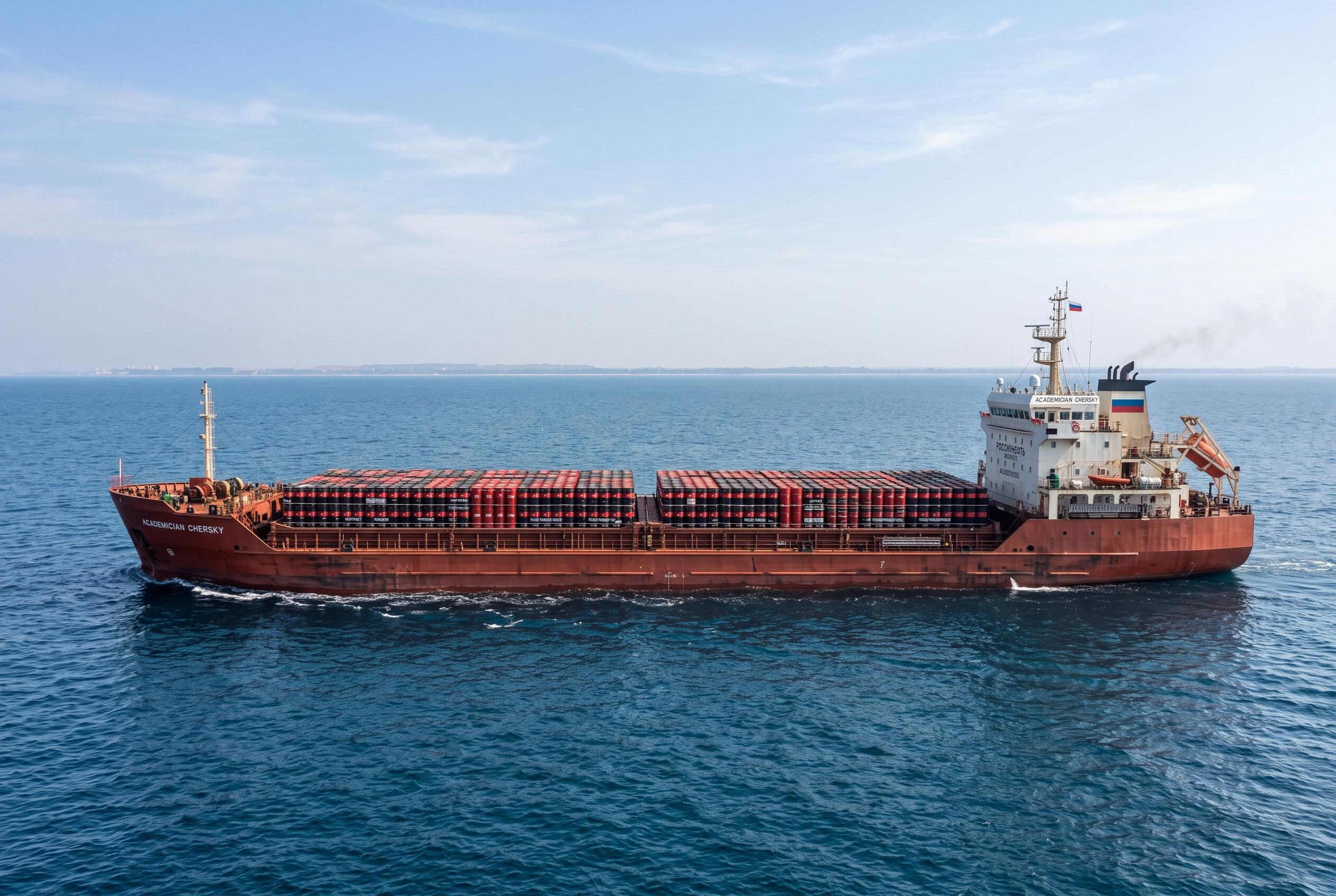

Despite US plans to impose steep tariffs on Russian energy, India is expected to continue importing Russian crude due to economic and security considerations, highlighting a complex geopolitical and economic balancing act.
India is likely to keep buying Russian crude despite President Donald Trump’s threat of tariffs as high as 100% on countries that continue importing Russian oil and gas, according to reporting in The Times of India. The newspaper said New Delhi’s energy security needs and the economics of refinery supply still make Russian barrels difficult to replace in the near term.
That assessment comes as Washington considers a sanctions bill that would give the U.S. president authority to impose steep tariffs on major buyers of Russian energy, while also allowing exemptions for countries that have cut their dependence on Russia to less than 15% of total energy needs. The proposal would also target shipping, insurance and vessels tied to Russia’s so-called shadow fleet, which has helped move sanctioned oil around the world.
The scale of India’s dependence has grown sharply since 2022. According to The Times of India, Russian crude now accounts for more than 30% of India’s total oil imports and reached about 55% in July, the highest level since the war in Ukraine began. A separate report in The Times of India said Russia remained India’s top crude supplier in 2025, with imports of about 85 million tonnes, or 32.3% of the total.
Industry executives have also signalled that price, rather than politics, continues to drive buying decisions. The Economic Times quoted the chairman of Indian Oil Corporation as saying India is still importing Russian crude on economic grounds, while another report from the same paper said Russian barrels remain the cheapest option for many Indian refiners because of discounts and healthy profit margins. India’s finance minister has likewise said the country will continue purchasing Russian oil because it remains economically attractive.
Even so, analysts say any pullback would probably be gradual rather than immediate. The Times of India reported that a sudden shift away from Russian supply would raise import costs, increase freight and insurance expenses and make it hard to secure replacement barrels at the same scale. The proposed U.S. bill also still faces obstacles in Congress, and any tariff decision would likely depend on oil-market conditions, U.S.-India trade talks and developments in the Middle East.
Disclaimer: This article is intended to inform and educate, not to recommend or endorse any financial product, investment or strategy. Please consider your own financial circumstances and seek professional advice where appropriate before making financial decisions.



