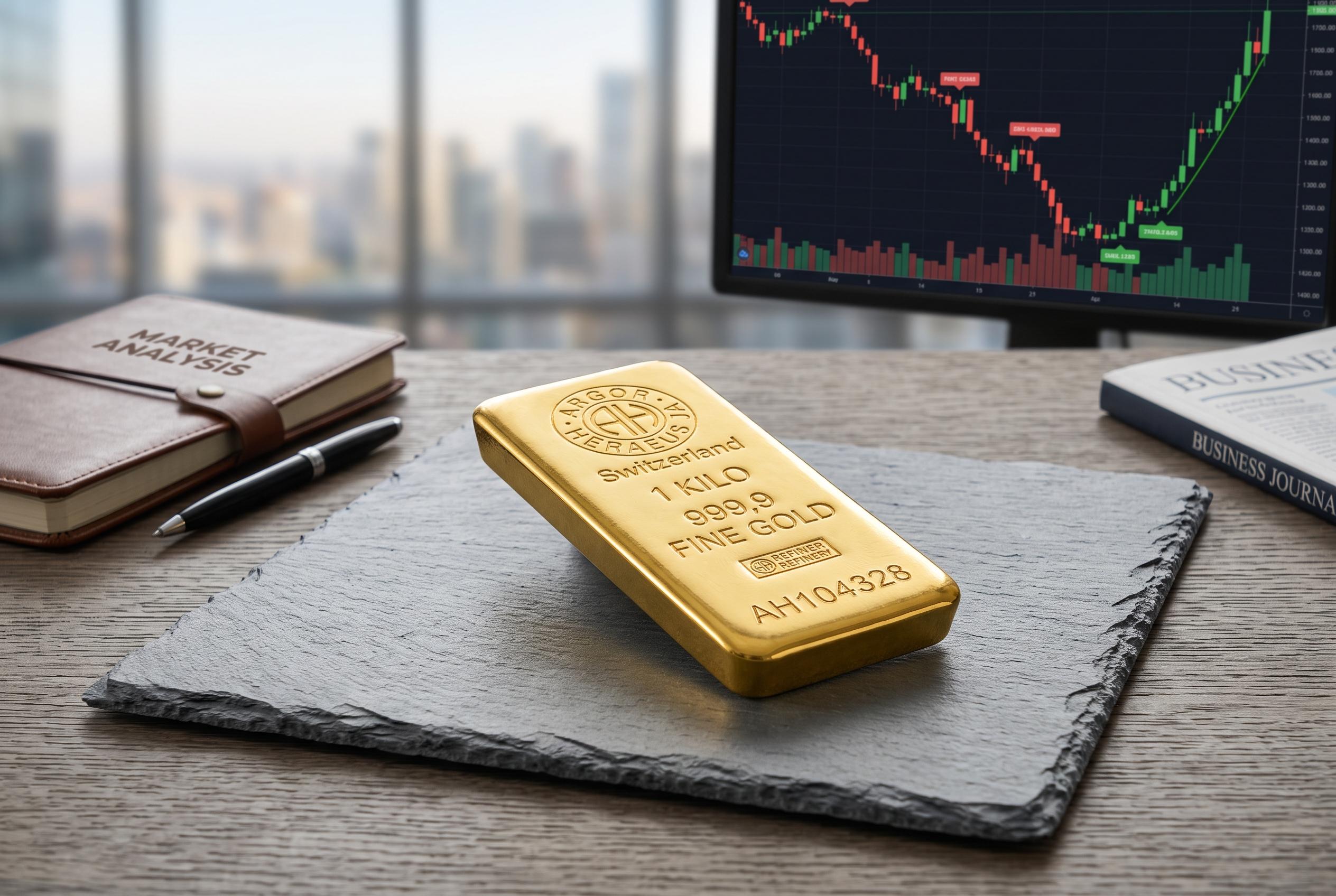

Gold prices surged by over 4% to a seven-week high above $4,250, driven by a softer US dollar, lower bond yields, and declining US rate hike expectations, leaving markets at a pivotal point for further movement.
Gold surged sharply in the August 5 session, with XAUUSD rising about 4.4% to trade above $4,250 an ounce, its highest level in roughly seven weeks. The move came after a prolonged slide and represented a gain of more than 5% from around $4,030 just two days earlier, according to the lead material.
The rally reflected a familiar set of drivers. A softer US dollar made bullion cheaper for overseas buyers, while lower government bond yields reduced the appeal of income-bearing assets relative to gold, which does not pay interest. That pattern has repeatedly shaped the market in earlier periods as well: the World Gold Council noted that a stronger dollar and rising yields weighed on gold in August 2023, when investor sentiment also weakened.
Fresh US labour-market data added to the bid. According to the summary from Moneycontrol, the private sector created fewer jobs than expected, prompting traders to trim expectations for additional Federal Reserve tightening. The same report said the implied probability of a September rate increase fell after the data, a shift that tends to favour gold because lower rate expectations can weaken both the dollar and Treasury yields.
Oil also helped. Talks between Iran and Oman raised hopes of improved shipping through the Strait of Hormuz, which pushed crude prices lower and eased some inflation concerns. That matters because cooler inflation expectations can reduce pressure on the Fed to keep policy tight. At the same time, traders were drawn back to the $4,000 level as a technical floor, triggering fresh buying and forcing some short sellers to cover positions, which amplified the rally.
Even so, gold remains below its January peak, leaving the market at a crossroads. FreshForex analysts said a move above $4,300 would strengthen the bullish case, while a fall back below $4,100 would suggest the recovery is losing force. The broader picture, as earlier commentary from the World Gold Council showed, is that gold often responds quickly to shifts in the dollar, yields and policy expectations, which means the latest surge could prove either the start of a wider rebound or another sharp but temporary reaction.
Disclaimer: This article is intended to inform and educate, not to recommend or endorse any financial product, investment or strategy. Please consider your own financial circumstances and seek professional advice where appropriate before making financial decisions.