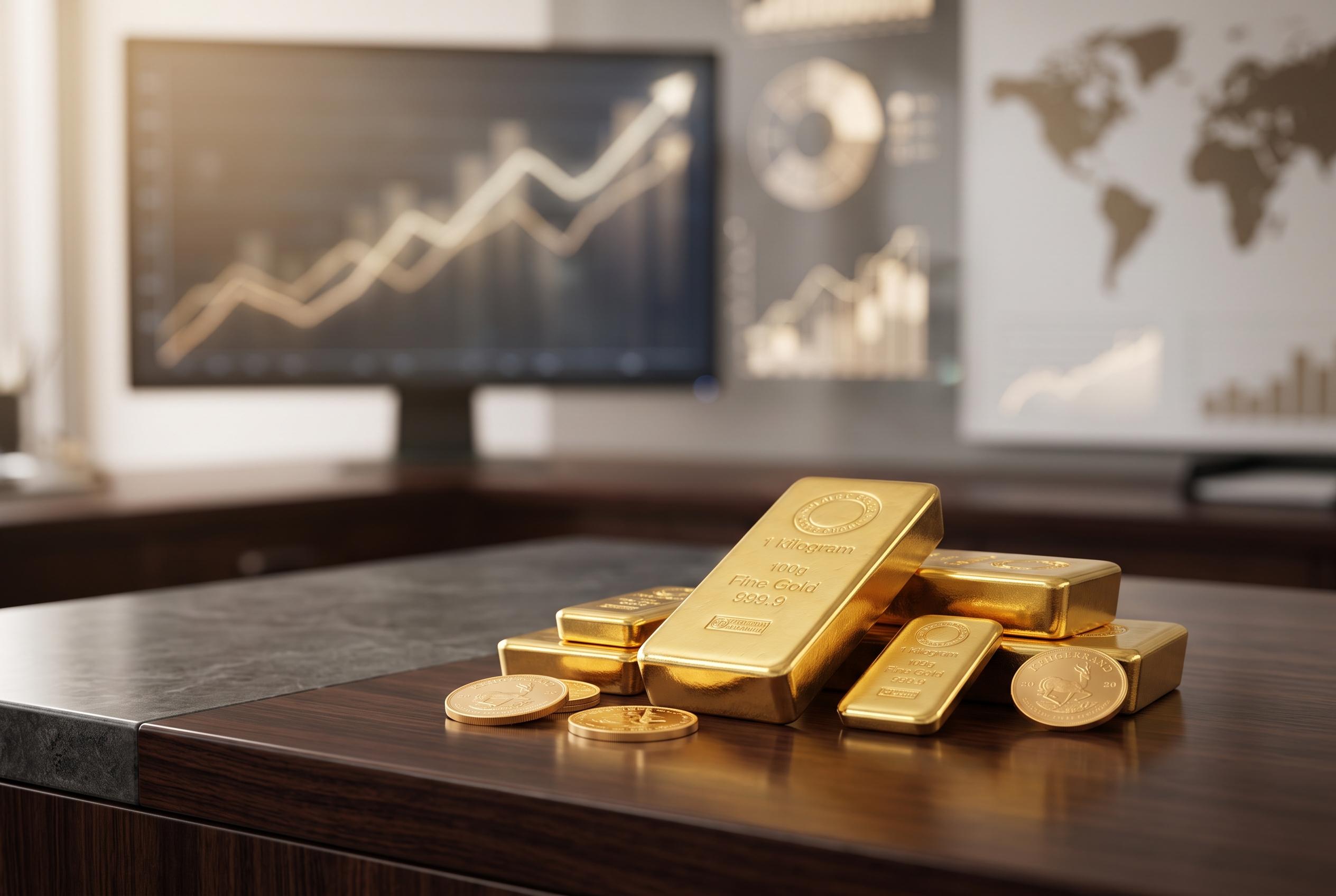

Gold prices are ascending again, bolstered by record central bank purchases, inflation concerns, and geopolitical tensions, suggesting a possible new phase in the metal’s long-term bull cycle.
Gold’s latest surge is reviving a familiar market argument: that the metal is not merely rallying, but potentially entering a new phase of its long bull cycle. In early August, prices climbed sharply alongside silver, while traders weighed a cluster of supportive forces that include inflation risks linked to tariffs, softer expectations for further US Federal Reserve tightening and persistent demand from central banks.
The case for the metal has been strengthened by official-sector buying. The People’s Bank of China added around 20 tonnes in July, its largest monthly increase since October 2023, after similar purchases in the two previous months, according to the market commentary cited by FXStreet. That pushed reported holdings to a record 2,366 tonnes and extended the bank’s buying streak to 21 months. The World Gold Council has also said central-bank demand and reserve diversification continue to underpin the market, even when short-term price action is driven by geopolitical shocks and swings in inflation expectations.
There are still obstacles. Investing.com recently argued that gold remains locked between strong official demand and a firmer US dollar, with sticky bond yields limiting enthusiasm and a drop below $4,000 seen as an important technical level. Its broader 2026 outlook still sees room for gains, however, pointing to central-bank buying, easier monetary policy and a weaker dollar as structural supports for the metal.
Analysts say the recent pullback from earlier highs should not necessarily be read as the end of the trend. Edward Wu, writing for Investing.com, described a 27% correction from gold’s January peak as an unwind of rate-sensitive positioning rather than a collapse in the wider bull case. The World Gold Council’s mid-year outlook similarly argues that persistent inflation, geopolitical risk and market volatility tend to favour gold, particularly when investors look for assets that can better preserve purchasing power.
Silver may be reinforcing that message. FXStreet noted that the metal’s smaller market size makes it more responsive to investment flows, while industrial demand from electrification, solar power and technology adds another layer of support. At the same time, Sarah Templeton wrote for Investing.com that central-bank gold buying has reached its strongest pace in more than 50 years since 2022, a shift she linked to the freezing of Russian central-bank assets and the growing preference for reserves that cannot be easily restricted. Together, those trends suggest the precious-metals trade may be broadening beyond a short-lived spike.
Disclaimer: This article is intended to inform and educate, not to recommend or endorse any financial product, investment or strategy. Please consider your own financial circumstances and seek professional advice where appropriate before making financial decisions.