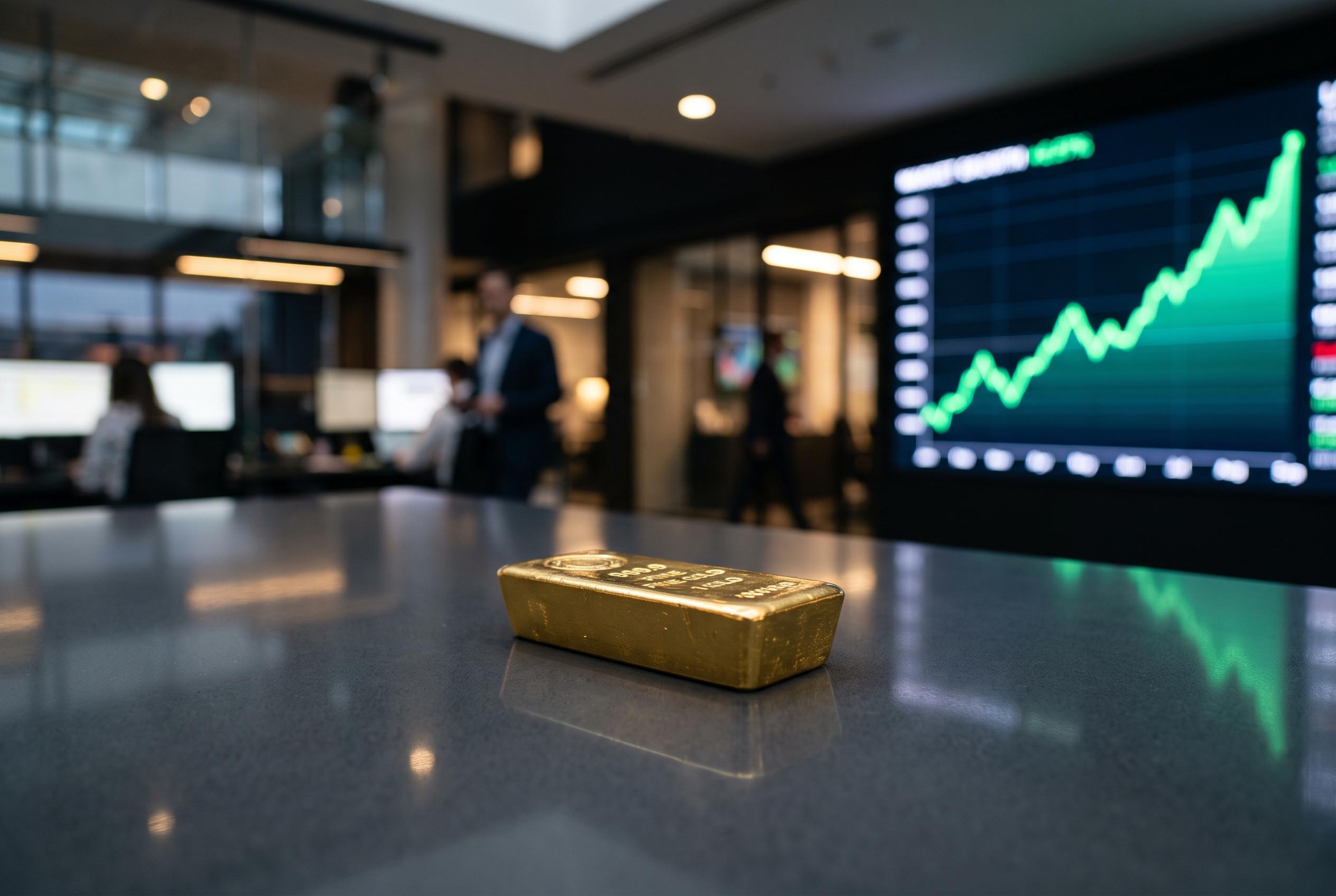

Gold prices have sharply risen by over 7% since August, supported by weaker dollar and optimistic forecasts from JPMorgan and UBS, amid signs of a softer US economy and geopolitcal tensions.
Gold has staged a sharp recovery as the dollar has weakened, expectations of further Federal Reserve tightening have faded and recent US inflation and labour-market data have pointed to a softer economic backdrop. The metal has risen more than 7% since the start of August, with prices last week closing near $4,342 an ounce, well above the $4,000 range that dominated much of July. The surge included a 5% jump on August 5 and a further 2.1% gain on August 7, putting bullion back comfortably above $4,300.
The rally has revived a wave of bullish calls from Wall Street. J.P. Morgan’s Global Research team now expects gold to average $6,000 an ounce by the end of 2026 and sees scope for prices to reach $6,300 in 2027, citing central bank demand, geopolitical tensions and the Fed’s policy path. The bank has also said unreported buying, particularly from China, suggests demand remains firm even as some official purchases have cooled.
UBS is also forecasting more upside, with its analysts saying gold could reach $5,200 by June 2027. In its view, the dollar’s momentum is fading, confidence in prolonged Fed tightening is easing and lower real yields are cutting the opportunity cost of holding bullion. The bank also argued that uncertainty over policy and the wider economy should continue to support demand for defensive assets.
That optimism comes after a more cautious spell earlier this year. Reuters reported in May that J.P. Morgan had trimmed its 2026 gold forecast to an average $5,243 an ounce from $5,708, pointing to softer near-term investor interest and lighter positioning. Even so, the bank kept a constructive view and expected prices to strengthen later in the year.
Technically, UBS said the recent rebound has improved the chart picture, with gold moving back above its 20-day and 50-day moving averages, though still below its 200-day line and short of the record highs seen in January. For now, the metal remains more than 28% higher over the past 12 months, keeping alive speculation that it may yet challenge a new peak if macroeconomic pressure on the dollar and the Fed continues.
Disclaimer: This article is intended to inform and educate, not to recommend or endorse any financial product, investment or strategy. Please consider your own financial circumstances and seek professional advice where appropriate before making financial decisions.