

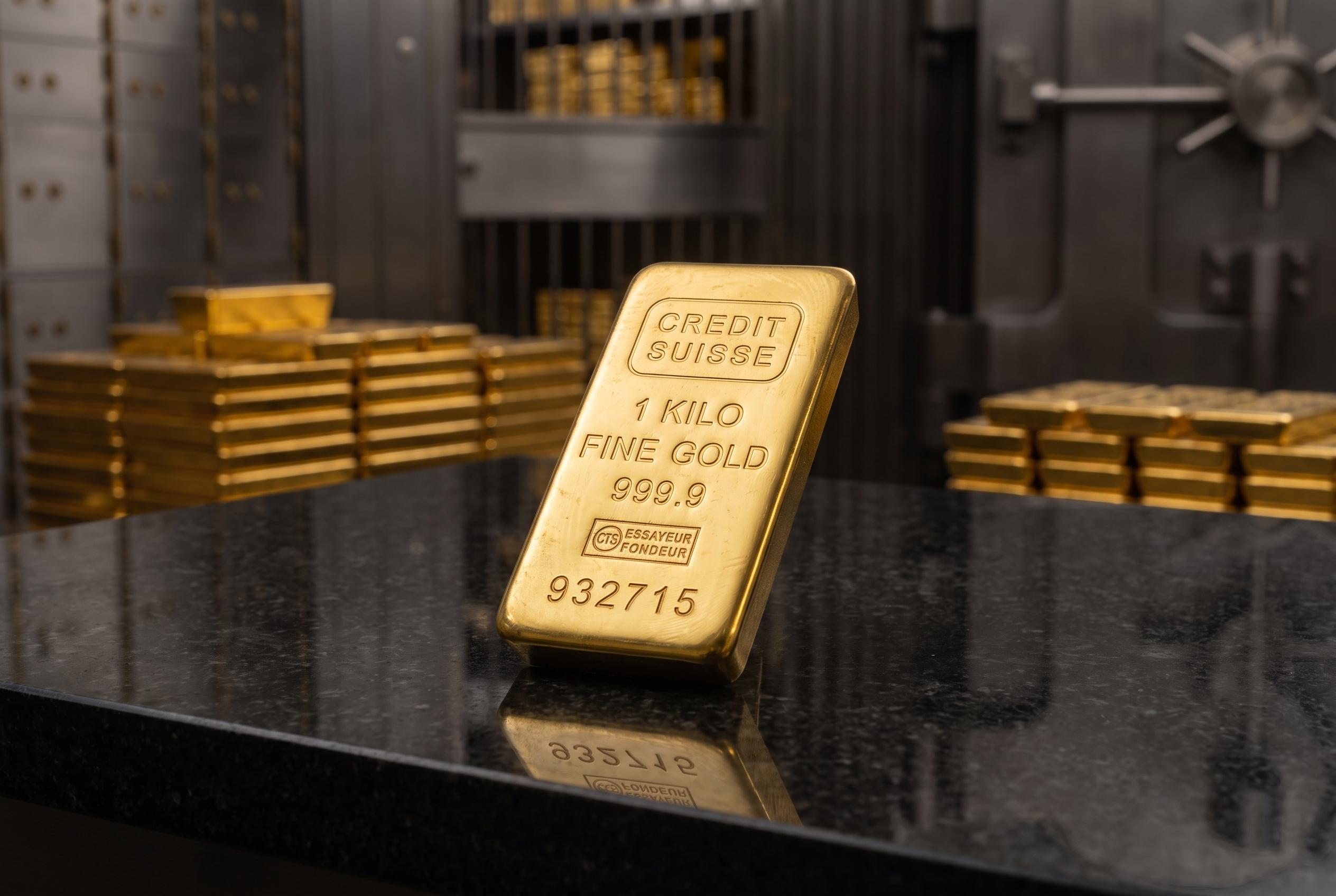

Gold continues its upward trajectory near record levels, fueled by optimism over Strait of Hormuz diplomacy, strong central bank demand, and resilient investment flows, amid a complex geopolitical and economic landscape.
Gold has continued to edge higher after a sharp one-day jump, with the metal hovering close to the $4,300 mark after a volatile week that has left it trading near record territory. The latest move has been unusual not just for its speed but for its catalyst: investors have been reacting to the possibility that tensions around the Strait of Hormuz may ease, even as the market still finds support from broader macroeconomic and institutional buying.
Reports cited by German and regional media suggest Iran and Oman are close to an understanding on reopening the waterway, through which a large share of global oil and liquefied gas shipments passes. The remaining sticking points include transit fees and vessel inspections, and US officials have not endorsed any tolls. Even so, the prospect of de-escalation has already taken some pressure off crude prices, while weaker US labour data and softer Treasury yields have helped gold by lowering the opportunity cost of holding a non-yielding asset.
What has made the rally more durable is the scale of official-sector demand. The World Gold Council said central banks added 244 tonnes to reserves in the first quarter of 2025, led by Poland and followed by China, which continued to expand its holdings. The council’s broader outlook says central bank buying is set to remain strong, extending a multi-year trend in which official institutions have steadily diversified away from dollars and Treasuries and towards bullion.
Investment flows have reinforced that pattern. The World Gold Council said exchange-traded funds backed by gold drew significant inflows in the second quarter of 2025, while buying of bars and coins remained firm in China and Europe. Deutsche Bank has argued that the metal’s pullback is likely complete and has projected a move towards $4,600 an ounce by the fourth quarter of 2026, pointing to resilient Asian buying and the persistence of reserve diversification among central banks.
That leaves gold at a delicate juncture. If diplomacy around Hormuz produces a lasting agreement, some of the geopolitical premium now embedded in energy markets could fade. But with official buying still elevated, ETF demand still positive and Chinese imports running strong, the metal appears to have more than one source of support. For now, the market’s direction depends as much on fragile negotiations as it does on the structural shift in global reserve management.
Disclaimer: This article is intended to inform and educate, not to recommend or endorse any financial product, investment or strategy. Please consider your own financial circumstances and seek professional advice where appropriate before making financial decisions.



