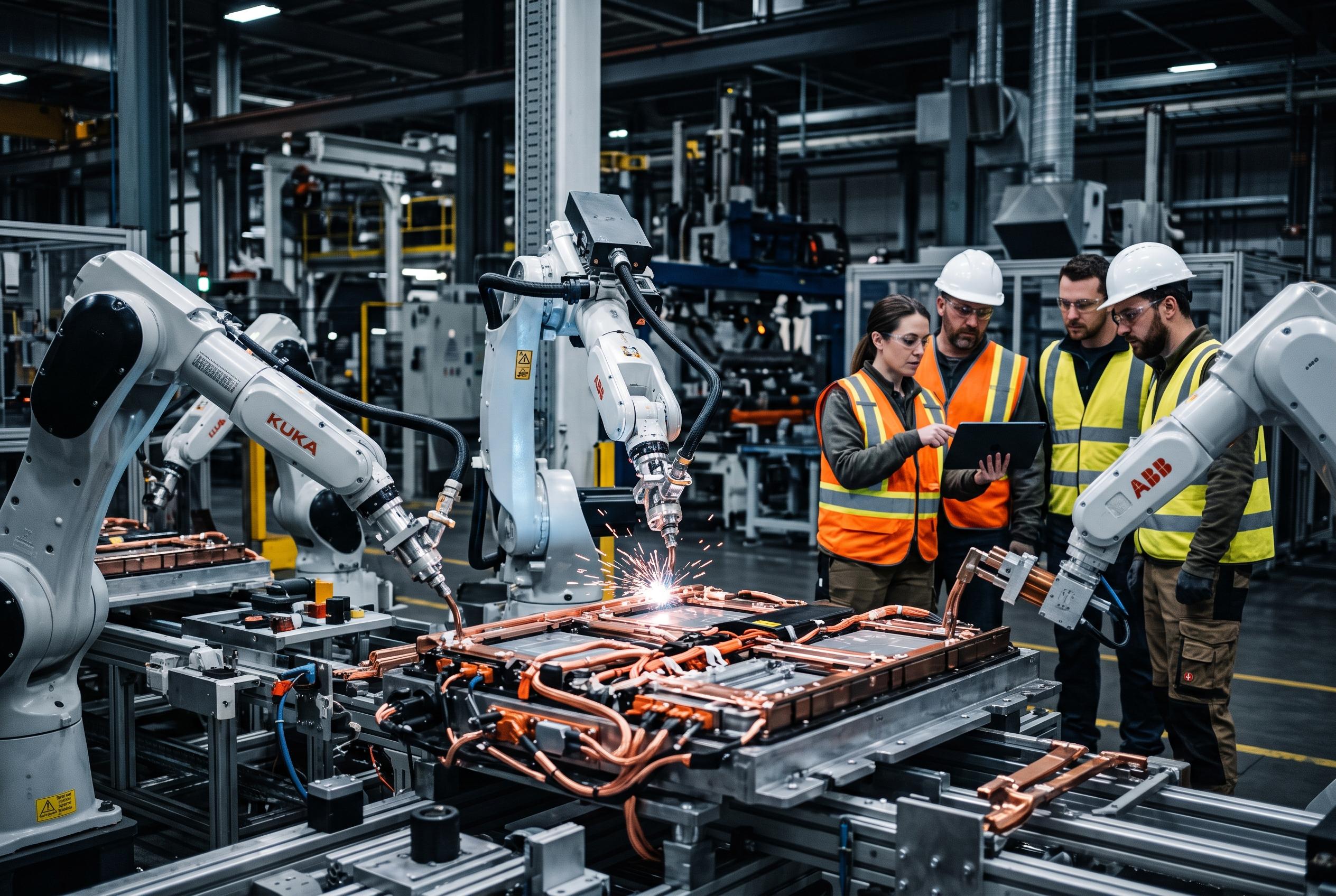

As copper prices reach new highs, vehicle, appliance, and electronics industries face rising input costs, prompting shifts in sourcing and design amid concerns over sustained demand.
Copper’s sharp rally is beginning to feed through to consumer prices in India, with vehicle makers, appliance companies and other manufacturers warning that higher input costs could soon force them to raise prices. The metal climbed above $14,000 a tonne after touching a record $14,858, and although it eased to $14,240 by the weekend, the jump has already sharpened concerns across sectors that rely heavily on it, according to The Hindu BusinessLine and market commentary from Axios.
The biggest pressure is likely to be felt in electric vehicles and electronics, where copper use is much higher than in conventional products. Industry estimates cited by BusinessLine suggest Maruti Suzuki faces an incremental monthly exposure of about ₹204 crore, Tata Motors around ₹171 crore and Mahindra & Mahindra roughly ₹110 crore, based on a benchmark of $9,500 a tonne. The report said the extra copper cost could add about ₹10,000-13,000 to an internal-combustion vehicle, more than ₹40,000 to some electric cars and as much as ₹1.52 lakh to an electric bus. AXIOS said market fears over possible US tariff changes, alongside rising demand from data centres and AI infrastructure, have helped push prices higher.
Manufacturers are already trying to adapt. Several companies quoted by BusinessLine said they are renegotiating contracts, tightening procurement and, where possible, shifting selected parts from copper to aluminium. Swelect Energy Systems said it had moved many components to aluminium, while appliance makers including SPPL and Haier Appliances India said they had already taken or planned price increases. Industry specialists interviewed by BusinessLine said copper is difficult to replace entirely in EVs and that sustained price gains will force companies to improve design efficiency, localise supply chains and pass on at least part of the burden.
The wider impact could spread beyond factories. BusinessLine said copper sulphate prices used in agriculture have jumped more than sixfold, while construction firms are seeing cost pressure through equipment such as transformers, chillers, lifts and motors. Broader industry research from VanEck, CME Group and S&P Global points to a structural shift in copper demand, driven by electrification, grid investment and AI-related data-centre build-outs, even as supply growth remains constrained. That combination suggests the current spike may be more than a short-term trade, and manufacturers may have to live with higher copper costs for longer than they would like.
Disclaimer: This article is intended to inform and educate, not to recommend or endorse any financial product, investment or strategy. Please consider your own financial circumstances and seek professional advice where appropriate before making financial decisions.