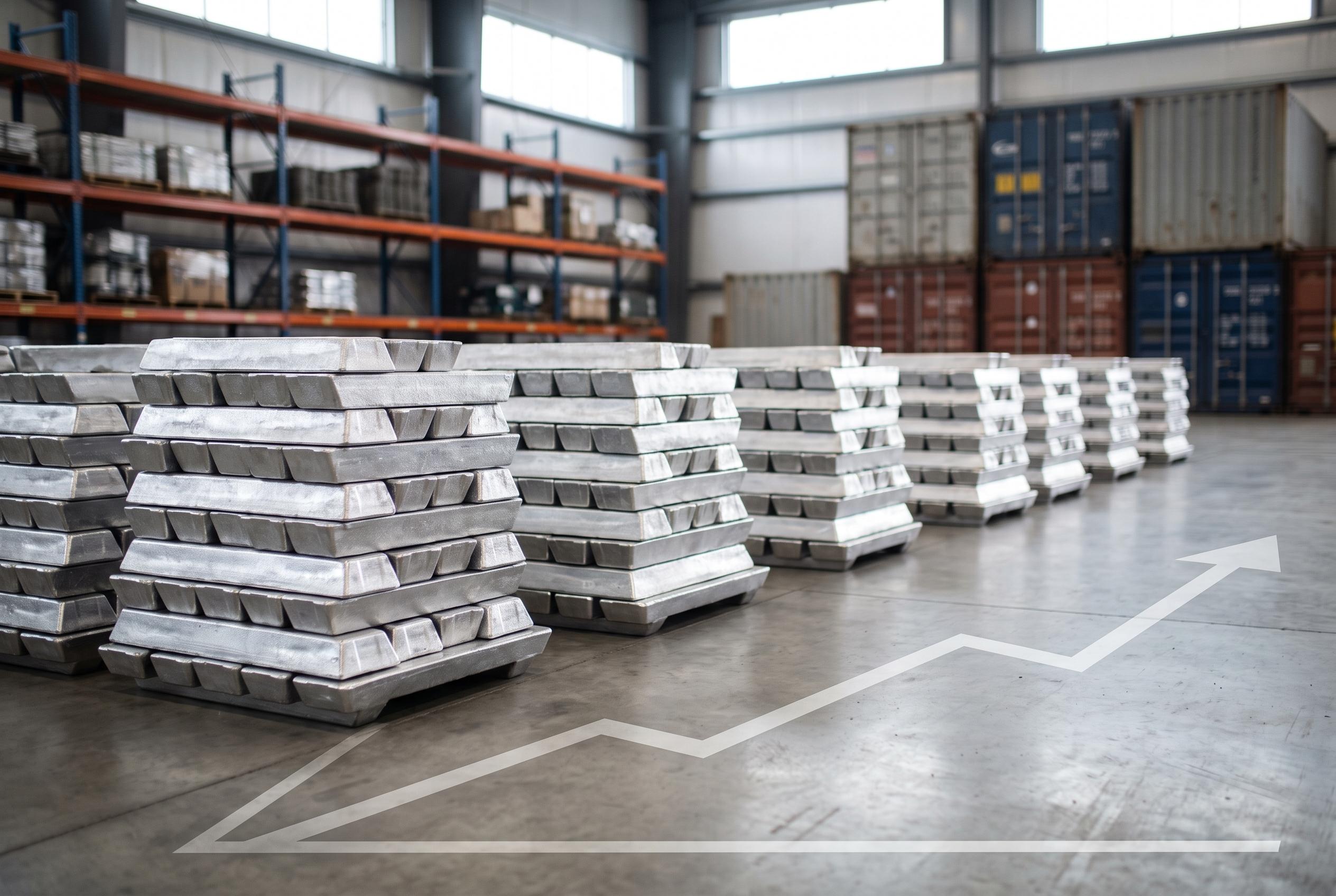

Aluminium prices experience a decline amid a faster-than-expected supply rebound in the Middle East, though markets remain tight with wider bullish prospects amid persistent premiums and potential substitution demand.
Aluminium eased on Tuesday as traders pared back some of the war-related supply premium that had lifted prices earlier this year, even though the market remains tighter than it was before the Middle East conflict. Emirates Global Aluminium said its Al Taweelah smelter is moving back towards full-scale operation, with Bernstein noting that faster-than-expected production recovery in the region has helped unwind part of the risk premium that built after shipping through the Strait of Hormuz was threatened. Bernstein kept its second-half 2026 aluminium price forecast at $3,100 a tonne, arguing that the market should stay in deficit this year and hold above the $3,000 level before normalising more gradually.
Still, analysts are not calling time on the broader bullish case. TD Securities said supply has recovered faster than expected in the Middle East, while weaker demand in construction and real estate, especially in China, is helping pull the market back towards balance. Even so, the bank expects aluminium to remain supported rather than collapse, with prices seen averaging $3,378 a tonne in 2026 and $3,281 in 2027. The wider market is also being shaped by new Chinese capacity, with Bernstein pointing to an additional 740,000 tonnes a year coming on line this year, even as manufacturing in Europe, Japan and the United States has steadied.
Physical indicators continue to suggest the market is not loose. LME aluminium inventories have fallen sharply in recent months, and Reuters reported that stocks dropped to 254,900 tonnes from 262,650 tonnes earlier this month, leaving a thinner buffer than at the end of March. European premiums have also remained elevated, even after easing from their peak, which suggests end-users are still paying up for nearby supply. At the same time, China’s exports of unwrought aluminium and semis rose sharply in July, which has helped offset some of the Middle East disruption, according to the market data cited in the reports.
The near-term outlook therefore looks balanced between recovering supply and stubbornly tight spot conditions. EGA has said it expects a return to pre-crisis shipment levels to depend on the Strait of Hormuz fully reopening, while some market observers see aluminium benefiting from substitute demand as manufacturers look for alternatives to costlier copper. That leaves prices vulnerable to further pullbacks if supply keeps normalising, but still underpinned by low inventories, firm physical premiums and the possibility that demand improves more quickly than some forecasts currently assume.
Disclaimer: This article is intended to inform and educate, not to recommend or endorse any financial product, investment or strategy. Please consider your own financial circumstances and seek professional advice where appropriate before making financial decisions.