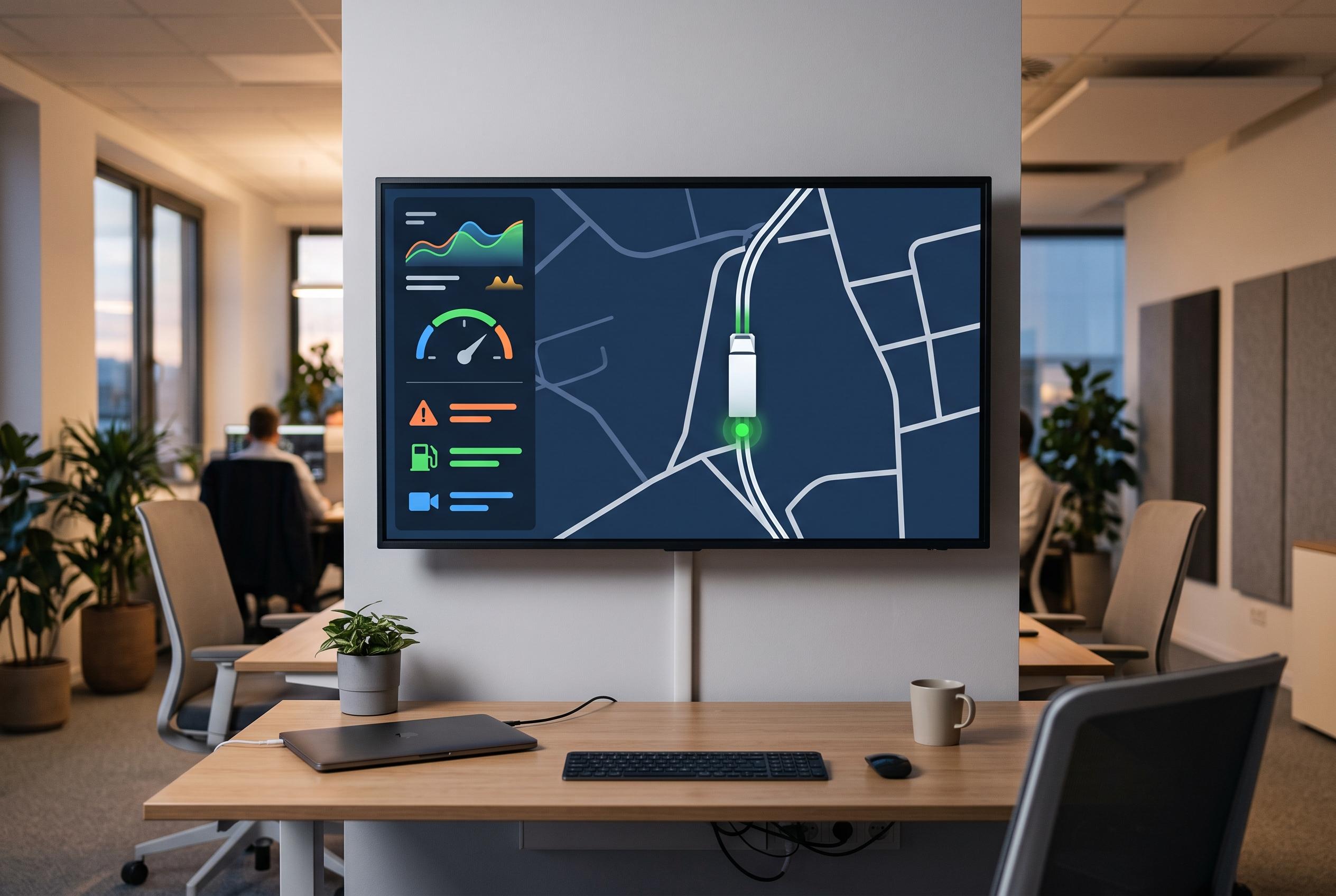

Advanced video telematics technology is transforming fleet safety and dispute resolution, enabling real-time evidence collection, rapid claims settlement, and cargo protection, shifting industry standards amidst rising high-value logistics demands.
A tanker arriving two hours late at a weighbridge should have been a routine exception. Instead, the shortfall on the delivery manifest triggered a familiar chain of accusations: route diversion, possible fuel siphoning and an insurer unwilling to pay a ₹47 lakh claim without hard proof. Fleetx says the dispute was resolved without court action because the fleet could quickly produce tagged video, GPS-linked timestamps and driver-facing camera footage that showed what had actually happened.
The episode reflects a wider problem for transport operators: many fleets can track vehicles, but still struggle to prove conduct. Across petroleum, FMCG, manufacturing and logistics operations, managers often face claims, theft allegations and safety disputes with little more than location breadcrumbs and handwritten logs. That gap matters because, according to Fleetx’s account, the technology’s real value is not recording footage after an event but making evidence searchable, time-stamped and tied to a specific driver and vehicle the moment something goes wrong.
The company describes its driver behaviour monitoring system as an AI-supported in-cabin camera and sensor set that can flag distraction, phone use, drowsiness, harsh braking and seatbelt violations in real time. Other telematics providers make similar claims. Pictor Telematics says its monitoring tools are built to identify harsh braking, speeding and rapid acceleration, while Exohive Digital says its system combines live in-cabin and external feeds with alerts for unsafe driving and driver non-compliance. Verizon Connect, meanwhile, has argued that video telematics can help fleets understand incidents, reduce accident costs and resist fraudulent claims.
Fleetx’s case study goes further by treating video as an evidence workflow rather than a simple recording device. The company says the disputed claim was settled in minutes because staff could search by vehicle and time window, match the clip against GPS data, and export a full evidence pack with location, driver identification and route history. That is the key distinction between a basic dashcam and a video telematics platform: one stores footage, while the other is designed to explain events in context and preserve the relevant clip before it is overwritten.
The same logic applies to cargo protection. Fleetx says a container-facing camera in another deployment detected suspicious movement near a cargo door while a truck was still in motion, prompting an alert before any loss occurred. The company argues that this sort of intervention is especially useful in sectors where theft, tampering and short-stop losses are hard to prove after the fact. In practice, the systems most fleets now consider include live streaming, cloud storage, event tagging, parking-mode recording, ADAS alerts and multi-camera coverage, with some suppliers also offering route history and driver scorecards.
Industry guidance broadly supports that direction. Pictor Telematics says better monitoring can improve safety compliance and fleet coaching, while other providers highlight exoneration from false claims and faster incident review. Fleetx says its own deployments have reduced accidents, cut repeat violations and shortened review time, although those figures come from the company’s live operations rather than an independent benchmark. The broader takeaway is more modest but more important: for fleets moving high-value goods, the difference between a dispute that drags on and one that ends quickly may come down to whether the evidence was captured, tagged and retrievable before the argument began.
Disclaimer: This article is intended to inform and educate, not to recommend or endorse any financial product, investment or strategy. Please consider your own financial circumstances and seek professional advice where appropriate before making financial decisions.