

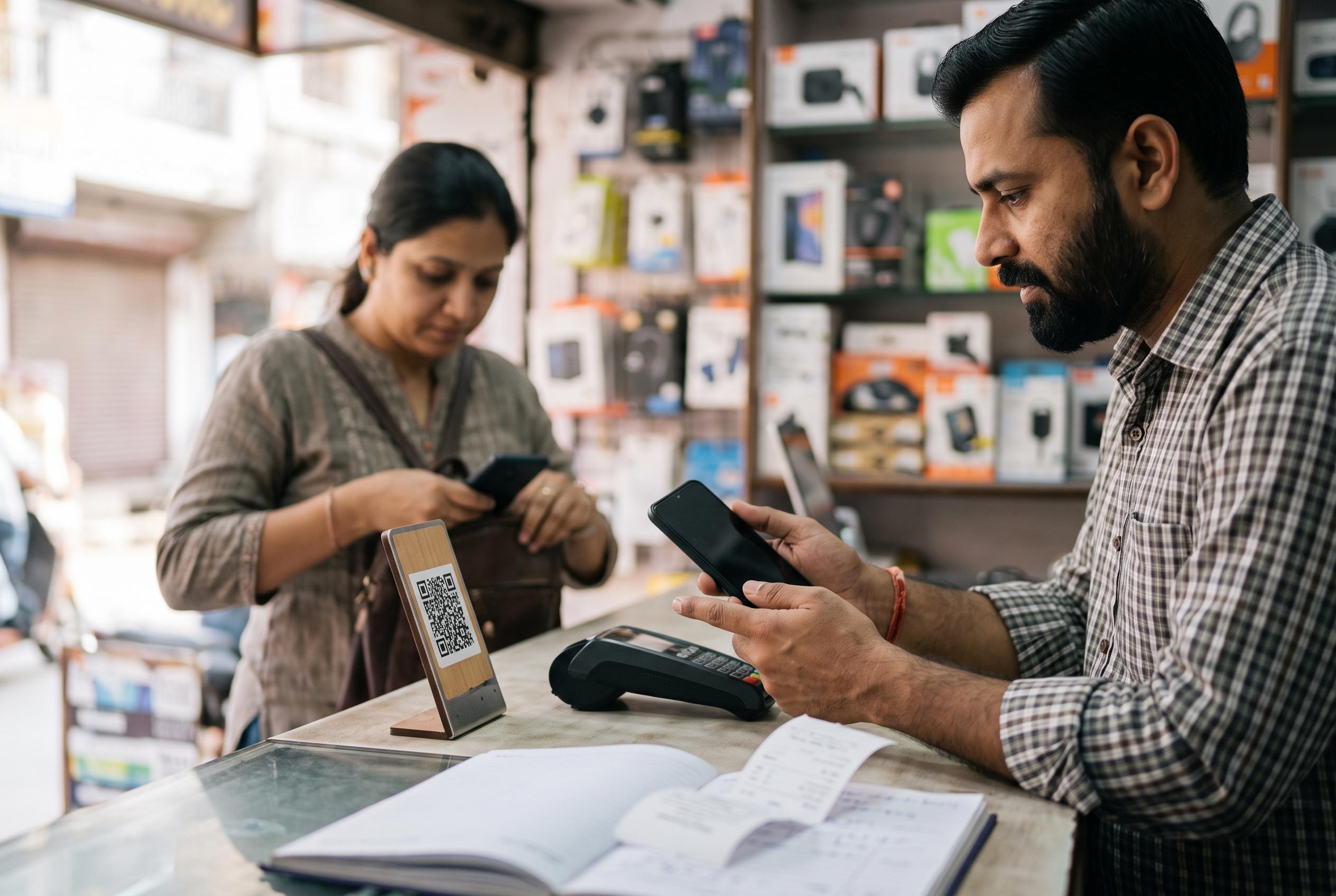

Razorpay-backed consumer platform POP introduces POPchop, a buy-now-pay-later feature, marking a strategic move into lending to boost monetisation from its UPI user base amid rising competition in India’s real-time payments ecosystem.
Razorpay-backed consumer fintech platform POP is moving deeper into lending as it looks to make more from its Unified Payments Interface, or UPI, users. The company has introduced POPchop, a buy-now-pay-later product that lets eligible shoppers split purchases made on its POPShop platform into three equal, interest-free instalments over three months.
The launch marks a broader shift for POP, which has so far focused on payments, rewards and commerce. Like several other consumer fintech firms, it is trying to turn heavy transaction activity on UPI into a business that can generate more than just payment volume. Industry moves in recent months suggest that credit, wealth and shopping services are becoming the most common routes to monetisation for apps built around India’s real-time payments network.
Razorpay itself has been active in this space before. The company previously partnered with Snapmint to add a buy-now-pay-later option to its checkout flow, underlining how lenders and payment firms are increasingly packaging short-term credit as a way to lift conversion and average order values. At the same time, other fintechs are pushing ahead with credit on UPI in different forms: Kiwi has launched a credit line product with Yes Bank, while BharatPe has rolled out a pay-later offering with the same lender. PhonePe, meanwhile, has been expanding across lending, insurance and wealth management as it seeks to broaden its revenue base beyond payments.
For POP, the opportunity is straightforward: UPI can bring scale, but it does not automatically bring profits for third-party apps. By adding a credit layer, the company is betting that a portion of its user base will be willing to borrow for small purchases, creating a fresh income stream and giving shoppers a reason to keep using the platform.
Disclaimer: This article is intended to inform and educate, not to recommend or endorse any financial product, investment or strategy. Please consider your own financial circumstances and seek professional advice where appropriate before making financial decisions.



